
 Ferry Irwandi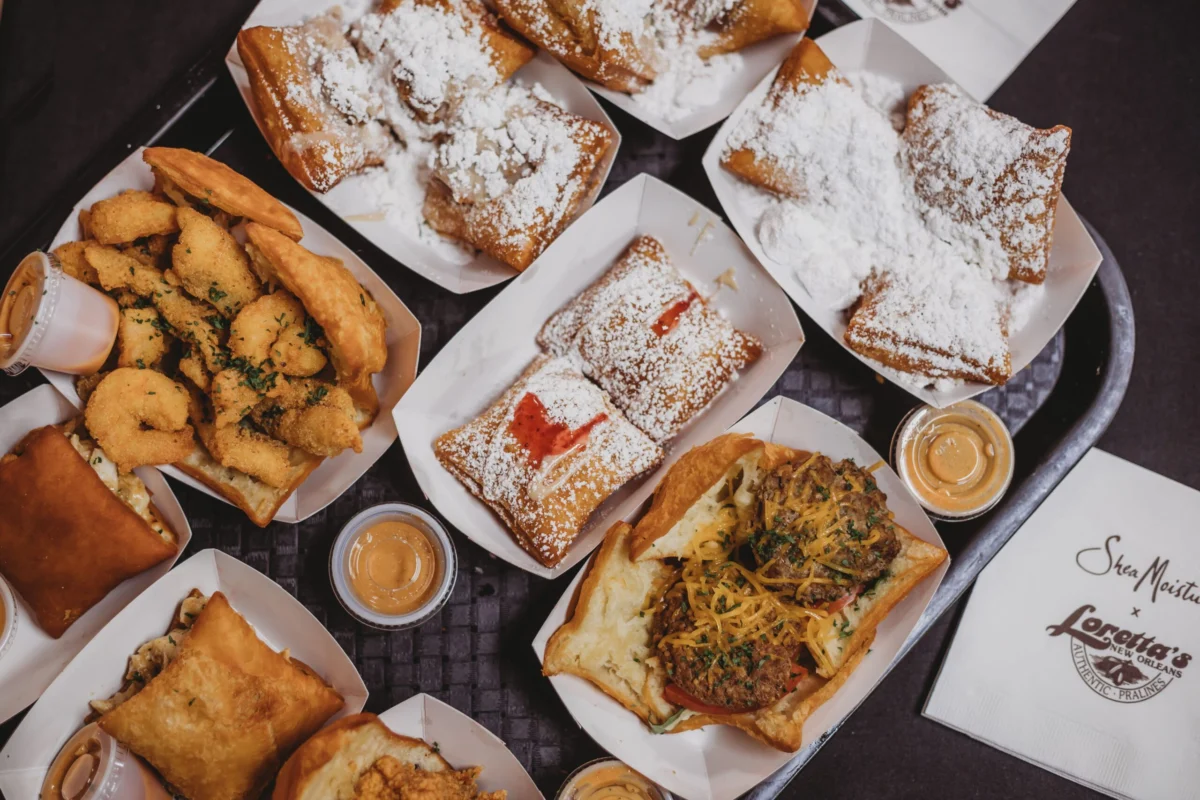
New Orleans remains globally renowned for its vibrant culinary landscape, where French, Spanish, African, and Caribbean influences converge. Among the city’s most iconic culinary staples is the beignet (pronounced ben-YAY), a deeply entrenched symbol of Louisiana’s gastronomic heritage. As one of two designated state donuts—sharing the distinction with the Boston cream—the beignet is far more than a simple pastry; it is a cultural touchstone that draws millions of tourists and local enthusiasts alike to the historic streets of the Crescent City every year.
Etymologists trace the word beignet back to the Old French term buigne, meaning lump, an apt description of how the raw dough expands and contorts when submerged in boiling oil. While the culinary traditions of various cultures feature fried dough variants due to the universal accessibility of basic ingredients—butter, eggs, milk, sugar, flour, and salt—Louisiana adapted the concept to forge a distinct regional identity. Unlike the original French choux pastry method, which relies on steam to hollow out the interior, Louisiana-style beignets utilize a leavened yeast dough. This chemical transformation produces hand-sized, rectangular pillows of fried dough that achieve an optimal balance between an airy, tender interior and a crisp, golden-brown exterior. Traditionally served piping hot, they are universally crowned with a heavy snowfall of powdered sugar, a characteristic messy luxury that practically demands deliberate wardrobe choices from diners.
Historical Evolution of the Beignet Trade
The commercial history of the New Orleans beignet is inextricably linked to the development of the city’s historic French Quarter. Long before the era of modern food tourism, open-air markets and coffee stands served as the social hubs of the city.
In 1862, amidst the disruptions of the American Civil War, a humble coffee stand was established near the Mississippi River. This enterprise would eventually evolve into Café du Monde, an institution that has operated continuously for over 160 years. Operating out of the French Market, Café du Monde established a standardized blueprint for the beignet experience: chicory-infused café au lait paired with freshly fried squares of dough, served 24 hours a day, nearly every day of the year.
By 1870, the market’s appetite for fried dough fostered competition. The Morning Call Coffee Stand opened its doors as a direct rival, eventually cementing a duopoly over the traditional beignet trade that lasted for generations. For well over a century, the culinary formula remained largely static, preserving a nineteenth-century ritual for twentieth-century travelers.
However, the turn of the twenty-first century introduced a wave of culinary innovation across New Orleans. As the city’s broader restaurant scene experienced a renaissance following major demographic and economic shifts, contemporary chefs began reimagining the traditional beignet. While purists continue to advocate for the classic yeast-raised rectangle dusted exclusively with confectioner’s sugar, the modern landscape embraces a spectrum of culinary interpretations. Today’s menus feature innovations such as savory cheese and herb-infused doughs, fruit-stuffed variants, complex glazes, and even gourmet interpretations topped with locally sourced seafood or artisanal bacon.
Economic and Tourism Impact
The cultural longevity of the beignet translates directly into significant economic output for the city of New Orleans. Tourism data from the New Orleans Convention and Visitors Bureau indicates that culinary tourism serves as a primary driver for the regional economy, contributing billions of dollars annually. Within this ecosystem, iconic food items act as anchor attractions.
Long queues winding down Decatur Street toward Café du Monde are a permanent fixture of the French Quarter’s urban landscape. Industry analysts note that heritage foods provide a high return on investment for the local hospitality sector, generating sustained employment across agriculture, dairy production, milling, and service industries. Furthermore, the cultural footprint of the beignet extends far beyond Louisiana’s borders. National shipping programs established by major beignet vendors allow consumers across the United States to purchase dry mix formulations, generating secondary revenue streams and maintaining brand loyalty long after tourists return home.
Sociocultural Significance and Culinary Analysis
Food historians often analyze the beignet as a physical manifestation of New Orleans’ complex multicultural history. The adaptation from European choux pastry to a local yeast dough reflects the resourcefulness of early Louisiana cooks who modified imported techniques to utilize available regional staples.
Culinary experts point out that the simplicity of the beignet’s base recipe is precisely what allows for such extensive culinary experimentation without losing its core identity. Food scientists explain that the physical mechanics of frying leavened dough require precise oil temperature control—typically maintained between 370°F and 380°F—to achieve the signature rapid expansion of carbon dioxide pockets produced by yeast fermentation. If the oil is too cool, the dough absorbs excess fat, becoming heavy and greasy; if too hot, the exterior burns before the interior can fully cook. The enduring popularity of legacy establishments relies heavily on mastering this precise thermodynamic balance.
Official Perspectives and Industry Response
Local tourism officials and hospitality groups frequently emphasize the importance of preserving traditional culinary methods while simultaneously welcoming modern gastronomy. Representatives from the Louisiana Restaurant Association note that the coexistence of historic institutions like Café du Monde and Morning Call alongside contemporary pastry shops demonstrates the healthy evolution of the local food economy.
"New Orleans is a city that honors its past while eagerly embracing the future," stated a regional hospitality spokesperson during a recent culinary symposium. "The beignet is a canvas. Whether a visitor wants the exact experience their great-grandparents had in 1860, or a modern chef’s reimagined savory creation topped with local crawfish cream, the dish remains a testament to our city’s boundless creativity."
Navigating the Local Beignet Scene
For travelers and locals seeking out the best fried dough in the city, navigating the myriad options requires strategic planning. While legendary institutions in the French Quarter continue to draw massive crowds—particularly during peak tourism seasons, festivals, and late-night weekend hours—neighborhood spots across Faubourg Marigny, Mid-City, and Uptown offer unique takes on the delicacy.
Experts advise visitors to prioritize freshness above all else; a beignet’s structural integrity and textural contrast degrade rapidly as it cools. Consequently, establishments that guarantee made-to-order preparation consistently rank highest among local critics. Whether paired with a traditional café au lait, a robust chicory coffee, or a celebratory brandy milk punch, the New Orleans beignet remains an essential culinary experience, bridging centuries of history with the ongoing evolution of American cuisine.









