Layla Zulfa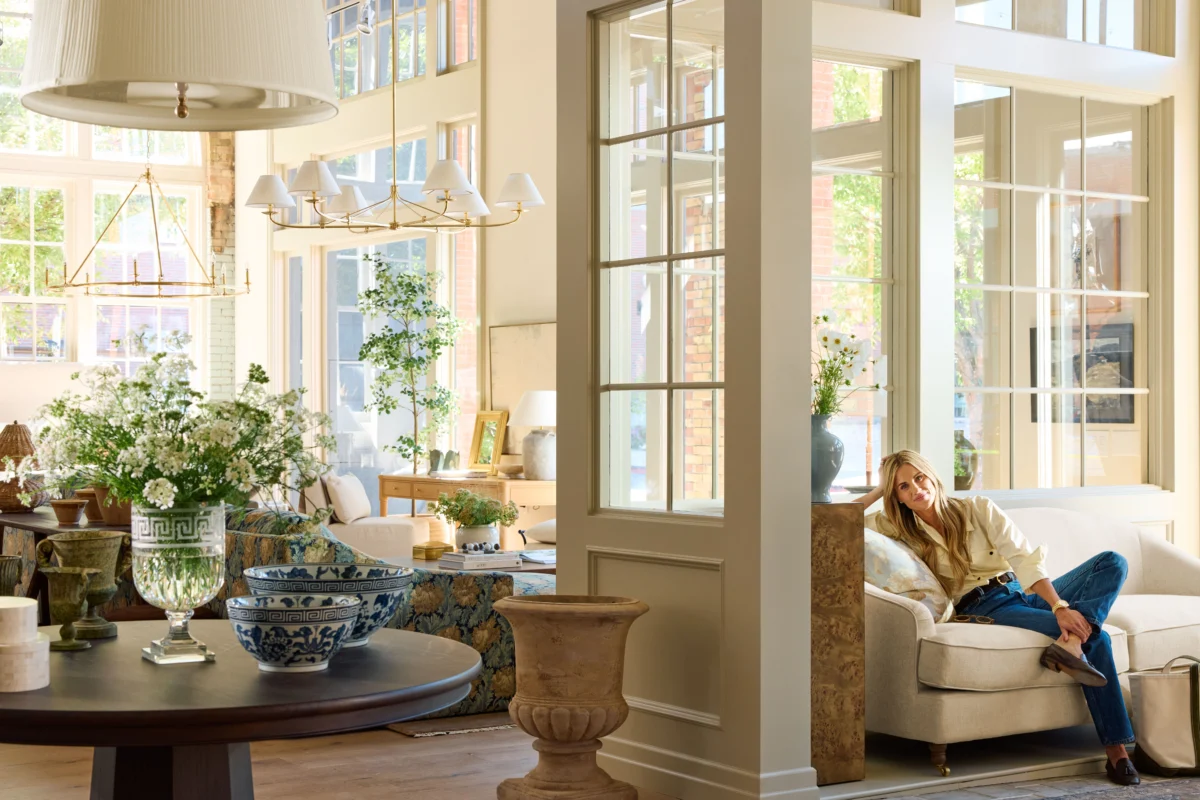
Three days before the scheduled debut of the McGee & Co. flagship retail space in Salt Lake City, the 7,500-square-foot facility stands as a testament to the meticulous standards of its founders, Shea and Syd McGee. Located in the historic Trolley Square, the shop represents a significant shift for the design powerhouse, moving from a purely digital-first retail model to a tangible, physical environment. This transition marks what the founders describe as "McGee 3.0," a strategic move to foster deeper community engagement and provide a sensory experience that online catalogs cannot replicate.

The space, which formerly housed a Hard Rock Cafe and a comedy club, underwent an extensive two-year renovation. The architectural transformation was designed to align with the "gentle transitional" aesthetic that has become the hallmark of the Studio McGee brand. By stripping away years of commercial modifications and restoring the building’s original structural integrity—including its soaring ceilings and expansive windows—the design team has created a light-filled, residential-style showroom that feels less like a traditional retail store and more like a curated home.
A Chronology of Growth: From Instagram to Industry Leader
The rise of Studio McGee is a case study in the power of social media-driven entrepreneurship. The brand’s journey began in the mid-2010s, primarily through Shea McGee’s documentation of personal home renovations on Instagram. This initial phase, dubbed "McGee 1.0," attracted a dedicated following, allowing the couple to launch their design firm and eventually transition into e-commerce.

The subsequent phase, "McGee 2.0," saw the brand scale rapidly. This period was characterized by the launch of a hit Netflix series, Dream Home Makeover, the publication of three interior design books, and the establishment of high-profile licensing partnerships with industry giants such as Target, Kohler, and Ann Sacks. These collaborations, particularly the "Threshold designed with Studio McGee" line at Target, brought the brand’s accessible, elevated aesthetic to a mass-market audience, cementing its status as a household name in home decor.
Today, the firm’s digital reach is substantial. The primary @studiomcgee Instagram account boasts approximately four million followers, while the @mcgeeandco retail account approaches two million. Their YouTube channel remains a critical pillar of their content strategy, consistently drawing hundreds of thousands of views per video, which helps bridge the gap between high-end design services and attainable DIY inspiration.

The Retail Strategy: Blending Boutique and Big-Box
The decision to open a physical flagship was not an overnight development. The McGees had long considered a brick-and-mortar presence, having tested the waters with a modest 600-square-foot pop-up in Costa Mesa, California, in the late 2010s. While successful in terms of brand awareness, the limited footprint proved insufficient to support their growing furniture inventory. Plans for a more substantial retail space were effectively paused during the onset of the COVID-19 pandemic, as the company pivoted to meet the surge in demand for home-focused e-commerce.
The choice of Salt Lake City for the flagship is deliberate. Beyond being the home base of the couple’s operations, the Trolley Square location offers proximity to existing partners, such as the nearby Kohler showroom. The new space is designed to serve as an "experience center." Instead of rows of merchandise, the store is organized into layered, room-by-room vignettes. Customers can browse large-scale furniture, such as the Octavia sectional, alongside smaller, curated goods from brands like Match and Caroline Francis.

This hybrid approach—positioning the store somewhere between a boutique and a big-box retailer—is designed to capture a broad customer base. Syd McGee, in reflecting on their retail philosophy, has cited the success of brands like Buck Mason for their focus on attainable quality, high-energy merchandising, and a service-oriented staff. The store is intended to function as an extension of the studio’s design services, offering free, in-person consultations to help customers navigate the vast array of available products.
Operational Challenges and Scaling a Personality-Led Brand
A significant challenge for any personality-led business is the maintenance of brand consistency as it scales. Because the Studio McGee brand is inextricably linked to Shea and Syd’s public identities, the physical store must mirror their personal standards. To ensure this, Shea McGee has invested heavily in human capital, developing a comprehensive training manual that outlines everything from the precise spacing of a rug to the preferred methods for layering bedding.

The importance of this training cannot be overstated, as every employee in the store acts as a representative of the founders. The goal is to ensure that a customer in Salt Lake City receives the same level of care and aesthetic guidance they would expect from a digital interaction with the brand. This focus on "intimacy at scale" will be the defining metric for the company as it moves forward. The McGees have already begun scouting locations for future expansion, with plans to open three to six additional retail sites over the next 24 months.
Economic and Industry Implications
The opening of the McGee & Co. flagship arrives at a time when many traditional retailers are struggling to reconcile their physical presence with digital demand. By prioritizing a showroom-first model—where the goal is as much about inspiration and education as it is about transactional sales—the McGees are tapping into the "retail-as-entertainment" trend.

Industry analysts note that for home decor brands, the ability to physically touch products is a key differentiator that reduces return rates and increases average order value. For Studio McGee, the store serves as a tangible validation of their design principles. By providing customers with a space to experience the "McGee look" in three dimensions, the firm is likely to see an increase in brand loyalty and a higher conversion rate for their higher-ticket furniture items.
Furthermore, the integration of a "working kitchen" within the store, designed for cooking demos and community events, signals a desire to turn the shop into a local hub. This moves the brand beyond a simple retailer and into the realm of a lifestyle curator, a move that is increasingly popular among successful direct-to-consumer (DTC) brands looking to solidify their market share.

Looking Toward the Future: The Vision for 3.0
As the company prepares for the official September 25 launch, the mood on the shop floor remains focused and disciplined. Despite the anticipation and the regular arrival of curious passersby testing the doors, the team remains committed to the "soft opening" phase as a dress rehearsal.
For the McGees, this expansion is not merely about physical square footage; it is about proving that their design philosophy can survive and thrive outside of the digital bubble. "We’ve been running a product business for years, and now it’s time to create the experience," Shea remarked.

The success of the Salt Lake City flagship will undoubtedly serve as the blueprint for the company’s future retail trajectory. If the brand can successfully translate its online popularity into physical foot traffic while maintaining the high standards that characterized its rise, the transition to "McGee 3.0" could signal a new chapter in the brand’s influence on the American interior design landscape. The ability to maintain that "personal feeling" while scaling nationwide will be the ultimate test of their business model, but for now, the focus remains on the details: the fluffed pillows, the perfectly placed anemones, and the realization of a vision that began as a simple renovation project on a personal social media account.