Ronny Sianturi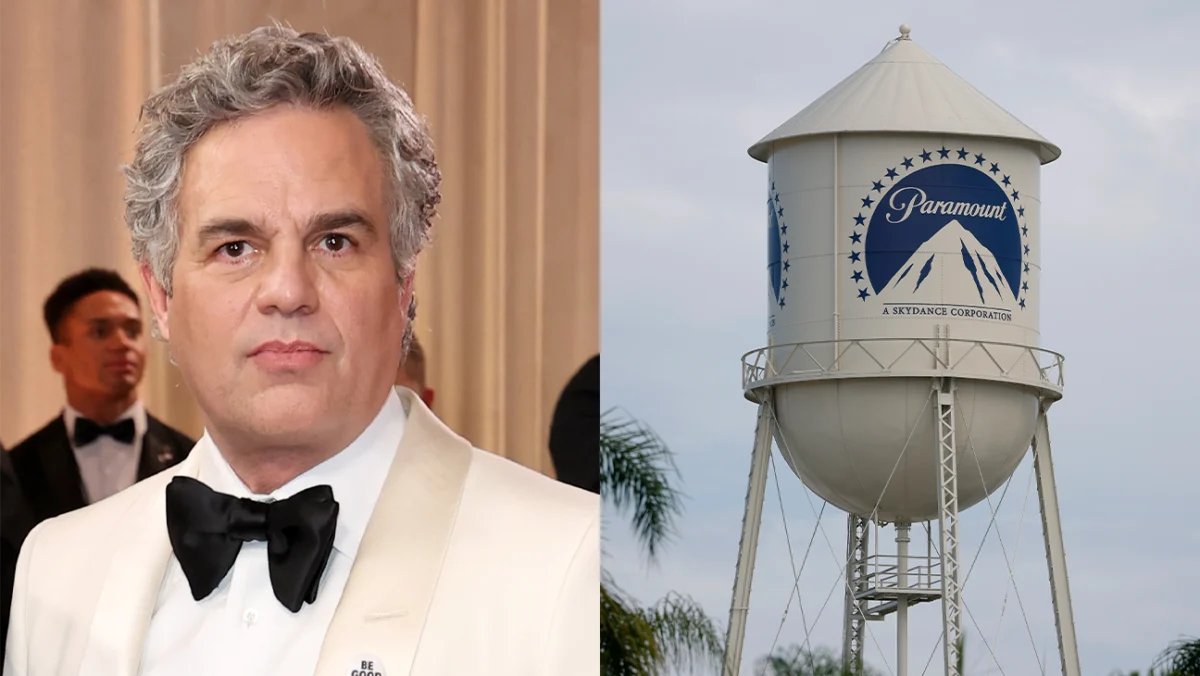
As regulatory pressure mounts over one of the most contentious media consolidations in recent history, actor Mark Ruffalo has publicly demanded that California Attorney General Rob Bonta reject any potential settlement regarding Paramount’s proposed acquisition of Warner Bros. Discovery. Amid reports that Paramount and state antitrust regulators are engaged in advanced negotiations to resolve a multi-state lawsuit, Ruffalo’s impassioned plea underscores the deep industry divisions and public scrutiny surrounding the mega-merger.
The controversy stems from a July antitrust lawsuit filed by a coalition of 12 state attorneys general, spearheaded by California, which aims to permanently block the combination of two of Hollywood’s traditional "Big Five" major studios. Ruffalo, a vocal critic of the corporate consolidation, took to social media to caution Bonta against conceding to the corporate entity, amplifying a grassroots campaign backed by thousands of industry professionals.
The unfolding legal and political drama highlights broader concerns over market competition, labor impacts, corporate accountability, and the future economic viability of the broader entertainment ecosystem.
Main Facts and the Current Settlement Talks
According to recent reporting by The Wall Street Journal, Paramount and the state attorneys general are closing in on an agreement that could potentially settle the high-stakes antitrust litigation. The exact terms of the rumored settlement remain undisclosed, but the prospect of a negotiated resolution has sparked immediate pushback from labor advocates, creative guilds, and prominent artists.
In response to the settlement reports, Ruffalo issued a direct warning on X (formerly Twitter) to California AG Rob Bonta. "Don’t you dare @AGRobBonta, do not cave," Ruffalo wrote. He noted the scale of opposition, citing 5,670 filmmakers who have opposed the merger alongside a public petition that has garnered upwards of 75,000 signatures in just three weeks. "You work for the people — the very people who will be hurt if you let this lousy deal filled with empty promises go forward."
Ruffalo’s active opposition is not isolated. The actor has consistently leveraged his platform to campaign against the transaction, testifying against the merger during a U.S. Senate hearing and co-signing a high-profile open letter alongside numerous Hollywood stars who fear the acquisition will devastate industry employment and creative diversity.
Chronology of the Antitrust Litigation
The legal battle to halt the Paramount and Warner Bros. Discovery merger has progressed rapidly through federal courts and state regulatory channels since the deal was initially announced.
- July 13: A coalition of 12 state attorneys general filed an antitrust lawsuit in federal court. The legal action asserts that combining Paramount and Warner Bros. Discovery will stifle competition, lead to inflated consumer pricing, reduce the overall volume of theatrical releases, and compromise the variety and quality of cinematic and television content. At a joint press conference, California AG Rob Bonta stated, "There is no debate here: This merger will snuff out competition, drive up prices, diminish content quality, and produce fewer movies and shows each year."
- July 20: U.S. District Judge Araceli Martínez-Olguín issued a temporary restraining order, placing an immediate legal pause on the merger while the courts evaluated the merits of the states’ antitrust claims.
- July 23: Judge Martínez-Olguín formally extended the temporary restraining order, maintaining the freeze on corporate integration.
- July 24: Facing mounting judicial scrutiny and the likelihood of a protracted legal battle, Paramount voluntarily agreed to halt the acquisition entirely until the federal court reaches a definitive decision on whether the transaction violates federal and state antitrust statutes.
- Late November/Early December: Reports surfaced indicating that settlement discussions between Paramount and the state attorneys general had reached an advanced stage, prompting renewed public outcry from industry critics like Ruffalo.
Supporting Data and Industry Concerns
The central argument of the antitrust lawsuit rests on fundamental economic principles regarding market concentration. Historically, the Hollywood studio system has relied on a competitive balance among major production houses to drive innovation, fair compensation for creative talent, and a steady supply of diverse content for consumers and exhibitors.
State regulators and industry analysts have pointed to several key concerns regarding the consolidation:
- Theatrical Output Reduction: Economic models submitted by anti-merger coalitions suggest that corporate integration invariably leads to cost-cutting measures, which in the film industry typically manifest as a reduction in greenlit theatrical features.
- Exhibitor Pressures: Movie theater owners have expressed anxiety that a merged Paramount and Warner Bros. Discovery would hold disproportionate leverage in setting box office revenue splits and dictating distribution terms, threatening the viability of independent and mid-tier cinemas.
- Labor and Employment Impacts: Guilds and labor organizations representing writers, actors, directors, and below-the-line crew members worry that corporate streamlining will eliminate thousands of jobs, reduce negotiating leverage, and compress compensation standards across the board.
Official Responses and Corporate Retaliation
The public debate surrounding the merger has occasionally crossed into contentious corporate and political territory, most notably involving personal clashes between critics and representatives of the corporate entities backing the acquisition.
Earlier in the legislative and public relations campaign, Mark Ruffalo used his social media channels to spotlight the corporate ties associated with the merger’s financial backers. Specifically, Ruffalo targeted Oracle—founded by Larry Ellison, the father of media executive David Ellison—drawing attention to the tech company’s military technology contracts and its historical relationship with the Israeli military effort in Gaza. Ruffalo’s commentary referenced statements made by former Oracle executive Safra Catz regarding advanced technologies deployed in conflict zones, characterizing the broader geopolitical situation in highly critical terms.
Paramount representatives swiftly and sharply condemned Ruffalo’s statements, issuing an official corporate response that categorized the actor’s remarks as antisemitic.
"We are, as always, troubled when antisemitic tropes are invoked in purported service of a business dispute," the Paramount spokesperson stated. "Words like ‘genocide’ and ‘apartheid,’ applied to a corporate transaction, aren’t just wrong — they’re a bridge too far, and they cheapen the very real suffering those words are meant to describe. This doesn’t deserve a response in kind — and to be clear, we don’t tolerate prejudice of any kind, against anyone."
Ruffalo strongly refuted the accusation, calling the corporate statement baseless and defamatory. In a follow-up post on X, the actor wrote, "The accusation that I am antisemitic is appalling and fundamentally dishonest." The exchange underscored the high-stakes, emotionally charged nature of the merger debate, where corporate public relations strategies have increasingly intersected with broader global political discourse.
Broader Impact and Implications
As Attorney General Rob Bonta and his state-level counterparts weigh the terms of any potential settlement with Paramount, the final outcome of these negotiations will carry profound implications for American media and antitrust enforcement.
If the state attorneys general opt to settle rather than proceed to a full trial, it could establish a legal precedent for how mega-mergers in the digital and entertainment sectors are managed under current regulatory frameworks. Critics fear that a settlement could include structural remedies or behavioral conditions that fail to protect market competition or labor interests, effectively allowing corporate concentration to proceed with nominal oversight. Conversely, a refusal to settle would likely force the litigation back into federal court, setting the stage for a landmark antitrust trial that would scrutinize the inner workings of modern studio economics.
For creative professionals, labor unions, and consumers alike, the immediate future of Hollywood’s studio landscape hangs in the balance. As public pressure campaigns continue to mobilize tens of thousands of signatures, the ultimate decision rests in the hands of state regulators navigating the intersection of corporate power, public interest, and federal antitrust law.