Kang Muslim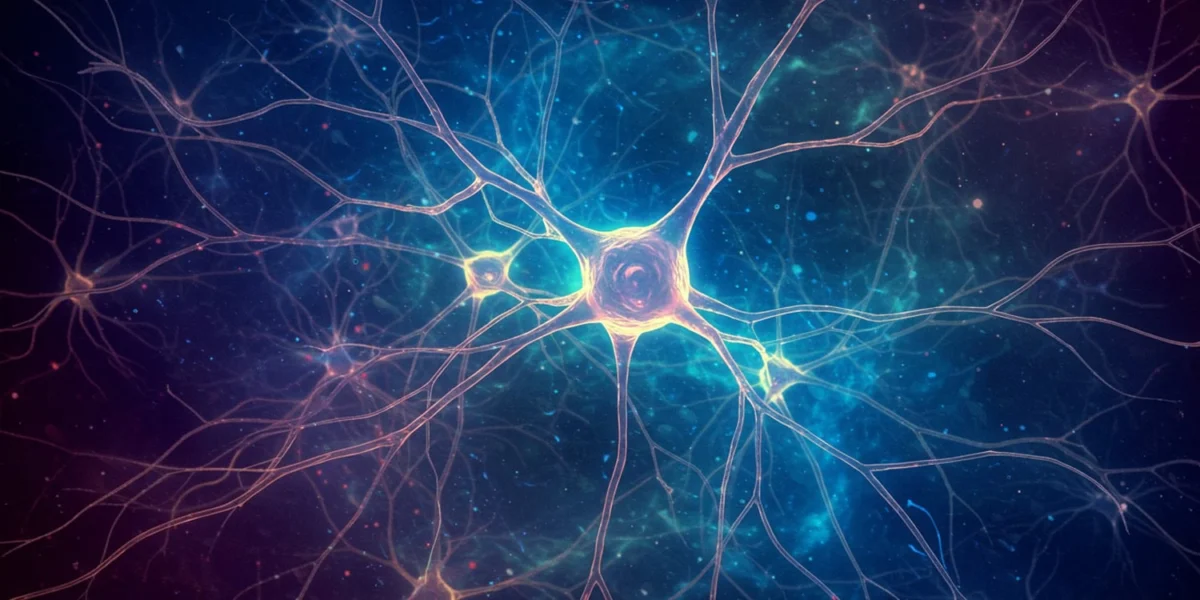
The human brain possesses an extraordinary, almost magical capacity to transport a person across decades in a single breath. A whiff of baking bread, a specific floral perfume, or the sharp tang of old-fashioned cedar can instantly summon memories of childhood with a vivid emotional resonance that visual or auditory cues rarely match. For decades, neuroscientists and psychologists have noted that autobiographical memories triggered by odors tend to originate earlier in life and carry a distinctively positive valence compared to memories sparked by other senses. Now, a groundbreaking new study published in the scientific journal PLOS Biology sheds profound light on this phenomenon, revealing the exact neural circuitry responsible for anchoring the scents of childhood happiness within the brain.
Led by Jules Dejou and a team of researchers including Anna Athanassi, Théo Brunel, Marc Thevenet, Anne Didier, and Nathalie Mandairon, the research combines large-scale human survey data with sophisticated mammalian models. Their findings demonstrate that neurons developing around the time of birth in a specific brain region—the olfactory bulb granule-cell layer—serve as the biological repository for positive early-life scent memories. Accompanied by a complementary primer authored by Chloé Guillaume and Elisa Galliano, the study bridges the gap between human emotional experience and cellular neurobiology, offering a comprehensive look at how early sensory environments shape our lifelong emotional landscapes.
Main Facts of the Discovery and Human Survey Insights
To understand the real-world foundation of olfactory nostalgia, the research team initiated their investigation with a broad human survey encompassing 647 participants. The objective was to map out the nature of childhood scent memories, determining how far back they reach, how frequently they are reinforced, and the specific emotional profiles attached to them.
Participants were asked to recall a distinct odorant from their childhood, tracing their memories back as far chronologically as possible. They were then required to evaluate the pleasantness of the scent and indicate the presence of six basic human emotions: happiness, surprise, fear, disgust, sadness, and anger.
The survey results painted a remarkably consistent picture of human olfactory memory. Ratings were overwhelmingly highest for positive emotions—predominantly happiness and general pleasantness—closely followed by surprise. Conversely, negative emotions received significantly lower evaluations. Furthermore, when participants were asked about the frequency of the events that generated these early scent memories, 73 percent reported that the triggering event had occurred more than five times. This repeated exposure within a consistent emotional context points to the necessity of reinforcement in establishing enduring autobiographical markers.
When analyzing the hedonic value—the inherent degree of pleasantness or unpleasantness—associated with these childhood scents, participants rated them as predominantly pleasant. To determine whether these smells are intrinsically delightful or if humans merely project positive nostalgia onto them retrospectively, the authors cross-referenced the findings with a separate dataset. The analysis confirmed that these specific odors tend to possess an intrinsically pleasant quality, suggesting that individuals naturally gravitate toward incorporating delightful scents into the permanent architecture of their autobiographical memory.
Chronology of the Experimental Process Using Animal Models
Building directly upon the insights gleaned from human participants, the research team engineered a rigorous, controlled experiment using murine models to dissect the exact physiological mechanisms at play. Because studying human brain tissue in real-time during the formation of childhood memories is ethically and technically impossible, the mouse model provided a viable physiological proxy.
The researchers began by dividing a cohort of 23-day-old juvenile mice into two distinct groups. This age corresponds to a critical developmental window analogous to early childhood in humans. The experimental group was repeatedly exposed to an attractive, distinct odorant—such as limonene, citronellol, or camphor—while situated inside an enriched, highly stimulating, and playful environment.
This sensory-environmental pairing followed a strict chronology. The exposure sessions occurred once every other day for a duration of two hours, totaling five pairings across a ten-day experimental window, spanning from the mice’s 23rd day of life up to their 33rd day. The control group of mice was exposed to the exact same aromatic compounds, but remained housed within standard, ordinary laboratory cages devoid of the enriched, playful social environment.
To accurately gauge the emotional states of the mice during these exposures, the researchers monitored ultrasonic vocalizations (USVs). In behavioral neuroscience, the frequency and volume of these vocalizations serve as a reliable indicator of affective state, with higher rates of high-frequency USVs denoting a positive, joyful emotional condition.
Two months later, when the juvenile mice had matured into young adults, the research team tested their behavioral preferences. The mice that had learned to associate a specific scent with an enriched, joyful childhood environment demonstrated a clear, statistically significant preference for that odor compared to the control mice housed in standard conditions. Advanced brain imaging and behavioral tracking revealed that this memory recall was directly mediated by heightened functional connectivity within the brain’s reward circuitry.
The Cellular Substrate: Neonatal-Born Neurons
Perhaps the most revolutionary aspect of the study lies in its identification of the specific cells responsible for encoding these enduring memories. The human nose is connected directly to the olfactory bulb, where intricate networks of interneurons—specifically granule cells—refine sensory inputs before transmitting them to higher cognitive centers.
By investigating the neural basis of the learned smell preferences, the researchers discovered that neurons generated specifically around the first day of life in the olfactory bulb granule-cell layer exhibited heightened activation when the adult mice encountered the scent associated with their enriched juvenile experiences.
To prove causality rather than mere correlation, the team employed optogenetics, an advanced biological technique utilizing light to control genetically modified neurons expressing light-sensitive ion channels. When the researchers selectively silenced these neonatal-born granule cells using light pulses, the mice’s learned preference for the positive odor vanished. This crucial intervention proved that neurons born around the time of birth are not merely passive bystanders, but active, indispensable components of the neural machinery that stores early-life emotional memories.
Evolutionary Importance of the Olfactory System in Early Life
The dominance of olfaction in early-life memory storage is no evolutionary accident. Unlike visual and auditory systems, which require substantial postnatal maturation and environmental input before achieving full functionality, the olfactory system is remarkably functional at birth. In both humans and other mammals, newborns rely heavily on their sense of smell to navigate their immediate environment, locate nourishment, and recognize maternal figures before other sensory modalities are fully operational.
Furthermore, the neuroanatomical wiring of the olfactory system grants it unique privileges within the human brain. While visual and auditory signals pass through numerous processing gates before reaching emotional centers, olfactory signals maintain direct, unmediated neural highways to core limbic structures. These include the amygdala (processing fear and emotion), the hippocampus (forming declarative and spatial memories), the orbitofrontal cortex, and related limbic networks. This direct anatomical coupling explains why smells can bypass rational cognitive filtering and trigger visceral, deeply emotional recollections with startling immediacy.
Temporal Evolution of Memory: From Cellular Specificity to Network Reorganization
An intriguing dimension uncovered by the study is the temporal evolution of these olfactory memories as an organism ages. While the reliance on neonatal-born granule cells was absolute in young adult mice, the researchers observed a striking shift as the animals grew older.
By six months of age, the initial scent-based preferences had largely faded, unless the subjects were periodically re-exposed to the aromatic cue. Crucially, in these older mice, maintaining the memory was no longer dependent on the original neonatal-born granule cells. Instead, the persistence of the memory transitioned into a widespread, large-scale reorganization of the brain’s functional networks. Over time, the memory network shifted its primary reliance away from localized reward-system pathways, anchoring itself instead within strengthened, long-term connections spanning the broader olfactory-limbic system.
Scientific Implications and Broad Analytical Perspective
The publication of these findings by Dejou and colleagues, alongside the insightful commentary by Guillaume and Galliano, marks a significant milestone in neurobiology and psychology. By successfully tracing a straight line from human autobiographical recollections to the microscopic firing of neonatal neurons in mice, the research provides a concrete biological framework for phenomena that were previously relegated entirely to the realms of psychology and psychoanalysis.
From a clinical and psychological standpoint, understanding how early-life experiences become chemically and structurally wired into the olfactory bulb opens up novel avenues for therapeutic exploration. Traumatic childhood experiences are well-known to leave deep, enduring neurological imprints, often mediated by hyper-reactive limbic structures. Conversely, cultivating positive, enriched sensory environments during early development may lay down resilient neural tracks that buffer against later psychological distress. Harnessing positive sensory cues could potentially aid in therapeutic interventions designed to re-engage dormant reward pathways in patients suffering from trauma or affective disorders.
However, researchers and scientific analysts emphasize the need for prudent interpretation. While mice and humans share fundamental neurophysiological architectures, significant evolutionary divergences remain. The cellular mechanisms identified in murine olfactory bulbs offer a compelling model, but the precise dynamics governing human neurological networks require continued empirical investigation through non-invasive human neuroimaging and longitudinal studies.
As science continues to peel back the layers of human memory, this study serves as a poignant reminder that the experiences of our earliest days—even those absorbed unconsciously through the air we breathe—leave an indelible signature upon the physical structure of our brains. The scents of childhood are far more than fleeting sensory impressions; they are structural building blocks of human identity, encoded in the very cells that greet us at the dawn of life.