Ferry Irwandi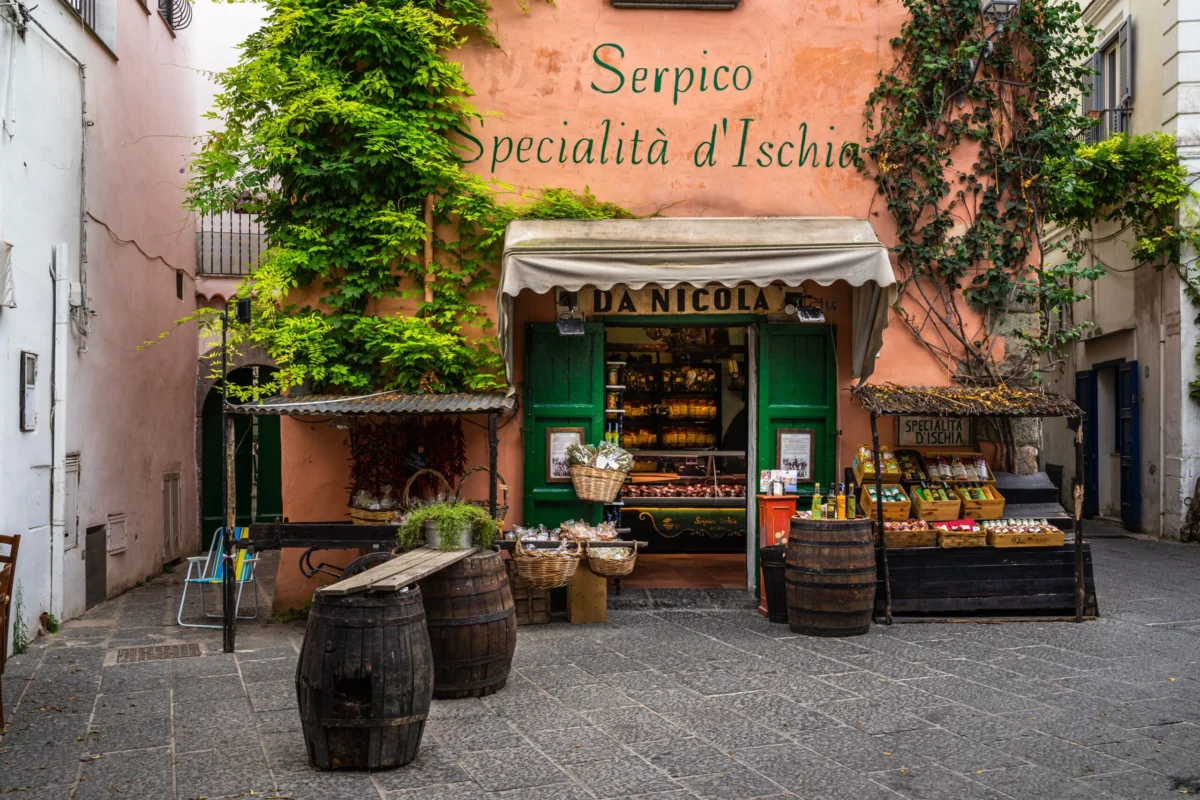
The volcanic island of Ischia, situated in the Tyrrhenian Sea at the northern end of the Gulf of Naples, represents a unique intersection of geological history and culinary preservation. Unlike its more cosmopolitan neighbor, Capri, Ischia has maintained a food culture deeply rooted in the "terra" (land) rather than solely the "mare" (sea). This distinction is driven by the island’s fertile volcanic soil, which is rich in potassium and phosphorus, fostering a biodiversity that supports robust agriculture and a historical reliance on land-based proteins. As global tourism shifts toward authentic, heritage-based experiences, Ischia’s culinary landscape has become a focal point for researchers, chefs, and travelers seeking to understand the resilience of Mediterranean traditions.
The Historical Foundations of Ischian Gastronomy
The defining characteristic of Ischian cuisine is the Coniglio all’Ischitana, or Ischia-style rabbit. The presence of rabbits on the island dates back to the Ancient Roman period when the animals were introduced as a primary food source for the local population. Over centuries, the necessity of managing these populations led to the development of unique husbandry techniques. Historically, wild rabbits roamed the mountainous terrains of Mount Epomeo, creating intricate tunnel networks. They subsisted on a diet of fava bean stems, legumes, wild grasses, and vine shoots—a diet that significantly flavored the meat, distinguishing it from mainland varieties.
A critical element of this history is the "da fossa" method of rabbit rearing. This traditional practice involves raising rabbits in deep pits or burrows, mimicking their natural habitat to reduce stress and maintain the texture and flavor of the meat. While modern industrial farming has threatened this practice, the Slow Food movement has intervened. Several producers on the island now carry the Slow Food Presidium status, a designation intended to protect small-scale, high-quality food productions that use traditional techniques. This preservation effort ensures that the Coniglio all’Ischitana remains a biological and cultural link to the island’s Roman past.

Agricultural Diversity and Volcanic Terroir
Ischia’s landscape is a mosaic of steep terraces and mineral-rich plains. The volcanic nature of the soil allows for the cultivation of citrus fruits—lemons and limes—that are notably larger and more aromatic than those found on the mainland. These fruits are not merely decorative; they form the basis of the island’s essential oils and the famous limoncello produced across the Campania region.
Beyond citrus, the island’s agricultural output is dominated by the "pomodorino del piennolo" and other vine-ripened tomato varieties. These tomatoes are central to the preparation of the island’s signature rabbit dish, where they are slow-cooked in a "tegame"—a traditional clay pot. The clay’s porous nature allows for even heat distribution, facilitating a slow reduction of juices, local white wine, and whole garlic bulbs. This method of slow-cooking reflects a broader Mediterranean philosophy of "cucina povera," or peasant cooking, where simple, high-quality ingredients are transformed through time and technique.
The Vegetarian Paradigm in a Meat-Centric Heritage
While the rabbit is the island’s most famous export, Ischia offers a surprising degree of inclusivity for vegetarian diners, a rarity in some of Italy’s more rigid meat-heavy regions. This is largely due to the "contorni" (side dishes) and "antipasti" (appetizers) culture that celebrates the seasonal harvest. The Parmigiana di Melanzane (aubergine parmigiana) serves as the cornerstone of this vegetarian offering.
On Ischia, the parmigiana is not a monolithic dish; it varies by municipality and household. Some versions utilize smoked provola or mozzarella di bufala, while others emphasize the aromatic herbs—basil, oregano, and nepitella—that grow wild in the volcanic ash. Another staple is the Melanzane alla Funghetto, where aubergines are cubed and pan-fried with garlic and tomatoes until they reach a delicate, earthy consistency. The prevalence of these dishes indicates a historical reliance on garden-to-table consumption that predates modern sustainability trends.

The Economic Impact of Culinary Tourism and the "Tucci Effect"
In recent years, Ischia has seen a significant shift in its tourist demographics, moving from a primarily domestic or European visitor base to a global audience. A major catalyst for this shift was the 2021 broadcast of "Stanley Tucci: Searching for Italy." The episode featuring Ischia’s rabbit culture brought international attention to family-run establishments like Trattoria Il Focolare.
Located in the hills of Fiaiano, Trattoria Il Focolare is managed by the D’Ambra family. The transition of leadership from founders Riccardo and Loretta D’Ambra to their children—Agostino, Francesco, and their sisters—exemplifies the generational continuity required to maintain Ischian traditions. The restaurant’s rise to international fame has had a measurable impact on the local economy. Data from regional tourism boards suggest that "culinary-motivated travel" to Ischia increased by approximately 15% following the series’ release, with a specific interest in the inland, mountainous regions of the island rather than just the coastal ports.
Mapping the Gastronomic Landscape: Key Establishments
To understand the breadth of Ischia’s food scene, one must examine the diverse range of dining environments that cater to different economic and social tiers.
Trattoria Il Focolare (Fiaiano)
This establishment serves as a living museum of Ischian food culture. Its location, perched atop a hill with views of the sunset over the Gulf, provides the atmospheric context for a meal that often spans several hours. The walls are adorned with cinematic history, including posters for "My Brilliant Friend," highlighting the island’s connection to Neapolitan literature and art. The signature "antipasti multi-plate feast" offers a comprehensive overview of the island’s seasonal vegetables and preserved meats.

Jack all’Epomeo (Forio)
Located in the Piazza Matteotti, this restaurant represents the "buzzy," social heart of Forio. It specializes in the classic Neapolitan staples: fresh anchovies, spaghetti aglio e olio, and wood-fired pizza. Its outdoor seating is a prime example of the Italian "piazza culture," where food is secondary to the social ritual of people-watching and communal interaction.
Di Meglio (Forio)
Pizzeria Di Meglio provides a critical data point regarding the accessibility of Ischian cuisine. Despite the island’s reputation as an expensive destination, Di Meglio maintains a pricing structure that caters to locals. A margherita pizza, rivaling the quality of those found in Naples, is priced at €7.50, demonstrating that high-quality, authentic food remains accessible despite the pressures of international tourism.
Ristorante O’ Pignattello (Lacco Ameno)
In the town of Lacco Ameno, Ristorante O’ Pignattello offers a more contemporary interpretation of island flavors. Chef-led blind tasting menus deconstruct traditional elements—such as transforming the rustic rabbit into an elegant ravioli filling. The restaurant also highlights the island’s viticulture, featuring local white wines like Biancolella and Forastera, which are prized for their high acidity and mineral notes derived from the volcanic soil.
La Veranda at San Montano Resort & Spa
Catering to the luxury market, La Veranda demonstrates how traditional Ischian hospitality can adapt to modern dietary requirements. It is one of the few high-end establishments on the island to offer a robust vegan menu. Its "green-and-white" parmigiana and daily-changing canapés represent the pinnacle of refined island dining, set against the backdrop of San Montano Bay.

Viticulture and the Mineral Profile of Ischian Wines
No analysis of Ischian food is complete without a study of its viticulture. The island was one of the first places in Italy where the Ancient Greeks planted vines, naming the region "Enaria" (land of vines). The vineyards are often located on steep, terraced slopes that require "heroic viticulture"—manual labor without the aid of machinery.
The two primary white grape varieties, Biancolella and Forastera, are perfectly adapted to the island’s microclimate. These wines are characterized by a distinct saltiness and minerality, a direct result of the vines’ proximity to the sea and their growth in volcanic ash. This mineral profile makes them the ideal pairing for the rich, fatty meat of the Coniglio all’Ischitana, providing a necessary acidic balance.
Broader Implications: Sustainability and the Future of Island Traditions
The future of Ischia’s culinary identity depends on a delicate balance between tourism growth and agricultural sustainability. The "da fossa" rabbit rearing and the manual maintenance of volcanic terraces are labor-intensive and economically challenging in a globalized market. However, the rise of the "Slow Food" movement and the increasing demand for "farm-to-fork" transparency provide a viable path forward.
Furthermore, the island’s ability to cater to diverse dietary needs—from the traditional meat-eater to the modern vegan—positions it as a resilient destination in the competitive Mediterranean market. By leveraging its unique geological assets and protecting its historical cooking methods, Ischia serves as a model for how regional identities can survive and thrive in the 21st century. The air may be sweet with citrus and sea salt, but the true essence of Ischia lies in the soil, the tradition, and the enduring ritual of the meal.