Ferry Irwandi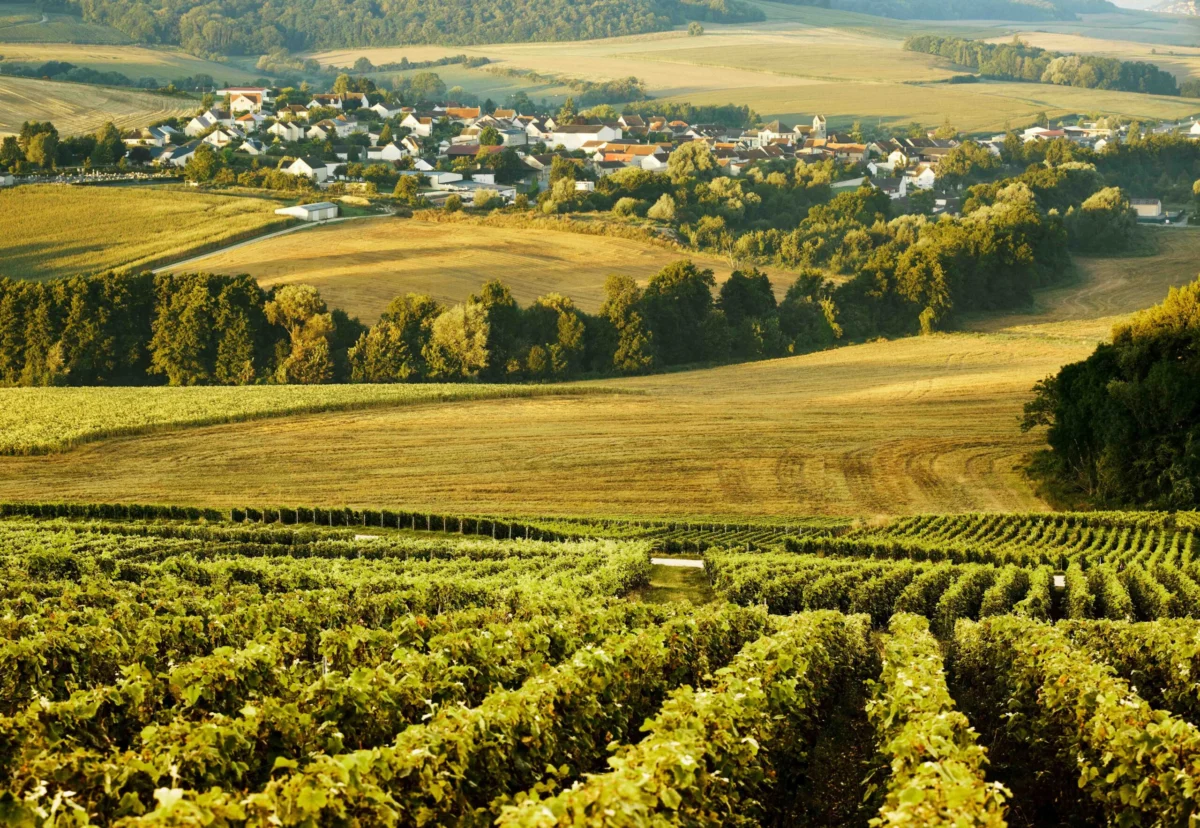
The study of Champagne is as much an exploration of history and geography as it is a pursuit of sensory excellence. For many travelers, the journey from the urban density of Paris to the rolling chalk hills of Reims and Épernay represents a pilgrimage to the heart of the global sparkling wine industry. This region, defined by its strict regulatory framework and unique terroir, serves as the backdrop for a complex interplay between professional viticulture and personal perception. In the autumn of 2021, following the completion of the annual harvest, the Champagne region provided a stark look at the evolving "grower" movement and the enduring legacy of the historic "Grandes Marques," illustrating how the science of taste is inextricably linked to the architecture of memory.
The Regulatory Framework and Terroir of the Champagne AOC
The Champagne region is governed by the Appellation d’Origine Contrôlée (AOC), a rigorous set of standards established in 1936 to protect the integrity of the "Champagne" name. Spanning approximately 34,300 hectares across the departments of Marne, Aube, Aisne, Haute-Marne, and Seine-et-Marne, the region is characterized by its high-latitude position and chalky subsoil. This soil, composed of prehistoric marine fossils, provides essential drainage and mineral acidity, which are the hallmarks of the three primary grapes permitted in the region: Pinot Noir, Meunier, and Chardonnay.
A significant shift in the region’s economic and cultural landscape over the last two decades has been the rise of the "grower" Champagne, or Récoltant-Manipulant (RM). Unlike the major Champagne houses (Négociant-Manipulant), which often purchase grapes from hundreds of small farmers to maintain a consistent "house style," growers produce wine exclusively from their own vineyards. This movement emphasizes terroir—the specific characteristics of a single plot of land—over brand uniformity.

Case Study in Grower Excellence: Bérèche et Fils
Located in the village of Ludes on the Montagne de Reims, Bérèche et Fils exemplifies the meticulous nature of modern grower Champagne. Managed by brothers Raphael and Vincent Bérèche, the estate dates back to 1847. Their approach involves traditional methods, including the use of cork for the secondary fermentation (tirage) of certain cuvées and a focus on long lees aging to develop complexity.
During the post-harvest period in mid-October, the cellars at Bérèche et Fils are thick with the scent of active fermentation—a combination of yeast, raw dough, and ripening fruit. The 2021 vintage, particularly the Rive Gauche (a 100% Meunier cuvée), highlights the saline and mineral qualities derived from the region’s limestone deposits. The sensory experience of tasting these wines in the cellar involves more than the palate; it requires an awareness of the ambient environment, where the audible "hiss" of carbon dioxide escaping from the barrels serves as a reminder of the volatile chemical transitions occurring within the wood.
The Legacy of the Grandes Marques: Champagne Bollinger
In contrast to the smaller grower estates, the historic houses of Champagne offer a look into the industrial and aristocratic heritage of the region. Champagne Bollinger, founded in 1829 in Aÿ, remains one of the few major houses still family-owned. Bollinger is renowned for its Pinot Noir-dominant blends and its commitment to oak fermentation, a rarity in a region that has largely transitioned to stainless steel.
A focal point of the Bollinger estate is "La Côte aux Enfants," a four-hectare plot of legendary status. The vineyard’s name, which translates to "The Children’s Hillside," originates from the extreme steepness of the terrain, which historically required children to assist in the harvest as adults found the incline too taxing. Today, this vineyard produces some of the region’s most sought-after still red wines (Coteaux Champenois) and provides grapes for Bollinger’s top-tier sparkling cuvées.

Bollinger’s production process is a testament to the preservation of specialized labor. The house employs a full-time resident cooper, one of the few remaining in the region, to maintain approximately 4,000 aged barrels. This commitment to traditional barrel aging imparts notes of toasted hazelnut, brioche, and tart strawberry, contributing to the "creaminess" often cited by tasters—a texture technically known as the result of autolysis, where yeast cells break down over time.
Chronology of a Viticultural Expedition
The study of Champagne is often conducted through a structured itinerary designed to highlight the diversity of the region’s sub-zones.
- Phase I: The Montagne de Reims (Ludes): Focus on the power and structure of Pinot Noir and the innovation of grower producers like Bérèche et Fils.
- Phase II: The Vallée de la Marne (Aÿ): Exploration of the historic houses and the intensity of fruit provided by the south-facing slopes of Aÿ, as seen at Bollinger.
- Phase III: The Côte des Blancs (Le Mesnil-sur-Oger): A visit to Champagne Delamotte and its sister house, Salon. Established in 1760, Delamotte focuses on the elegance of Chardonnay. Salon, conversely, is a singular expression of the region, produced only in exceptional vintages from a single grape (Chardonnay), a single terroir (Le Mesnil-sur-Oger), and a single year.
- Phase IV: The Return to Paris: The application of sensory training to other beverage categories, such as specialty coffee and natural wines, in the urban setting of the capital.
The Science of Sensory Perception and Memory
The challenge many non-professionals face when tasting high-end wines is the translation of chemical stimuli into descriptive language. Professional tasters, such as sommeliers, utilize a "lexicon of taste" to categorize flavors into primary (fruit/floral), secondary (winemaking processes), and tertiary (aging) notes. However, recent neurobiological research suggests that taste is deeply tied to the limbic system, the part of the brain responsible for emotion and memory.
While a sommelier might detect "ripe peach" or "sun-warmed cherries" in a glass of Champagne, these descriptors are essentially metaphors for complex esters and thiols. For the layperson, the "correct" descriptor is often less important than the "associative" descriptor. This phenomenon was illustrated during a visit to Laïzé, a Taiwanese specialty coffee shop in the 3rd arrondissement of Paris.

At Laïzé, the Tainan blend is noted for its fermented, wine-like qualities. For an individual with a specific cultural background, this fermentation might not trigger a "wine" association but rather a specific culinary memory, such as the pungent aroma of fermented "stinky tofu" (chòu dòufu). This illustrates a fundamental truth in sensory analysis: the palate is not a blank slate but a repository of every flavor an individual has encountered since childhood.
Economic and Cultural Implications of Champagne Tourism
The Champagne industry is a vital pillar of the French economy. According to the Comité Champagne, the region exported 326 million bottles in 2022, with a total value exceeding €6 billion. This economic success is increasingly bolstered by "oenotourism" (wine tourism), which has seen a surge in interest following the UNESCO World Heritage designation of "Champagne Hillsides, Houses, and Cellars" in 2015.
The professionalization of winery tours—incorporating historical archives, vintage label displays, and tours of subterranean "crayères" (chalk pits)—has transformed the region into a living museum. However, the saturation of information can lead to "tasting fatigue," where the clinical dissection of acidity, dosage, and barrel age begins to obscure the emotional impact of the wine.
Conclusion: The Synthesis of Experience
The journey through the vineyards of Champagne and the cafes of Paris reveals that the appreciation of a beverage is a dual process. It requires both an objective understanding of the producer’s craft—the history of the barrels, the steepness of the hills, and the chemistry of fermentation—and a subjective willingness to engage with one’s own history.
.PNG)
Ultimately, the value of a region like Champagne lies not just in the liquid produced but in its ability to anchor a moment in time. Whether it is the basement chill of a 100-year-old cellar, the visual haze of rain over the Côte des Blancs, or the unexpected memory of a childhood dish triggered by a cup of coffee, the sensory experience serves as a bridge between the technical world of viticulture and the personal world of memory. As the Champagne region continues to navigate the challenges of climate change and evolving consumer tastes, its status as a site of both scientific rigor and poetic inspiration remains secure.