Danny Garick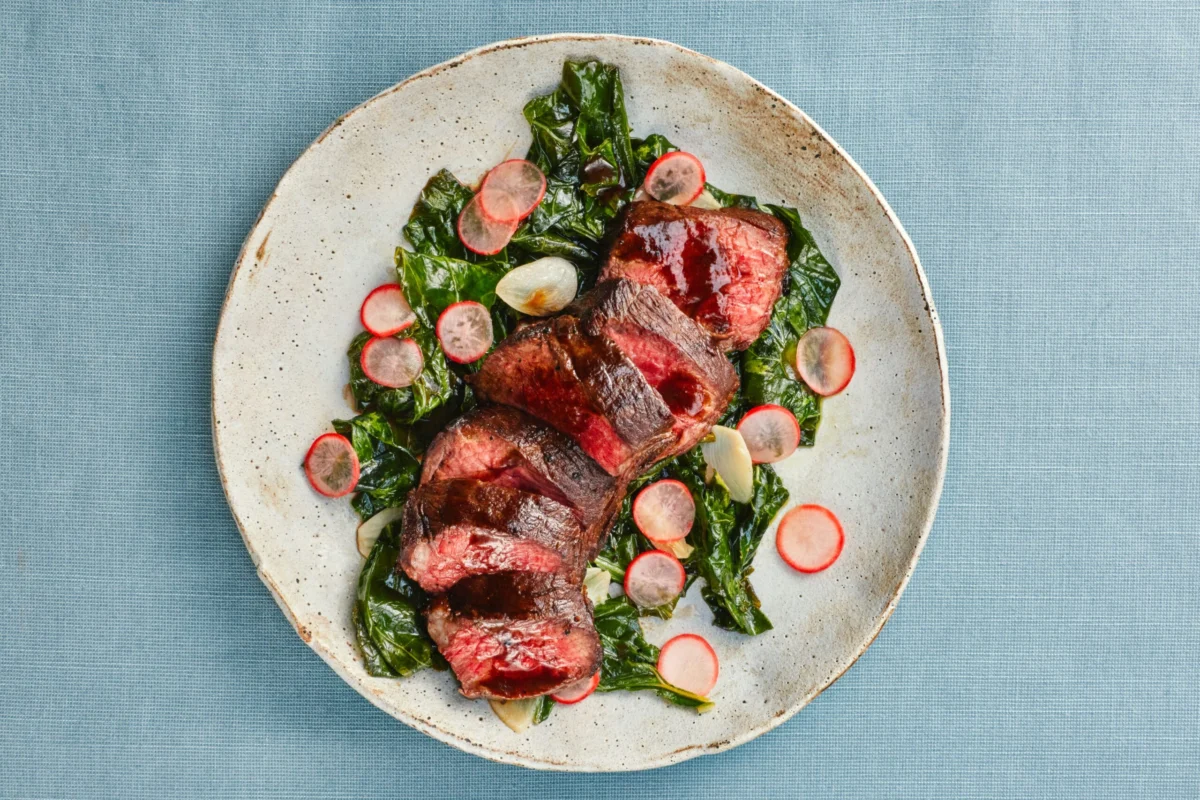
Demographic shifts in the United States have fundamentally altered the landscape of the domestic culinary industry, placing a renewed emphasis on single-serve gastronomy and the strategic selection of versatile, high-value ingredients. As of the latest census data, nearly 30% of American households consist of a single individual, a statistic that has prompted a reevaluation of traditional recipe development and grocery procurement. Central to this transition is the emergence of specific beef cuts, most notably the boneless short rib—also known as the Denver steak or zabuton—which offers a unique intersection of affordability, marbling, and culinary flexibility. This shift toward solo-centric dining is not merely a social phenomenon but a significant economic driver influencing butchery techniques and the marketing of umami-rich flavor enhancers like instant dashi powder.
The Technical Profile of the Denver Steak
The boneless short rib, derived from the chuck roll of the bovine, represents a significant advancement in modern butchery. Historically, the chuck—or shoulder—was reserved for slow-cooking methods such as pot roasting or braising due to its high connective tissue content. However, the identification of the serratus ventralis muscle has allowed butchers to isolate a cut that rivals premium steaks in both tenderness and flavor.
Often marketed under the Japanese name "Zabuton," which translates to "floor cushion," this cut is characterized by its rectangular shape and dense intramuscular fat. In the hierarchy of beef tenderness, the Denver steak is frequently ranked as the fourth most tender muscle in the entire carcass, trailing only the tenderloin, flat iron, and ribeye cap. Despite this high ranking, the cut remains significantly more affordable than the primary rib or loin cuts. Its structural integrity allows it to be prepared via high-heat searing to a medium-rare finish, yet its origin in the chuck provides enough collagen to withstand traditional braising, where it achieves a "shreddy" texture synonymous with classic short ribs.
Chronology of the Denver Steak’s Market Emergence
The prominence of the Denver steak is the result of a concerted effort by the beef industry to maximize the value of the carcass. The timeline of its development reflects the intersection of meat science and market necessity:
- Early 2000s: The Cattlemen’s Beef Board and the National Cattlemen’s Beef Association (NCBA) funded research at the University of Florida and the University of Nebraska. The goal was to identify "hidden" value in the beef chuck and round—traditionally lower-priced sections of the animal.
- 2009: Following extensive muscle profiling, the "Denver Cut" was officially introduced to the market. It was named through a consumer research process intended to evoke a sense of rugged, high-quality Americana.
- 2015–2020: The rise of Japanese-style butchery in Western urban centers popularized the "Zabuton" terminology. During this period, the cut moved from specialized butcher shops to mainstream grocery retailers.
- 2021–Present: The surge in solo living and the "premiumization" of home cooking during the post-pandemic era cemented the Denver steak’s status as a staple for single-serve gourmet meals.
The Economics of Solo Dining and Grocery Trends
The shift toward single-person households is a primary driver for the "Me, Myself, and Dinner" culinary movement. According to data from the U.S. Census Bureau, solo households have grown from approximately 13% in 1960 to nearly 30% today. This demographic shift has created a demand for "single-serve" proteins that do not require the purchase of large, multi-pound roasts.
From a pricing perspective, the Denver steak offers a compelling value proposition. While a traditional ribeye or New York strip may retail for $18 to $25 per pound in premium markets, the Denver steak typically sits in the $12 to $16 range. For the solo diner, this allows for the consumption of a high-marbling product without the "bulk buy" commitment required by larger primal cuts. Furthermore, the inclusion of the picanha (sirloin cap) as a recommended alternative highlights a growing consumer awareness of regional butchery. The picanha, a staple of Brazilian steakhouses, provides a thick fat cap that enhances flavor during a quick sear, making it another ideal candidate for individual portions.
The Science of Umami: Beyond Traditional Seasoning
A critical component of modern solo cooking is the efficient use of flavor enhancers that provide "umami"—the fifth basic taste associated with savoriness. Professional chefs and home cooks are increasingly turning to instant dashi powder as a versatile tool rather than a simple soup base.
Dashi, the foundation of Japanese cuisine, is traditionally made from katsuobushi (dried, fermented skipjack tuna) and kombu (dried kelp). The instant powder version contains concentrated glutamates and nucleotides (specifically inosinate), which work synergistically to amplify the perceived savoriness of proteins.
Comparative Flavor Enhancement Data
| Ingredient | Primary Flavor Compound | Application in Solo Cooking |
|---|---|---|
| Instant Dashi | Glutamate & Inosinate | Dry rub for steaks, umami boost in sauces |
| Miso Paste | Fermented Soy Glutamates | Glazes and marinades |
| Bouillon Paste | Hydrolyzed Vegetable Protein | Deepening the profile of quick braises |
| Anchovy Paste | Inosinate | Salty, savory depth in dressings |
The integration of dashi powder directly into dry rubs or sauces—without prior rehydration—is a technique gaining traction in professional kitchens. It provides a "phenomenal boost" to dishes that require depth but cannot accommodate the volume of liquid required by traditional stocks. This approach is particularly effective when paired with rich meats like the Denver steak, as the savory notes of the dashi cut through the high fat content of the beef.
Industry Perspectives and Official Responses
Culinary educators and industry analysts have noted that the "single-serve" trend is forcing a rebranding of how meat is sold. "We are seeing a move away from the ‘family pack’ toward precision-cut steaks that prioritize quality over quantity," says Marcus Thorne, a retail meat consultant. "The Denver steak is the perfect example of this. It’s a sophisticated cut that requires a bit more knowledge to identify, but it rewards the consumer with a high-end experience at a mid-range price point."
Similarly, flavor scientists suggest that the use of instant dashi represents a broader "globalization of the pantry." Dr. Elena Rossi, a food chemist, explains: "Consumers are no longer looking for just salt; they are looking for complexity. Instant dashi provides a shortcut to that complexity. It functions as a catalyst for other flavors, making it indispensable for quick, high-impact meals."
Broader Implications and Future Outlook
The rise of the Denver steak and the adoption of umami-rich ingredients like dashi are indicative of several larger trends in the food industry:
- Sustainable Carcass Utilization: By popularizing cuts from the chuck and round, the industry reduces waste and increases the overall value of the animal. This "nose-to-tail" philosophy, once limited to high-end dining, is becoming a mainstream economic necessity.
- The "Treat Yourself" Economy: Solo diners are more likely to spend a higher amount per ounce on premium ingredients if the total transaction remains manageable. This has led to the "premiumization" of the single-serve market.
- Culinary Literacy: The success of the "Me, Myself, and Dinner" concept relies on an informed consumer base that understands the difference between a tough chuck roast and a tender Denver steak. This necessitates ongoing education from food media and retail butchers.
As the number of single-person households continues to rise globally, the food industry must adapt by providing products that cater to smaller portions without sacrificing the culinary experience. The Denver steak, with its dual identity as both a quick-searing steak and a slow-cooking braising cut, serves as a blueprint for the future of protein marketing. When paired with the concentrated flavor profiles of ingredients like instant dashi, it enables the solo diner to achieve restaurant-quality results in a domestic setting, proving that the scale of a meal does not dictate its sophistication.
In conclusion, the intersection of specialized butchery and global pantry staples is redefining the solo dining experience. The Denver steak is no longer just a "underrated" cut; it is a strategic choice for the modern consumer who values efficiency, economy, and excellence in equal measure. As butchery techniques continue to evolve and global flavors become more accessible, the barrier between professional-grade results and the home kitchen continues to dissolve, one single-serve meal at a time.