Nila Kartika Wati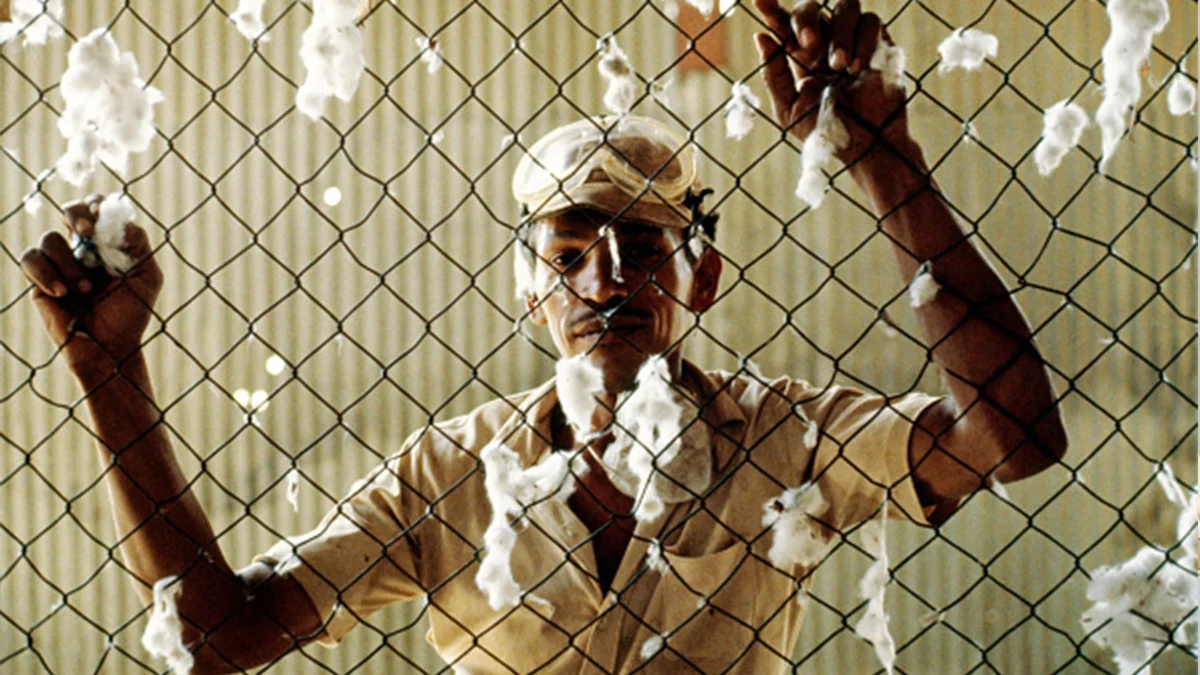
Fashion’s biggest sustainability challenges don’t exist in isolation. Increasingly, neither do the solutions. This evolving understanding is prompting a paradigm shift within the global fashion industry, moving away from siloed approaches to environmental and social issues towards more holistic and collaborative strategies. The intricate web of global supply chains, resource consumption, and consumer behavior means that addressing issues like textile waste, water pollution, carbon emissions, and labor exploitation requires a comprehensive, interconnected approach.
The traditional model of sustainability in fashion often focused on individual components: a brand might launch a collection made from recycled materials, another might commit to reducing its carbon footprint in manufacturing, and a third might implement stricter ethical sourcing guidelines. While these efforts are commendable and represent crucial steps, they often operate independently, failing to acknowledge how these issues are intrinsically linked and how solutions in one area can positively or negatively impact others. For instance, the production of recycled polyester, while diverting waste from landfills, still relies on chemical processes and energy, and its end-of-life options remain a significant challenge. Similarly, efforts to reduce water usage in dyeing processes can be undermined by the sheer volume of production driven by fast fashion cycles.
The Growing Recognition of Interconnectedness
This growing awareness of interconnectedness is not a sudden revelation but rather a culmination of years of research, advocacy, and practical experience. Scientific reports from organizations like the United Nations Environment Programme (UNEP) and the Ellen MacArthur Foundation have consistently highlighted the systemic nature of fashion’s environmental impact. The industry is a significant contributor to global greenhouse gas emissions, estimated by UNEP to be between 2-8% of the global total. It also consumes vast amounts of water, with estimates suggesting it takes around 2,700 liters of water to produce a single cotton t-shirt. Textile dyeing alone is responsible for about 20% of global industrial water pollution.
Furthermore, the social implications are equally profound. The pursuit of lower production costs often leads to exploitative labor practices in developing countries, characterized by low wages, unsafe working conditions, and long hours. The Rana Plaza collapse in Bangladesh in 2013, which killed over 1,100 garment workers, served as a stark and tragic reminder of the human cost of unchecked industrial practices and the need for greater transparency and accountability throughout the supply chain.
A Timeline of Shifting Perspectives
The trajectory towards integrated sustainability solutions can be traced through several key developments:
- Early 2000s: The rise of Corporate Social Responsibility (CSR) initiatives began to bring environmental and social issues to the forefront, albeit often as a distinct reporting function rather than an integrated business strategy. Certifications like Oeko-Tex and WRAP gained traction.
- 2010s: The "fast fashion" model intensified, leading to increased awareness of overconsumption and waste. The Ellen MacArthur Foundation’s “A New Textiles Economy” report (published in 2017) was a landmark moment, advocating for a circular economy for textiles and emphasizing the need for systemic change. This period also saw a surge in consumer demand for sustainable and ethically produced goods, amplified by social media.
- Late 2010s – Present: The focus has increasingly shifted towards systemic solutions. Concepts like regenerative agriculture for raw material sourcing, the development of truly biodegradable or infinitely recyclable materials, and the implementation of robust supply chain traceability technologies have gained prominence. Collaborative initiatives involving brands, manufacturers, NGOs, and governments are becoming more common. The push for legislation, such as the proposed EU Strategy for Sustainable and Circular Textiles, signals a move towards regulatory frameworks that encourage integrated approaches.
Data Supporting the Integrated Approach
The efficacy of integrated solutions is being demonstrated through various data points:
- Circular Economy Models: Brands adopting circular models, which aim to keep materials in use for as long as possible, are reporting reduced waste and resource dependency. For example, companies implementing take-back programs and investing in textile-to-textile recycling technologies are seeing a decrease in virgin material consumption. The Ellen MacArthur Foundation estimates that a circular economy for fashion could generate significant economic opportunities, potentially unlocking €455 billion in value annually.
- Supply Chain Transparency: Investments in blockchain and other traceability technologies are enabling brands to map their supply chains more effectively, identifying environmental hotspots and social risks. This transparency allows for targeted interventions and fosters accountability. Companies that have successfully implemented such systems report improved compliance with ethical standards and reduced instances of environmental non-compliance.
- Material Innovation: The development of lower-impact materials, such as those derived from agricultural waste or produced through bio-fabrication, is contributing to reduced reliance on conventional, resource-intensive fibers like cotton and polyester. While still nascent, these innovations hold the promise of significantly mitigating environmental footprints. For instance, research into materials like mushroom leather or lab-grown cotton offers potential alternatives with lower water and chemical inputs.
- Collaborative Initiatives: Industry-wide collaborations, such as the Sustainable Apparel Coalition (SAC) and its Higg Index, provide tools and frameworks for companies to measure and benchmark their environmental and social performance. Participation in such initiatives has been shown to drive progress, as companies learn from each other and collectively address common challenges. The SAC’s data indicates a gradual improvement in environmental performance across its member base, suggesting that shared measurement and goals can lead to tangible results.
Key Pillars of Integrated Sustainability
The shift towards integrated sustainability solutions can be understood through several interconnected pillars:
H2: Circularity and Resource Efficiency
This goes beyond simply recycling. It encompasses designing products for longevity, repairability, and eventual recyclability or biodegradability. It involves investing in infrastructure for collecting, sorting, and reprocessing used textiles.
- Data Insight: According to the European Environment Agency, textiles are one of the most resource-intensive product categories, with significant waste generation. Implementing circular economy principles can divert millions of tons of waste from landfills and incineration annually.
- Analysis: A truly circular system requires collaboration across the entire value chain, from fiber producers to designers, manufacturers, retailers, and consumers. It necessitates innovation in material science, reverse logistics, and business models that incentivize reuse and repair.
H2: Supply Chain Transparency and Ethical Sourcing
Understanding and managing the social and environmental impacts at every stage of production is paramount. This includes ensuring fair wages, safe working conditions, and minimizing environmental degradation at the raw material and manufacturing levels.
- Data Insight: Reports consistently show that a significant portion of fashion’s environmental impact occurs in the upstream supply chain, particularly in agriculture and raw material processing. Social risks are also concentrated in manufacturing hubs.
- Analysis: Traceability technologies are crucial for identifying risks and enabling brands to work with suppliers to implement improvements. This also builds consumer trust and allows for more informed purchasing decisions.
H2: Material Innovation and Responsible Sourcing
This involves exploring and adopting materials with a lower environmental footprint, such as organic cotton, recycled fibers, bio-based alternatives, and innovative materials developed through biotechnology. It also means ensuring that even conventional materials are produced using more sustainable agricultural practices.
- Data Insight: Conventional cotton cultivation is water-intensive and often relies heavily on pesticides. Organic cotton, for instance, uses significantly less water and no synthetic pesticides, reducing its environmental burden.
- Analysis: The development and scaling of new, sustainable materials require significant investment in research and development, as well as collaboration with material scientists and agricultural experts.
H2: Consumer Engagement and Behavior Change
Ultimately, sustainable fashion requires a shift in consumer mindset, moving away from disposable fashion towards conscious consumption, valuing quality over quantity, and supporting brands committed to ethical and environmental practices.
- Data Insight: The rise of social media has empowered consumers to demand more from brands. Surveys indicate a growing preference for sustainable products, particularly among younger demographics.
- Analysis: Educating consumers about the impact of their choices and providing accessible options for sustainable products are critical. This includes clear labeling, transparent communication, and promoting repair and resale services.
The Path Forward: Collaboration and Systemic Change
The future of fashion sustainability lies in its interconnectedness. Brands can no longer afford to operate in isolation, addressing single issues without considering their broader implications. Industry-wide collaborations, policy interventions, and a fundamental rethinking of business models are essential.
For example, a brand aiming to reduce its water footprint might collaborate with agricultural partners to promote water-efficient farming techniques for its cotton suppliers. Simultaneously, it could invest in advanced dyeing technologies that minimize water usage and pollution. This integrated approach addresses the issue at multiple points in the supply chain, from farm to finished garment.
The recent global discussions around Extended Producer Responsibility (EPR) schemes, where producers are made responsible for the end-of-life management of their products, further underscore this trend. EPR necessitates a holistic view, encouraging brands to design for recyclability and invest in collection and recycling infrastructure.
In conclusion, the recognition that fashion’s sustainability challenges are deeply intertwined is leading to a more robust and effective approach to problem-solving. By fostering collaboration, embracing innovation, and demanding transparency across the entire value chain, the industry can move beyond incremental changes towards systemic transformation, creating a fashion ecosystem that is both environmentally responsible and socially equitable. The journey is complex and ongoing, but the direction is clear: integrated solutions are the only viable path forward.