Ana Megawati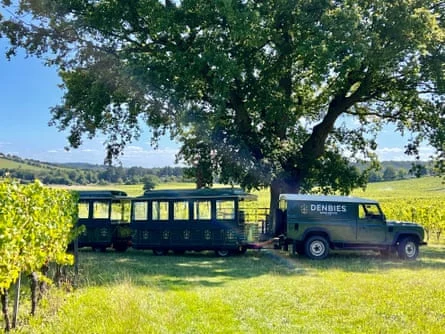
Across the United Kingdom, a diverse array of attractions and natural wonders beckons visitors this summer, offering everything from immersive historical spectacles to tranquil wildlife encounters and exhilarating outdoor adventures. From the sun-drenched fields of Gower to the artistic landscapes of Scotland, these destinations provide unique opportunities for recreation, education, and cultural enrichment.

Walk Through Sunflowers in Gower: A Golden Spectacle at Rhossili Bay
On the breathtaking westernmost tip of the Gower Peninsula, an Area of Outstanding Natural Beauty (AONB) renowned for its dramatic coastline and pristine beaches, Rhossili Bay stands as a testament to Wales’s natural grandeur. This gloriously wide sweep of golden sand, frequently lauded as one of the UK’s best beaches, is backed by rolling dunes and caressed by waves ideal for bodyboarding and surfing. The southern headland offers a picturesque scene of wild ponies grazing freely, while intrepid walkers meticulously plan their excursions across to the distinctive, serpent-like Worm’s Head promontory, a tidal island accessible only during specific low tide windows. This natural phenomenon adds an element of adventure, requiring visitors to be acutely aware of the tide’s rhythm to avoid being cut off.
In recent summers, Rhossili Bay has introduced an additional, vibrant attraction: a spectacular field of 100,000 sunflowers. Located a mere 20-minute walk from the National Trust car park serving Worm’s Head, these towering blooms transform the landscape into a golden sea, typically reaching their peak from late July into August. This agricultural diversification not only creates a stunning visual spectacle but also supports local biodiversity, attracting pollinators and contributing to the area’s ecological health. The site offers a range of family-friendly activities, including pick-your-own sunflower fields, allowing visitors to take a piece of the beauty home. A winding trail leads adventurers past whimsical wooden animal structures and giant swings, strategically placed for captivating photo opportunities as much as for playful enjoyment.
The initiative to plant sunflowers, while providing aesthetic appeal and a unique visitor experience, also serves as an innovative approach to agricultural land use, offering an alternative revenue stream for local farmers and contributing to the seasonal tourism economy of the Gower Peninsula. Entry to the sunflower fields is priced at £4 on weekdays and £4.50 on weekends, with further details available at rhossilisunflowers.co.uk. This popular seasonal event draws thousands of visitors, enhancing Rhossili Bay’s reputation as a multifaceted destination appealing to nature lovers, beachgoers, and families alike.
Fabulous Forest Play in Dorset: Moors Valley Country Park’s Evolving Adventure
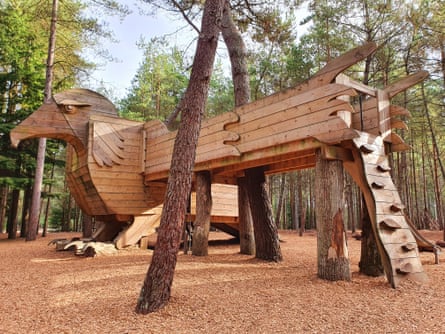
Deep within the ancient woodlands of Moors Valley Country Park in Dorset, Forestry England has cultivated an imaginative and extensive play trail designed to immerse children and families in nature. This mile-long adventure course winds through a canopy of trees, unveiling a series of giant, nature-themed play structures. Children can explore colossal ant nests, navigate winding snake pits, marvel at immense hawks, and encounter oversized spiders, all intricately crafted to stimulate imaginative play and physical activity. The trail features tunnels for crawling, exhilarating slides, and challenging crocodile-shaped balancing beams, encouraging agility and coordination.
A notable commitment to inclusivity is evident in the "inclusive beehive," which boasts a double-width slide to accommodate multiple users and quiet areas providing less stimulation for children who may require a calmer environment. This thoughtful design ensures that children of all abilities can engage with the natural world and enjoy the park’s offerings.
New for this year, Moors Valley has introduced "Woodland Rhapsody," a musical play structure that encourages sensory exploration through sound. Visitors can create rhythmic compositions using gravel-filled rainmakers and various drums. Adjacent to this, the "Timber area" offers an educational journey into the life of a forester. Here, interactive elements like pulleys for sorting seeds, challenging timber tangles for climbing, and a large wooden harvester equipped with a steering wheel and operational levers provide hands-on learning about sustainable forest management and the work involved in maintaining these vital ecosystems.
Moors Valley Country Park, managed by Forestry England, plays a crucial role in promoting outdoor recreation and environmental education. Its play trails are designed not just for entertainment but also to foster a connection with nature, encouraging physical development and creative thinking in children. While car parking charges apply, entry to the play trail itself is free, making it an accessible option for families. More information is available at moors-valley.co.uk. The park’s continuous development of innovative play structures underscores its commitment to providing enriching outdoor experiences for a wide demographic, contributing significantly to local tourism and community well-being.
A Wine (and Wildlife) Hike in the Surrey Hills: Blending Viticulture with Conservation
While the concept of wine hikes, with their scenic trails linking vineyards, is often associated with the sun-drenched landscapes of mainland Europe, England’s Surrey Hills offers a captivating alternative, seamlessly integrating viticulture with wildlife conservation. This unique experience leverages the renowned North Downs Way, a National Trail celebrated for its stunning views and diverse ecosystems.
The journey typically commences at Albury Vineyard, a pioneer in organic and biodynamic winemaking in England. From Guildford train station, visitors can take the 32 bus to reach this picturesque estate. Albury offers a self-guided wildlife walk that meanders through its meticulously managed vines. This trail is an educational experience, designed to highlight the vineyard’s commitment to biodiversity. Walkers will encounter strategically placed bat and barn owl boxes, providing crucial habitats for these beneficial predators, as well as charming bug hotels that support insect populations vital for a healthy vineyard ecosystem. Active beehives underscore the importance of pollinators, while vibrant wildflower meadows burst with colour, attracting a myriad of insects and birds. A tranquil pond further enhances the ecological richness of the estate. Albury Vineyard’s approach exemplifies a growing trend in English viticulture where environmental stewardship is as important as wine production.
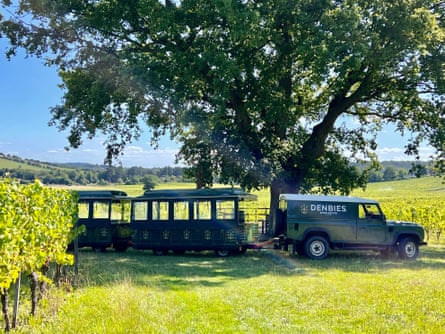
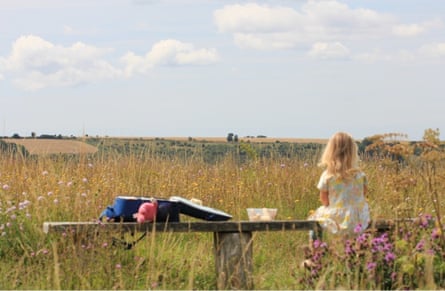
Following this immersive start, a seven-mile hike along a section of the North Downs Way leads to Denbies Wine Estate, one of England’s largest and most established vineyards. Here, visitors can embark on the popular vineyard "train," a series of carriages charmingly hooked up to the back of a Land Rover, offering a guided tour through the sprawling estate’s 265 acres under vine. For those preferring shorter excursions, various walking loops start and end at Denbies Estate. These paths lead past unique artistic installations, such as James Tunnard’s wavy wooden seat, "Radius," which offers a moment of contemplation amidst the vines. The trails also ascend Denbies Hillside, a designated Site of Special Scientific Interest (SSSI), renowned for being alive with rare butterflies and wild orchids, making it an idyllic spot for a picnic with panoramic views of the Surrey Hills AONB.

The economic impact of wine tourism in the Surrey Hills is substantial, drawing visitors who contribute to local businesses, accommodation providers, and the wider rural economy. Both vineyards actively promote sustainable practices, contributing to the region’s conservation efforts. The Albury Vineyard wildlife walk is free, though a suggested donation of £10 per group supports the vital work of the Surrey Wildlife Trust (alburyvineyard.com). The Denbies vineyard train tour is priced at £12.50 for adults and £6.95 for children (denbies.co.uk), providing an accessible way for families to engage with England’s flourishing wine industry and its accompanying natural beauty. This dual focus on fine wine and robust biodiversity sets the Surrey Hills apart as a premier destination for discerning travellers.
Spot Dolphins in the Moray Firth: A Hub for Marine Conservation in Scotland
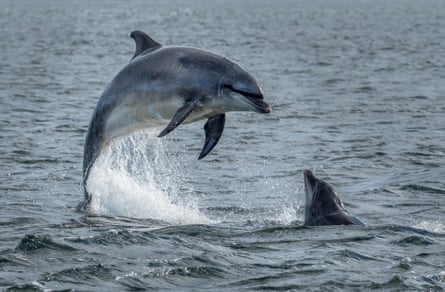
The waters north of Inverness, particularly within the Moray Firth, are home to a remarkable and robust population of approximately 200 bottlenose dolphins. This colony holds the distinction of being the most northerly known resident population of bottlenose dolphins in the world, thriving in conditions that might seem challenging to other marine species. These hardy mammals are observed hunting and swimming throughout the Moray Firth and beyond all year round, demonstrating incredible resilience. However, the summer months offer heightened opportunities for spectacular sightings, as the dolphins become more active, frequently seen breaching, tail-slapping, and leaping from the water in pursuit of fish.
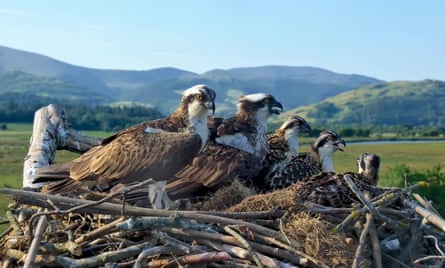
At the heart of this marine spectacle is the Scottish Dolphin Centre, situated at Spey Bay. This facility serves as more than just a vantage point for wildlife observation; it is a vital hub for marine learning and conservation. Visitors can borrow binoculars to enhance their viewing experience, keeping an eager eye out not only for the majestic dolphins but also for other significant wildlife such as ospreys soaring overhead, seals basking on the shore, and elusive otters along the riverbanks.
The centre itself is steeped in history, housed within a former 18th-century fishing station. This historical setting adds a layer of heritage to the conservation mission. Inside, visitors can embark on guided tours of the old ice house, a relic of the area’s fishing past. An interactive dolphin exhibition captivates all ages, featuring live wildlife cameras that offer real-time glimpses into the underwater world and the lives of the Moray Firth dolphins. Beyond the indoor exhibits, the centre organises engaging river rambles and nature-themed holiday clubs during the Scottish school summer holidays, providing hands-on educational experiences for younger visitors. These programmes are crucial in fostering an understanding of marine ecosystems and inspiring the next generation of conservationists.
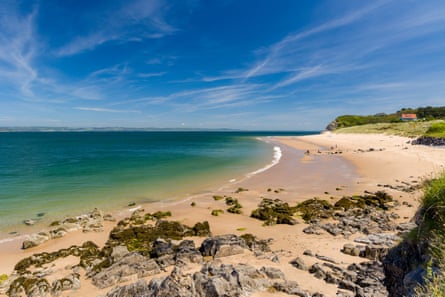
The Scottish Dolphin Centre, managed by Whale and Dolphin Conservation (WDC), plays a critical role in the research, monitoring, and protection of the Moray Firth dolphins and wider marine environment. Its efforts contribute significantly to ecotourism in the region, drawing visitors keen to witness these magnificent creatures in their natural habitat and learn about their conservation. Entry to the centre and its primary exhibits is free, with holiday clubs priced affordably at £1.50-£3 per child. Further information on programmes and conservation efforts can be found at dolphincentre.whales.org. The centre’s blend of education, history, and active conservation makes it a cornerstone of responsible tourism in the Scottish Highlands.
Celebrate David Hockney in West Yorkshire: Salts Mill as a Cultural Beacon
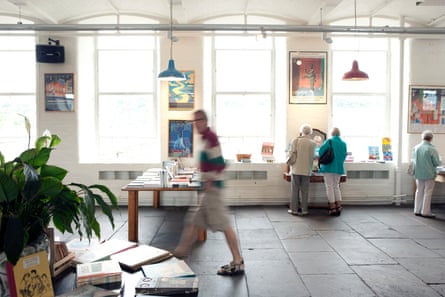
In the heart of West Yorkshire, Salts Mill stands as a remarkable testament to industrial regeneration and artistic legacy, deeply intertwined with the life and work of one of Britain’s most celebrated artists, David Hockney. His iconic oil painting, "Salts Mill," vividly depicts the Victorian facade of the building glowing with an orange hue, set against the emerald green glint of the Yorkshire hillsides. This painting, originally a personal gift for Hockney’s dear friend Jonathan Silver, who spearheaded the mill’s transformation into a vibrant cultural hub, now fittingly hangs in the building’s entrance, welcoming visitors and symbolizing its rebirth.
Jonathan Silver’s vision saw the former textile mill, once a powerhouse of the industrial revolution, evolve into a multifaceted destination dedicated to art, commerce, and community. This transformation saved a significant piece of Victorian heritage and created a unique space for public engagement.
Upstairs, Salts Mill hosts a significant collection of Hockney’s works, including the ongoing "20 Flowers for 2025 and Some Bigger Pictures" exhibition, which is scheduled to run until January 2027. This exhibition provides a comprehensive insight into Hockney’s diverse artistic periods and techniques, from vibrant still lifes to expansive landscapes. The gallery spaces offer an inspiring environment, allowing visitors to engage directly with world-class art. Entry to the exhibitions is free, underscoring the mill’s commitment to making art accessible to all. After exploring the galleries, visitors might be inspired to pick up a sketchbook and paints from the well-stocked shop, which offers a range of art supplies and books.
Beyond the art, Salts Mill offers a complete visitor experience. Salts Diner provides a relaxed setting for lunch, with a menu featuring popular options like burgers and pizzas. Within the mill complex, the Peace Museum offers a quieter, contemplative space, inviting visitors to explore themes of peace and conflict resolution through its exhibits. For those wishing to extend their visit outdoors, a delightful walk along the adjacent canal leads to the historic town of Bingley, offering further glimpses into the region’s industrial past and scenic beauty.
Salts Mill’s success as a cultural and commercial centre has had a profound impact on the local economy and community, attracting tourists and art enthusiasts from around the globe. It serves as a model for how industrial heritage can be preserved and repurposed to create dynamic public spaces. The continuous display of Hockney’s work, a son of Yorkshire, reinforces the region’s cultural identity and its contribution to the arts. Further details about exhibitions and opening hours can be found at saltsmill.org.uk.
Visit the Quentin Blake Centre in London: A New Home for Illustration
A momentous occasion for the art world occurred in June when the esteemed illustrator Quentin Blake, at the age of 93, realised a two-decade-long ambition: the opening of the Quentin Blake Centre for Illustration. This groundbreaking institution, a permanent home dedicated to celebrating and preserving the art form, is housed within an elegantly restored 18th-century waterworks in Clerkenwell, London. The adaptive reuse of this historic industrial building provides a unique and inspiring backdrop for the centre’s mission.
Quentin Blake is globally celebrated for his distinctive, scribbly style, most famously recognised in his iconic illustrations for Roald Dahl’s beloved stories, which have enchanted generations of readers. However, the centre’s scope extends far beyond Blake’s personal oeuvre, embracing the full breadth of illustration as an art form. It showcases a wide array of illustrative work, from intricate comics and graphic novels to expansive murals, demonstrating the versatility and power of visual storytelling.
A significant portion of the centre is freely accessible to the public, fostering an inclusive environment for art appreciation. The former Engine House now hosts a welcoming library, inviting visitors to delve into a vast collection of illustrated books and resources. The Boiler House has been transformed into a charming cafe, offering a relaxed space for reflection. The surrounding gardens provide a tranquil oasis within the urban landscape, perfect for leisurely strolls and moments of inspiration.
The paid exhibitions at the Quentin Blake Centre delve deeper into the world of illustration. These include explorations of Blake’s extensive personal archive, offering insights into his creative process and lesser-known works, alongside spotlighting the vibrant contributions of contemporary illustrators. This dynamic programming ensures a fresh and engaging experience for repeat visitors. For budding artists, the Creative Studio hosts engaging workshops during the summer holidays, held on Wednesdays from 10:30 am to 12:30 pm. These sessions offer hands-on opportunities to experiment with techniques such as fabric painting and printmaking, fostering creativity and artistic development in young minds.
The establishment of the Quentin Blake Centre for Illustration represents a significant cultural milestone for London and the wider art community. It not only honours the legacy of a living legend but also elevates the status of illustration as a vital artistic discipline. Its location in Clerkenwell, an area rich in creative history, further solidifies its position as a cultural landmark. The centre is poised to become a hub for education, research, and public engagement, ensuring that the art of illustration continues to inspire and evolve. Exhibition tickets are priced at £15 for adults, £6 for children, with under-5s enjoying free entry, and family tickets starting from £23 (for 1 adult + 3 children). Further information is available at qbcentre.org.uk.
Count Butterflies on the Hampshire Downs: Citizen Science at Magdalen Hill Down
The summer of this year is predicted to be a "bumper summer" for butterflies, thanks in part to a significant migration of painted lady butterflies from Africa. This natural phenomenon provides a perfect backdrop for Butterfly Conservation’s annual Big Butterfly Count, the world’s largest insect survey of its kind. Running until August 9th, this citizen science initiative invites individuals across the UK to spend just 15 minutes outdoors, noting the numbers and species of butterflies and moths they observe. Last year, an impressive 125,000 citizen scientists participated, contributing invaluable data to conservation efforts.
One of the prime locations for contributing to the Big Butterfly Count is Butterfly Conservation’s own Magdalen Hill Down nature reserve, situated on a picturesque chalk hillside just outside Winchester in Hampshire. This expansive reserve covers 46 hectares (approximately 114 acres) of vital chalk grassland, interwoven with vibrant wildflower meadows and pockets of woodland. Chalk grassland is a critically important habitat, supporting a unique and diverse array of flora and fauna, many of which are rare or endangered.
Magdalen Hill Down is a haven for numerous butterfly species, offering a chance to spot some of the UK’s most beautiful and intriguing lepidoptera. Among the species that thrive here are the exquisite Adonis blue, with its iridescent wings; the delicate chalk hill blue, perfectly adapted to its unique habitat; and the subtly marked brown argus. The reserve’s rich biodiversity provides an ideal environment for these species to flourish, and their populations are carefully monitored by conservationists.

The Big Butterfly Count is more than just a pleasant outdoor activity; it is a crucial tool for monitoring the health of butterfly and moth populations, which are key indicators of environmental change. The data collected by citizen scientists helps Butterfly Conservation to understand population trends, identify areas of concern, and inform targeted conservation strategies. Given the well-documented decline in insect populations globally, initiatives like this are increasingly vital for environmental protection and ecological research.
Entry to Magdalen Hill Down is free, making it an accessible resource for nature enthusiasts and families. Visitors are encouraged to download the Big Butterfly Count app or recording sheet from the Butterfly Conservation website to participate in the survey. This direct engagement with scientific data collection empowers individuals to contribute to real-world conservation. Further details can be found at butterfly-conservation.org. The reserve not only offers a chance to engage in important citizen science but also provides a beautiful and tranquil setting for connecting with nature.
Monastic Life on a Pembrokeshire Island: Caldey Island’s Serene Sanctuary
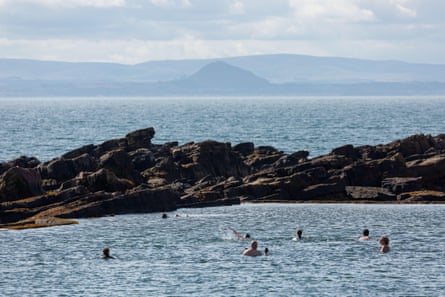
Off the stunning south coast of Pembrokeshire, accessible by a short boat trip from the colourful harbour town of Tenby, lies Caldey Island. This tranquil haven has been a site of monastic life since the sixth century, offering a unique blend of spiritual heritage, breathtaking natural beauty, and a thriving contemporary community. Today, the Cistercian order of monks who reside here continue a tradition of quiet contemplation and self-sufficiency, becoming almost as well known for their exquisite chocolate and lavender perfume-making as for their vow of nightly silence and commitment to minimal speech during the day.
The 20-minute boat journey from Tenby is an experience in itself, offering panoramic views of the Welsh coastline before arriving at this car-free island. Upon disembarking, visitors are immediately enveloped by a sense of peace and timelessness. Well-maintained paths wind through lush woodlands, along dramatic cliff-tops offering spectacular sea views, and down to the soft sands of Priory Beach, an idyllic spot for relaxation. A visit to the working lighthouse provides insight into maritime history, while the chocolate and fudge kitchen offers tempting treats, handmade by the monks.
This summer, Caldey Island has enhanced its visitor experience with several new additions. A natural play area provides an engaging space for younger visitors, harmoniously integrated into the island’s environment. The new Monastic Story Hall offers an immersive journey through the island’s rich history, charting the arrival of the first monks in the sixth century and exploring the daily rhythms and spiritual significance of monastic life through the centuries. The hall also highlights the island’s unique wildlife, underscoring its importance as a sanctuary for various species. Caldey Island is home to a distinctive ecosystem, providing refuge for red squirrels, hedgehogs, and a significant breeding colony of Manx shearwaters, along with common sightings of seals in the surrounding waters.