Nila Kartika Wati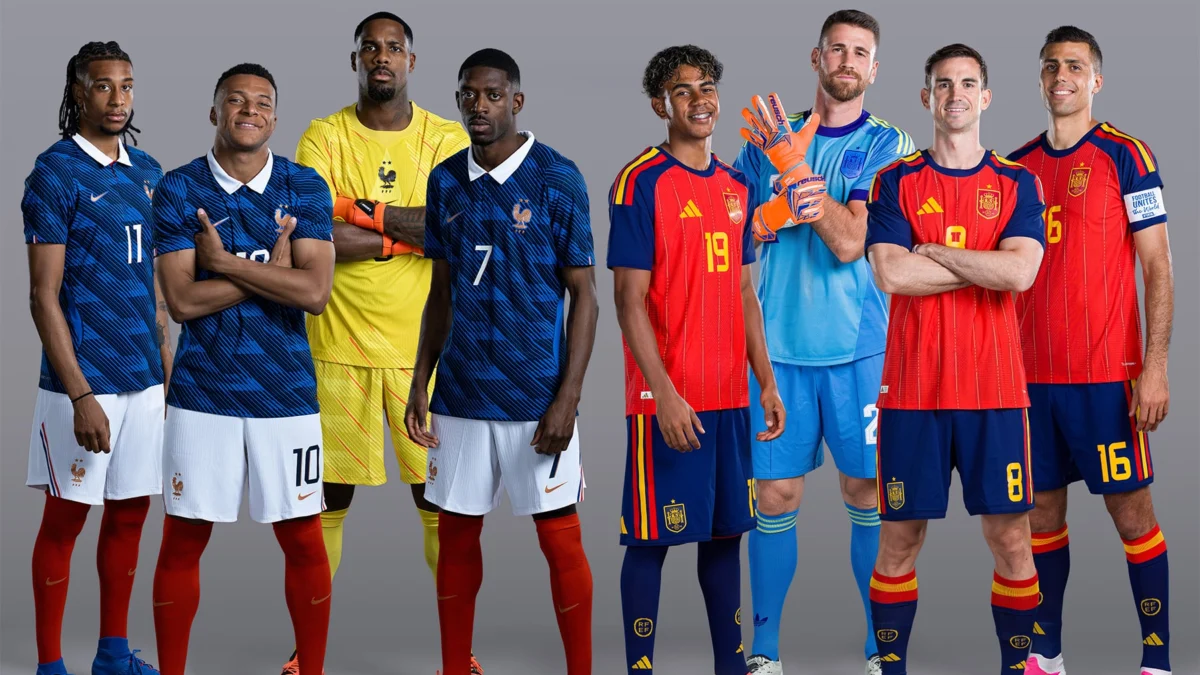
As the FIFA World Cup enters its climactic final week, a familiar narrative unfolds on the global sporting stage: the enduring dominance of Nike and Adidas. These two titans of the sportswear industry have once again emerged as the sole remaining apparel partners for the teams vying for football’s ultimate prize. This dual presence underscores their deep-rooted strategic investments in international football, their formidable brand equity, and their unwavering commitment to sponsoring top-tier athletic talent and events. The stakes, for both the brands and the nations represented, are exceptionally high, transcending mere product placement to encompass national pride, global brand perception, and significant commercial opportunities.
The Pinnacle of Global Sportswear Sponsorship
The FIFA World Cup stands as the most-watched sporting event globally, attracting billions of viewers across continents. For sportswear manufacturers, it represents an unparalleled platform to showcase their products, connect with consumers on an emotional level, and solidify their brand identity. Nike and Adidas have long recognized this potential, strategically investing vast resources over decades to secure prominent positions within the football ecosystem. Their continued presence in the final stages of the tournament is not an accident but the culmination of meticulously planned sponsorship deals, athlete endorsements, and grassroots development programs.
Historically, the World Cup has been a battleground for these two brands. The journey from the initial group stages to the final showcases which brands have successfully aligned themselves with teams that possess the pedigree and performance to advance. This year, as the tournament narrows down to its decisive matches, the spotlight intensifies on the remaining contenders and, by extension, their official kit suppliers. The visual presence of Nike and Adidas logos on the jerseys of teams competing for glory resonates with a global audience, influencing purchasing decisions and reinforcing brand loyalty.
A Legacy of Football Engagement
Nike’s foray into football sponsorship gained significant traction in the late 20th century, challenging Adidas’s long-held dominance. Adidas, with its German heritage, has been intrinsically linked to the sport for much of its existence, having supplied kits for World Cup-winning teams on multiple occasions. Nike, however, rapidly ascended through aggressive marketing, high-profile athlete endorsements (most notably with Brazilian legend Ronaldo in the late 1990s), and a focus on innovation and performance-driven designs.
This year’s tournament follows a consistent pattern of these two brands dominating the landscape. While other sportswear companies, such as Puma, New Balance, and Umbro, also have sponsorships with national teams, they have not historically maintained a presence at the very apex of the competition in the final week. The financial commitment required to sponsor national federations, secure prime advertising slots during matches, and run comprehensive marketing campaigns during such a high-stakes event is substantial, and Nike and Adidas are uniquely positioned to bear these costs and reap the rewards.
The Road to the Final: A Statistical Snapshot
As the tournament progresses, the data surrounding team performance and brand association becomes increasingly significant. While specific data for this year’s World Cup final week is not yet finalized, historical trends offer valuable insights. Typically, the nations that reach the latter stages of the World Cup are those with strong footballing traditions, established player academies, and robust national team structures. These are precisely the countries that Nike and Adidas strategically target for their most lucrative sponsorship agreements.
For instance, over the past several World Cups, teams frequently seen in the semi-finals and finals have included traditional powerhouses like Brazil, Argentina, Germany, Italy, France, and Spain. These nations often have long-standing partnerships with either Nike or Adidas. The continued progression of teams aligned with these brands validates their scouting, investment, and product development strategies. A team’s success on the field directly translates into amplified brand visibility and positive association for its apparel sponsor.
Broader Impact and Implications for the Sportswear Industry
The presence of Nike and Adidas as the sole remaining brands in the World Cup final week has several key implications for the broader sportswear industry and the business of football:
- Market Dominance and Brand Equity: This outcome reinforces the market dominance of Nike and Adidas in the global football apparel sector. Their ability to consistently align with successful teams validates their brand equity and strengthens their position as market leaders. Consumers associate winning with these brands, which can translate into increased sales of replica kits, training gear, and lifestyle apparel.
- Sponsorship Strategy Validation: For Nike and Adidas, this success serves as a powerful validation of their long-term sponsorship strategies. The immense investment in national team federations, individual player endorsements, and comprehensive marketing campaigns during the World Cup period is proven to be a highly effective, albeit expensive, method of achieving global brand penetration and influence.
- Competitive Landscape: While Nike and Adidas continue to lead, the performance of other brands in reaching the final stages is a point of interest. The lack of other major sportswear manufacturers in the final week highlights the significant barrier to entry and the entrenched nature of the current duopoly. However, it also presents an opportunity for these brands to analyze the strategies of the leaders and identify areas for future growth and investment.
- Consumer Engagement and Sales: The visibility of teams in the final week directly impacts consumer purchasing behavior. Fans of the competing nations, as well as general football enthusiasts, often purchase replica jerseys of their favored teams. The extended presence of Nike and Adidas in the latter stages ensures continued exposure and drives sales for both official merchandise and the brands’ broader product lines.
- Innovation and Technology Showcase: The World Cup is also a platform for sportswear brands to showcase their latest technological advancements in apparel design. From moisture-wicking fabrics to aerodynamic cuts and enhanced player performance features, the final week provides a prominent stage for these innovations to be observed by a global audience, further cementing the brands’ reputation for cutting-edge sportswear.
Future Outlook and Strategic Considerations
As the World Cup draws to a close, both Nike and Adidas will undoubtedly be analyzing the tournament’s outcomes to inform their future strategies. This includes evaluating the performance of their sponsored teams, the effectiveness of their marketing campaigns, and the evolving landscape of global football. The insights gained from this quadrennial event will shape their sponsorship decisions, product development cycles, and overall market positioning for years to come.
The continued success of Nike and Adidas in reaching the final stages of the World Cup is a testament to their sustained investment, strategic foresight, and deep understanding of the global football market. As the tournament concludes, the focus will shift to how these giants of the sportswear industry will leverage their performance on the pitch to further solidify their commanding presence in the world of sports. Their enduring rivalry and commitment to the beautiful game continue to shape the industry and inspire athletes and fans alike.