
 Reynand Wu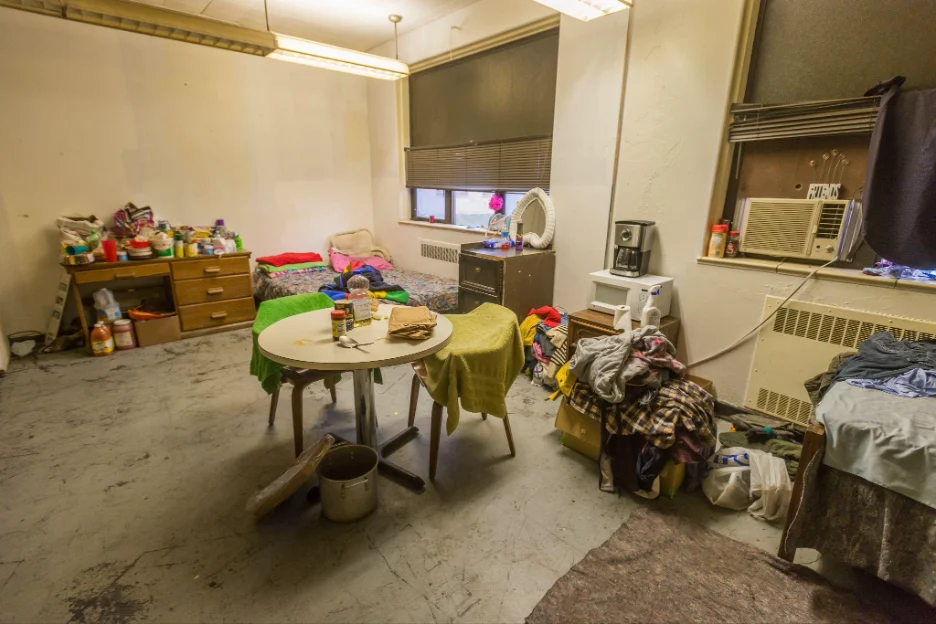
Migrant labor forms the indispensable backbone of U.S. agriculture, a constant and essential force that ensures food security for the nation. Despite their critical role, the individuals performing this arduous work often remain deliberately hidden, their lives relegated to the shadows. This invisibility is not merely social; it is profoundly spatial, enforced by housing practices that tuck dwellings behind dense groves, situate them far from public roads, or sequester them on private lands secured by locked gates. These locations are not only difficult for outsiders to access but also notoriously challenging for residents to leave, creating an environment ripe for isolation and control.
Reports from legal advocates, including accounts from paralegals working with immigration law firms, consistently highlight the grim realities faced by migrant workers. Many describe grueling schedules in fields and orchards, often working six or seven days a week under extreme conditions, only to return to dormitories far removed from community centers. These shared living spaces frequently lack fundamental privacy, comfort, or dignity. Workers are housed in tight quarters with shared beds, communal bathrooms, and often bare, inadequate kitchens, reflecting a stark contrast to the value of their labor.
The Deliberate Design of Invisibility and Control
The spatial arrangement of migrant housing is a critical component of a broader system designed to minimize visibility and maximize control over a vulnerable workforce. This pattern is evident across agricultural regions, from the fertile valleys of California to the farmlands of North Carolina. Photographic evidence from these areas often reveals rows of identical, spartan cabins, each containing narrow beds, small windows, and insufficient personal space. These images serve as more than mere documentation; they are tangible evidence of a structural system engineered to marginalize the very people who sustain it. The deliberate isolation of these housing sites makes it difficult for workers to access services, engage with the broader community, or even seek help, exacerbating their vulnerability.
Historically, the reliance on migrant labor in U.S. agriculture has roots stretching back centuries, evolving through various iterations from indentured servitude to guest worker programs like the Bracero Program (1942-1964). While the Bracero Program was officially discontinued, it established precedents for temporary foreign worker programs and the provision of employer-controlled housing, shaping the landscape of agricultural labor that persists today. The cyclical nature of agricultural production, with its intense, seasonal demand for labor, necessitates a flexible workforce. For many farmers, providing housing is seen as a practical necessity to attract and retain workers, especially in remote areas where affordable alternatives are scarce. However, this necessity has often morphed into a mechanism of control, where the employer’s provision of shelter is inextricably linked to employment.
Economic Realities and Regulatory Frameworks
U.S. agriculture is a multi-billion dollar industry heavily dependent on migrant farmworkers, who comprise an estimated 10-15% of the total agricultural workforce, numbering over 2 million individuals, with many undocumented. Their labor contributes significantly to the nation’s food supply and economy, yet they remain among the lowest-paid and most exploited workers. According to the Economic Policy Institute, farmworkers often earn wages significantly below the poverty line, with median annual incomes ranging from $17,500 to $19,999. The economic pressures on farmers, driven by market fluctuations, commodity prices, and labor costs, often translate into a drive to minimize expenses, sometimes at the expense of worker welfare.
Federal and state regulations exist to govern migrant farmworker housing, primarily under the purview of the Occupational Safety and Health Administration (OSHA) and the Department of Labor (DOL) through the Migrant and Seasonal Agricultural Worker Protection Act (MSPA). These regulations set minimum standards for space, sanitation, ventilation, and safety. For instance, OSHA’s Temporary Labor Camps standard (29 CFR 1910.142) outlines requirements for water supply, sewage disposal, sleeping facilities, and cooking arrangements. However, enforcement is often challenging due to several factors: the transient nature of the workforce, the remote location of many camps, understaffing of regulatory agencies, and the fear of retaliation among workers.
The structural problem inherent in employer-provided housing becomes glaringly apparent when workers attempt to voice concerns. Any complaint, no matter how legitimate, carries significant risk. Speaking up can lead not only to job loss but also to the immediate loss of housing, potentially triggering a cascade of devastating consequences, including homelessness, economic instability, and for undocumented workers, the heightened risk of deportation. This dynamic severely limits worker autonomy and effectively silences dissent, reinforcing the power imbalance.
Sociological Perspectives: Space as a Tool of Control
Sociology offers a robust framework for understanding that the substandard conditions in migrant housing are not merely isolated incidents of "bad housing structure" but rather symptomatic of a deeply entrenched structural problem. Conflict theory, a foundational sociological perspective, posits that societal development and change are driven by struggles over power and resources. In the context of migrant labor, this struggle is overtly manifest in the very organization and control of housing.
As articulated by critical theorists like Henri Lefebvre in "The Production of Space," space is not a neutral container but is actively and socially produced. This "social production" implies that the physical environment—the layout of a room, the distance between dwellings, the design of a building—is shaped by those in authority to determine how people live. This shaping is rarely driven by considerations of comfort, fairness, or optimal function for the inhabitants. Instead, the arrangement and social production of space inherently reflect the interests of those who wield control. The seemingly arbitrary shape of a room or the isolated location of a camp are, in fact, carefully designed elements that reflect and reinforce existing power relationships.
Similarly, Michel Foucault’s analysis in "Discipline and Punish: The Birth of the Prison" illustrates how institutions utilize architecture and spatial organization to enforce discipline and control. In migrant housing, space overtly signals control without the need for overt coercion like bars or guards. The buildings are often designed to meet only the absolute minimum legal standards for shelter, a standard that, as many reports indicate, barely surpasses the allowances for a prison cell. This architecture subtly yet profoundly dehumanizes its occupants. By stripping away privacy, comfort, and personal space, the physical environment itself becomes a powerful instrument of control, dictating behavior and limiting freedom.
The lived experience of this control is palpable. Workers describe bunks so close that they can hear every breath of their neighbors, strict rules governing visitors, meal times, and noise levels. Married couples are sometimes separated, unable to live together in the provided housing. This constant surveillance, real or perceived, fosters an pervasive atmosphere of fear and silence. Workers feel monitored, their homes are not truly their own, and the system ensures they understand this fundamental lack of ownership and agency.
Broader Implications: Health, Human Rights, and Social Justice
The implications of this housing crisis extend far beyond individual discomfort. It poses significant public health risks. Overcrowded and unsanitary conditions are breeding grounds for infectious diseases, as seen during the COVID-19 pandemic, where farmworker communities experienced disproportionately high infection rates. Lack of access to clean water, proper waste disposal, and adequate nutrition further exacerbates health vulnerabilities. Mental health also suffers, with isolation, lack of privacy, and constant fear contributing to high rates of stress, anxiety, and depression among migrant workers.
From a human rights perspective, the conditions often violate fundamental rights to adequate housing, privacy, and freedom of movement. The inability to leave employer-provided housing without risking employment creates a form of coercive dependency that borders on modern slavery, limiting workers’ ability to seek better opportunities or redress grievances. This systemic dehumanization not only impacts the workers directly but also chips away at the foundational principles of social justice and equity within society.
Furthermore, the "invisibility" of farmworkers has broader societal consequences. It allows consumers to remain disconnected from the human cost of their food, hindering public awareness and political will for reform. By keeping this essential workforce out of sight and out of mind, society avoids confronting the ethical dilemmas embedded in its agricultural supply chain.
A Call for Visibility and Systemic Change
The systemic issues plaguing migrant farmworker housing demand urgent attention. This is not merely a housing crisis; it is a deliberate labor strategy designed to maintain a cheap, flexible, and easily controllable workforce. These camps are not temporary accidents but rather long-term, structurally embedded solutions to a problem that many in power have been reluctant to genuinely address.
As scholars, policymakers, and citizens, it is imperative that these designs and their underlying power dynamics are brought into the light. Enhanced regulatory enforcement, with increased funding for labor agencies and stronger penalties for violations, is a crucial first step. Policy reforms that decouple housing from employment, perhaps through independent, non-employer-controlled housing options or robust housing vouchers, could empower workers and reduce their vulnerability. Advocacy groups, legal aid organizations, and community organizers play a vital role in documenting abuses, providing support, and pushing for legislative changes.
Ultimately, addressing this crisis requires a fundamental shift in societal perspective—recognizing migrant farmworkers not as invisible labor units but as essential human beings deserving of dignity, fair treatment, and safe, humane living conditions. We cannot hope to change what we refuse to see, and the path forward begins with illuminating the hidden realities of those who feed our nation.









