
 Ronny Sianturi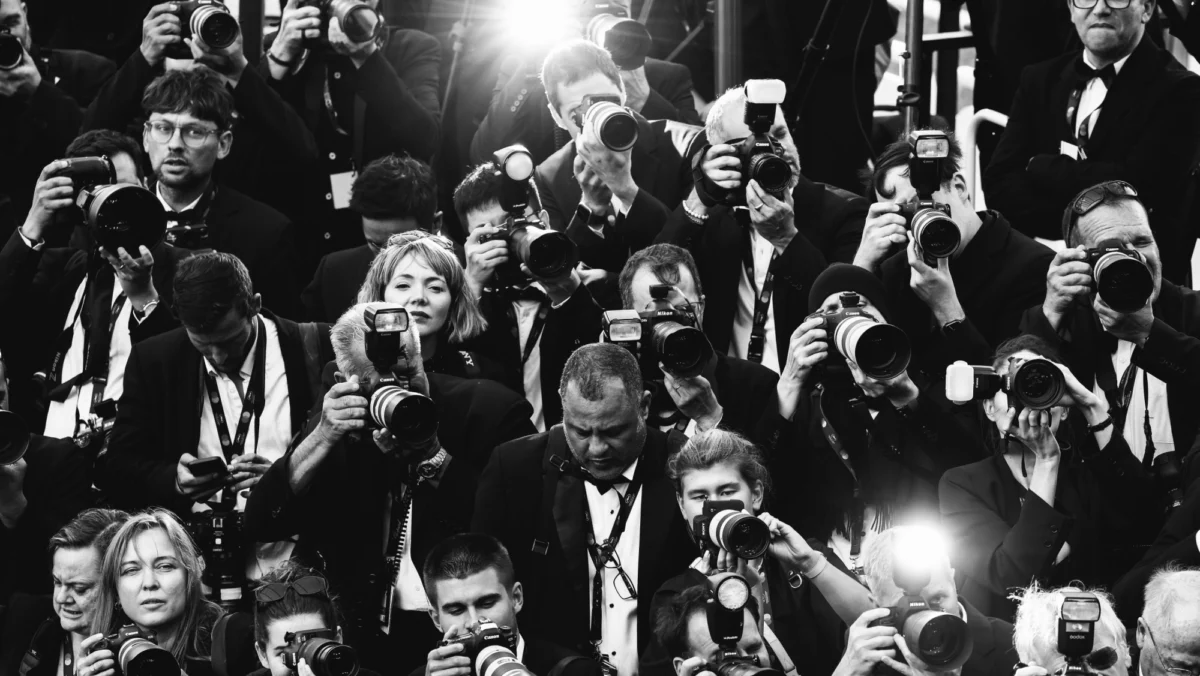
The highly anticipated $3.7 billion merger between visual content giants Getty Images and Shutterstock has been definitively called off, a casualty of stringent regulatory intervention by the United Kingdom’s Competition and Markets Authority (CMA). The decision, announced by Getty Images on Tuesday, marks a significant setback for both companies and underscores the growing influence of global regulatory bodies in shaping major corporate consolidation efforts, particularly within the media and technology sectors.
Getty Images, under the leadership of CEO Craig Peters, revealed that its board of directors had unanimously resolved to terminate the merger agreement. The primary catalyst for this abrupt end was the CMA’s demand that Shutterstock divest its editorial business as a condition for approving the deal. Getty’s board deemed this requirement an insurmountable obstacle, effectively rendering the merger non-viable. This conclusion was formally communicated in a regulatory filing with the U.S. Securities and Exchange Commission (SEC) on the same day. In the wake of this development, Getty Images has indicated its intention to engage a financial advisor to explore "strategic financing alternatives" as it charts its future course.
The proposed union of Getty Images and Shutterstock aimed to create a dominant force in the global marketplace for stock photography, video, and other visual assets. Getty Images, a renowned provider of wire service images and video to media outlets and businesses worldwide, plays a crucial role in documenting major events, including red carpet premieres and film festivals. Shutterstock, boasting an expansive library of approximately 450 million photos, presented a complementary offering, and their combined entity was projected to achieve significant cost synergies, estimated between $150 million and $200 million within three years of integrating their operations. The envisioned combined company would have been helmed by Craig Peters.
Regulatory Headwinds and a Shifting Landscape
The collapse of the Getty-Shutterstock deal serves as a potent illustration of the formidable power wielded by the UK’s top regulatory authority. The CMA’s intervention highlights its capacity to significantly alter the terms of a proposed merger or, as in this case, force its outright cancellation. This development resonates with broader concerns within Hollywood regarding the consolidation of media assets, especially in light of ongoing discussions surrounding David Ellison’s ambitious efforts to consolidate major film studios.
The UK’s proactive stance on media competition was further underscored earlier in June. On June 30th, Lisa Nandy, the UK Secretary of State for Culture, Media and Sport, signaled the British government’s potential willingness to intervene in significant media transactions. Specifically, she indicated that the government might scrutinize Paramount’s proposed $111 billion takeover of Warner Bros. Discovery. Nandy stated that the subsequent step would involve the CMA assessing whether a "relevant merger situation has been created, and any impact this may have on competition."
In response to these regulatory discussions, a representative for Paramount expressed confidence in the proposed transaction’s trajectory. "We are grateful for the continued constructive engagement with all interested government bodies and relevant authorities, including in the UK," the spokesperson commented. "We are confident that our proposed transaction does not pose any media plurality issues in the UK and remain confident in our stated transaction timeline." The CMA has formally initiated its review of the Paramount deal, with a deadline for its ruling set for August 7th.
A Divergent Path for Getty Images
The abrupt end to the Shutterstock merger comes at a pivotal moment for Getty Images, which has recently embarked on a significant strategic partnership with OpenAI. Days before the merger’s demise, Getty Images announced a landmark agreement to license its extensive library for use across OpenAI’s ChatGPT platform. This move signals Getty Images’ pivot towards embracing and integrating with emerging artificial intelligence technologies, a stark contrast to the consolidation strategy represented by the proposed Shutterstock merger. The initial merger agreement with Shutterstock, unveiled in January, was conceived during a period when both companies were actively grappling with the burgeoning landscape of AI-generated content. Getty’s latest alliance with OpenAI suggests a proactive approach to navigating this evolving digital frontier.
Background and Context of the Deal
The initial announcement of the proposed merger between Getty Images and Shutterstock in January 2024 sent ripples through the visual content industry. The rationale behind the $3.7 billion deal was to create a more streamlined and efficient marketplace for visual assets. Getty Images, a publicly traded company (NYSE: GETY), and Shutterstock, a privately held entity, were both established players with vast archives and global reach. The merger was intended to leverage their combined strengths, offering a more comprehensive suite of services to a diverse clientele ranging from independent creators to major corporations.
The projected cost synergies were a significant driver for the deal, promising substantial operational efficiencies. By consolidating their back-end infrastructure, marketing efforts, and technology platforms, the merged entity anticipated reducing overhead and enhancing profitability. The vision was to build a more robust and agile company capable of meeting the evolving demands of the digital media landscape, including the increasing need for high-quality video content and the integration of advanced search and discovery tools.
The Role of the CMA and Global Regulatory Trends
The UK’s Competition and Markets Authority (CMA) has become an increasingly assertive regulator in recent years, demonstrating a keen interest in preventing market concentration that could stifle competition or harm consumers. Its scrutiny of mergers and acquisitions extends across various sectors, with a particular focus on digital markets and media. The CMA’s intervention in the Getty-Shutterstock deal is not an isolated incident but rather part of a broader trend of global regulators taking a more proactive stance on large-scale corporate mergers.
The CMA’s decision to demand the divestiture of Shutterstock’s editorial business likely stemmed from concerns that the combined entity would hold excessive market power in this specific segment. Editorial imagery, often used by news organizations and publishers, represents a distinct market with its own set of dynamics and competitive pressures. The CMA may have concluded that removing Shutterstock’s editorial arm would preserve a necessary level of competition in this crucial area, preventing the merged company from dictating terms or limiting choices for news providers.
Broader Implications for the Visual Content Industry
The termination of the Getty-Shutterstock merger has several significant implications for the broader visual content industry:
- Continued Competition: The market for stock imagery and video will remain highly competitive, with Getty Images and Shutterstock continuing to operate as independent entities. This ensures a diverse range of options for consumers and may drive innovation as both companies strive to differentiate themselves.
- Focus on AI Integration: Getty Images’ strategic pivot towards AI, exemplified by its partnership with OpenAI, suggests a growing trend within the industry. Companies are increasingly exploring how to leverage artificial intelligence for content creation, licensing, and distribution, while also addressing the legal and ethical implications of AI-generated imagery.
- Regulatory Vigilance: The CMA’s intervention serves as a strong signal to other major players in the digital and media sectors. Companies pursuing large-scale mergers will need to anticipate and meticulously address potential regulatory concerns, particularly regarding market power and competition.
- Strategic Realignments: For both Getty Images and Shutterstock, the failed merger necessitates a strategic reassessment. Getty’s exploration of "strategic financing alternatives" suggests a potential pursuit of different growth avenues, which could include organic expansion, smaller acquisitions, or new partnerships. Shutterstock, now free from the merger obligation, will also need to define its future strategic direction.
- Impact on Creative Professionals: The continued independence of these major platforms means that creative professionals will likely continue to have a choice between different licensing models and pricing structures. The competitive landscape could also influence the types of content that are prioritized and licensed.
The collapse of the $3.7 billion Getty Images-Shutterstock merger, driven by the UK regulator’s intervention, underscores the evolving landscape of global corporate consolidation. As regulatory bodies worldwide sharpen their focus on market power and competition, companies seeking to merge must navigate an increasingly complex and scrutinizing environment. For Getty Images, this development marks a significant shift in strategy, leading it to explore new avenues for growth, including a notable embrace of artificial intelligence technologies.








