Jono Maryono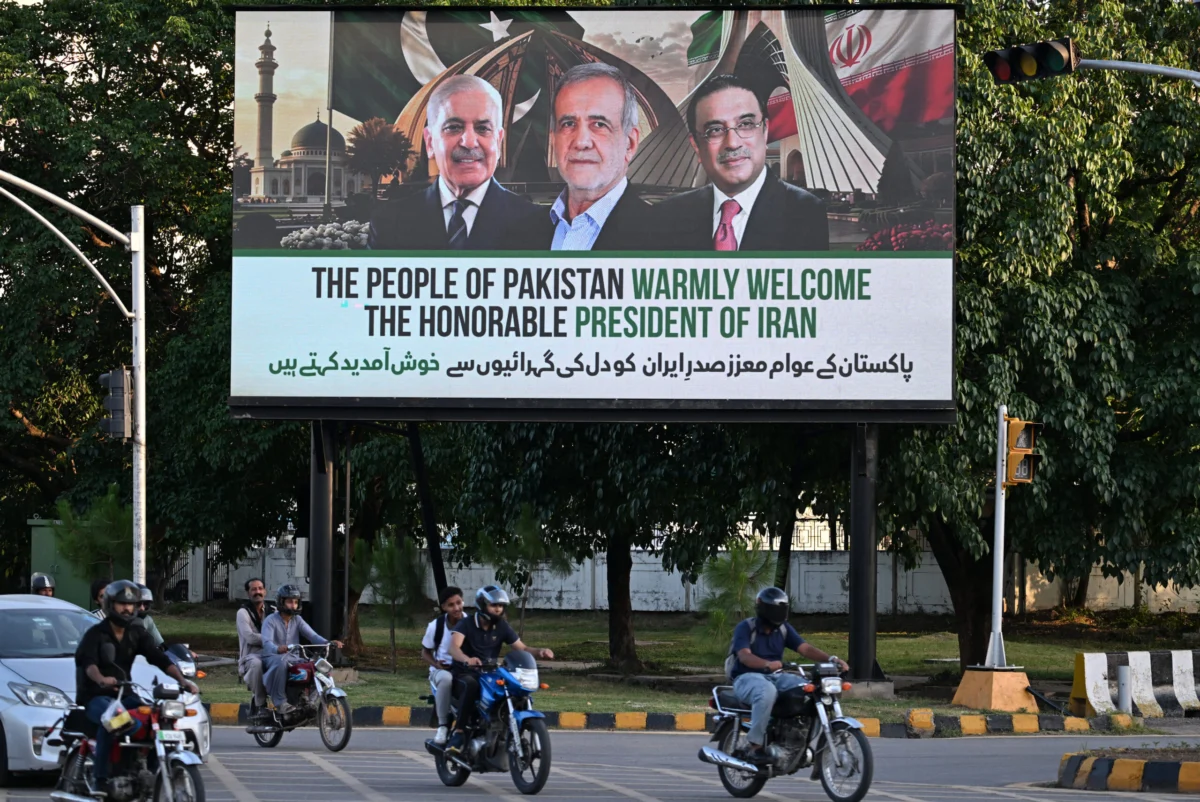
The United States has announced a significant diplomatic development, stating that new decisions have been made following Iran’s commitment to permit international nuclear inspections. This memorandum of understanding (MoU) between the two nations, which have a decades-long history of animosity, is being hailed by some as a “golden opportunity” to de-escalate regional tensions and foster a new era of engagement. However, observers caution that the path forward remains complex, with deep-seated mistrust and geopolitical realities continuing to shape the relationship.
A Fragile Détente: Background and Context
The announcement comes at a critical juncture for both Iran and the international community. Iran, under its new President Masoud Pezeshkian, has been signaling a desire for a less confrontational foreign policy. Pezeshkian’s recent visit to Pakistan, where he met with Prime Minister Shehbaz Sharif and President Asif Ali Zardari, underscores this renewed focus on regional diplomacy. The image displayed on an electronic board in Islamabad, featuring the leaders of Iran and Pakistan, captures the evolving landscape of the region, with the US-Iran dialogue forming a crucial backdrop to these interactions.
The history of US-Iran relations is fraught with significant challenges. Following the 1979 Iranian Revolution, diplomatic ties were severed, and a deep ideological divide has characterized their interactions for over four decades. Key flashpoints have included Iran’s nuclear program, its support for regional militant groups, and the US’s imposition of extensive sanctions. The Joint Comprehensive Plan of Action (JCPOA), the landmark nuclear deal negotiated in 2015, offered a period of cautious optimism, but its collapse following the US withdrawal in 2018 plunged relations back into a state of deep suspicion and confrontation.
The commitment to allow international nuclear inspections, as referenced in the US statement, is a critical element of any potential rapprochement. For years, the international community, particularly the International Atomic Energy Agency (IAEA), has sought assurances regarding the peaceful nature of Iran’s nuclear activities. Iran’s willingness to facilitate these inspections, if upheld and robustly implemented, could be a significant step towards rebuilding trust and verifying compliance with international norms.
The MoU: A Diplomatic Breakthrough?
While specific details of the MoU have not yet been fully disclosed, the US assertion that it follows Iran’s commitment to inspections suggests a quid pro quo. This implies a potential easing of certain sanctions or a renewed engagement on other fronts in exchange for enhanced transparency and verification of Iran’s nuclear program. Such an agreement, if comprehensive and verifiable, could address a core concern of the international community and potentially unlock avenues for broader cooperation.
The term “golden opportunity” used by former Iranian negotiator Daniel Khalili-Tari, as indicated in the article’s metadata, highlights the perceived significance of this development. This suggests that within certain circles in Iran, there is an understanding that this moment represents a critical chance to break free from a cycle of isolation and confrontation. The implication is that a sustained period of hostility has imposed significant economic and political costs on Iran, and a shift towards diplomacy could offer a path to recovery and reintegration into the global community.
Timeline of Key Developments (Inferred and Contextual)
- 1979: Iranian Revolution leads to the severing of US-Iran diplomatic ties.
- 2002: Discovery of Iran’s undeclared nuclear facilities sparks international concern.
- 2013: Hassan Rouhani elected President of Iran, signaling a potential shift towards diplomacy.
- 2015: Joint Comprehensive Plan of Action (JCPOA) signed, aimed at curbing Iran’s nuclear program in exchange for sanctions relief.
- 2018: US withdraws from the JCPOA under President Donald Trump and reimposes stringent sanctions.
- 2021-2022: Indirect negotiations between the US and Iran aimed at reviving the JCPOA face significant obstacles.
- June 2026 (approximate): President Masoud Pezeshkian of Iran signals a renewed interest in regional diplomacy.
- June 22, 2026: President Pezeshkian visits Pakistan, engaging in discussions with Prime Minister Shehbaz Sharif and President Asif Ali Zardari.
- June 23, 2026: US announces new decisions following Iran’s commitment to international nuclear inspections, implying the signing or agreement on a Memorandum of Understanding (MoU).
Supporting Data and Analysis
The economic impact of US sanctions on Iran has been substantial. Following the reimposition of sanctions in 2018, Iran’s oil exports, a critical source of revenue, plummeted. The Iranian rial depreciated significantly, leading to high inflation and a decline in living standards for many citizens. Estimates suggest that the economy contracted by over 6% in 2018 and continued to face significant headwinds in the subsequent years. A diplomatic breakthrough that leads to sanctions relief could provide a much-needed economic stimulus, potentially leading to increased foreign investment, job creation, and improved access to essential goods and services.
Furthermore, the regional security implications of a less confrontational US-Iran relationship are profound. The Middle East has been a theater of proxy conflicts and heightened tensions for decades, with Iran and its adversaries often finding themselves on opposing sides. A de-escalation between Tehran and Washington could have a ripple effect, potentially easing tensions in countries like Yemen, Syria, and Iraq, where these geopolitical rivalries have played out with devastating consequences.
The commitment to international nuclear inspections is a cornerstone of global non-proliferation efforts. The IAEA, in its latest reports, has consistently called for greater transparency and access to Iranian nuclear facilities. Iran’s cooperation in this regard would not only address immediate concerns but also contribute to a broader framework of trust and verification, crucial for long-term regional and global security. The technical aspects of such inspections involve a complex array of on-site monitoring, data analysis, and verification protocols designed to ensure that nuclear materials are not diverted for military purposes.
Reactions and Future Implications
While the US has made a public statement, official reactions from Iran are still emerging, and it is crucial to monitor their pronouncements closely. The Iranian government, under President Pezeshkian, has a mandate to improve the lives of its citizens, and economic relief coupled with a less hostile international environment would likely be welcomed by a significant portion of the population. However, hardline factions within Iran may view any move towards accommodation with the US with suspicion, potentially creating internal political friction.
The international community, including key European allies who were signatories to the JCPOA, will be watching this development with keen interest. A successful implementation of the MoU could pave the way for broader diplomatic engagement and potentially a revival of multilateral efforts to address regional security challenges. Conversely, any backtracking or failure to uphold commitments could quickly erode any goodwill generated, plunging the relationship back into uncertainty.
The implications of this potential shift extend beyond bilateral relations. A more stable US-Iran dynamic could influence energy markets, as Iran’s ability to export oil is directly tied to its relationship with the international community. It could also impact regional alliances and the ongoing efforts to resolve protracted conflicts. The path from an MoU to sustained peace and cooperation is long and arduous, but the current developments suggest that a critical, albeit fragile, step has been taken. The coming months will be crucial in determining whether this “golden opportunity” can indeed lead to a lasting transformation in one of the world’s most complex geopolitical relationships.