
 Reynand Wu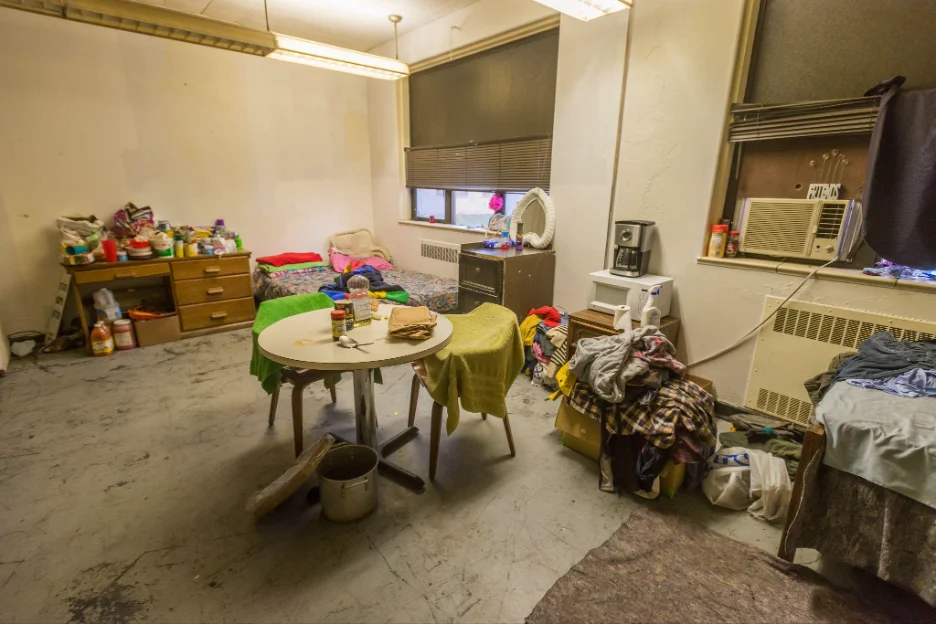
Migrant labor forms the bedrock of American agriculture, an essential and constant force that ensures food security across the nation. Yet, the individuals performing this vital work largely remain hidden, their contributions obscured by a deliberate, spatially engineered invisibility. This concealment is not merely social; it is deeply embedded in the physical landscape, with employers strategically locating worker housing behind dense groves, far from public roads, or on private land secured by locked gates. These isolated sites are difficult for workers to access, but more critically, they are equally challenging to leave, trapping residents in a cycle of isolation and dependence.
Historical Roots of a Systemic Issue
The reliance on migrant labor in American agriculture is not a recent phenomenon but a deeply ingrained historical pattern. Following the abolition of slavery, the U.S. agricultural sector transitioned to various forms of seasonal, often exploitative, labor. The early 20th century saw waves of Mexican, Filipino, and other immigrant laborers, alongside internal migrants like those fleeing the Dust Bowl, forming the backbone of farm work. Programs such as the Bracero Program (1942-1964) formalized the importation of Mexican agricultural workers, setting a precedent for employer-controlled labor and housing arrangements that continue to influence modern practices.
Today, the H-2A temporary agricultural program is the primary legal pathway for foreign agricultural workers to enter the U.S. While intended to fill labor shortages, the program has been criticized by labor advocates for creating a vulnerable workforce. Under H-2A, employers are required to provide housing, transportation, and often meals, which, while seemingly beneficial, can paradoxically increase workers’ dependence on their employers. This structure often means that a worker’s shelter is directly tied to their employment, making any complaint or dispute a potential threat to their housing security, their job, and, for many, their legal status in the country. This historical trajectory illustrates how the current system, far from being an anomaly, is a meticulously constructed edifice built upon decades of policy and practice designed to secure a flexible, low-cost labor force.
The Spatial Dimension of Invisibility: Housing as a Control Mechanism
The physical arrangement of migrant housing serves a dual purpose: it minimizes public awareness of the conditions faced by farmworkers and simultaneously maximizes employer control. From Metro Detroit to the agricultural heartlands of California and North Carolina, the descriptions from paralegals and workers paint a consistent picture. Workers endure grueling days in fields or orchards, often six or seven days a week, battling extreme heat, and return to dormitories or cabins situated far from towns or public services. These shared spaces frequently lack basic privacy, comfort, or dignity. Accounts describe communal bathrooms, often sparse kitchens, and shared beds in tight quarters, reminiscent of institutional living rather than private residences.
Photographic evidence from various regions corroborates these narratives, showing rows of identical cabins with narrow beds and small windows, offering minimal personal space. These images are more than mere documentation; they are stark evidence of a system deliberately designed to render an essential workforce invisible and, by extension, voiceless. The isolation of these sites exacerbates workers’ vulnerability, limiting their access to legal aid, community support, or even basic amenities, further entrenching their dependence on employers for every aspect of their daily lives.
Life on the Margins: Daily Realities and Health Impacts
The physical demands of agricultural labor are immense. Farmworkers often engage in repetitive, strenuous tasks for long hours under harsh environmental conditions, including extreme heat, cold, and exposure to pesticides and other chemicals. This physically taxing work, coupled with inadequate housing, creates a potent recipe for chronic health issues. Studies by organizations like the Migrant Clinicians Network consistently highlight high rates of heat-related illnesses, musculoskeletal injuries, respiratory problems due to pesticide exposure, and skin conditions among farmworkers. Mental health challenges, including depression and anxiety, are also prevalent, stemming from isolation, stress, financial insecurity, and the fear of retaliation.
The lack of privacy and comfort in housing further degrades their quality of life. Shared living spaces, often with multiple individuals per room or even per bed, prevent adequate rest and contribute to the spread of infectious diseases. Access to nutritious food is often limited by meager wages and the absence of proper cooking facilities. The median annual income for farmworkers is significantly below the federal poverty line, often leaving them unable to afford better housing options even if they were available, reinforcing their reliance on employer-provided, substandard accommodation. For families, the challenges are compounded, as children growing up in these environments often face disrupted schooling and limited access to healthcare and social services, perpetuating a cycle of poverty and disadvantage.
Legal Frameworks and Loopholes: A Regulatory Maze
Federal and state laws exist to regulate migrant farmworker housing, with agencies like the Occupational Safety and Health Administration (OSHA) and state Departments of Labor setting minimum standards for sanitation, space, and safety. For instance, federal regulations for H-2A housing stipulate requirements for sleeping facilities, cooking and eating areas, bathing facilities, and laundry. However, enforcement of these regulations remains a significant challenge. The remote locations of many housing sites make inspections difficult, and understaffed regulatory bodies often struggle to conduct comprehensive oversight.
Furthermore, the "minimum legal standard" often falls far short of providing humane or dignified living conditions. Critics argue that these standards are often interpreted loosely and provide little incentive for employers to invest in significantly better housing. The fear of reprisal, including job loss, eviction, or deportation, often deters workers from reporting violations, effectively silencing complaints and allowing substandard conditions to persist. This creates a regulatory maze where protections exist on paper but are frequently circumvented or unenforced in practice, leaving workers vulnerable.
The Power Imbalance: Employer Control and Worker Vulnerability
The core of the issue lies in the profound power imbalance between agricultural employers and migrant workers. When an employer controls not only the job but also the housing, every grievance becomes a risk. Speaking up about poor conditions, unfair wages, or abusive treatment can lead not only to the loss of employment but also immediate eviction, leaving workers homeless and potentially facing deportation. This inherent vulnerability severely limits workers’ autonomy and acts as a powerful deterrent against organizing or advocating for their rights. The fewer choices a person has, the easier it is to control them.
Advocacy groups like the United Farm Workers (UFW) and the Farmworker Justice often highlight this vulnerability, documenting cases where workers are threatened or retaliated against for attempting to improve their living or working conditions. They argue that tying housing directly to employment creates a modern form of indentured servitude, where workers are effectively beholden to their employers for their basic survival needs. This system, while legal under current frameworks, often undermines fundamental human rights and creates an environment ripe for exploitation.
Sociological Lenses: Understanding the Structural Problem
Sociology provides crucial frameworks for understanding that this is not merely a collection of isolated instances of "bad housing structure," but a deeply entrenched structural problem.
Conflict Theory, a foundational sociological perspective, posits that society develops and changes based on struggles over power and resources. In the context of migrant labor, this struggle is glaringly visible in the organization and quality of housing. Agricultural employers, driven by economic imperatives to minimize costs and maximize profits, wield significant power over a vulnerable labor force. The provision of substandard, isolated housing is a direct manifestation of this power dynamic, designed to maintain control and suppress dissent, thereby securing cheap and compliant labor.
Building on this, Henri Lefebvre’s theory of the "Production of Space" offers profound insight. Lefebvre argued that space is not a neutral container but is actively produced by social, economic, and political forces. The arrangement of migrant housing — its hidden locations, its minimalist design, its communal nature — is not random or merely functional. It is a deliberate social production of space shaped by those who hold authority, reflecting their interests in control and cost-efficiency, rather than the comfort, fairness, or dignity of the residents. The shape of a room, the distance between housing units, and the overall layout of a facility are thus not innocent architectural choices; they are tangible expressions of power relationships.
Similarly, Michel Foucault’s analysis of how institutions use architecture to enforce discipline and control, particularly articulated in "Discipline and Punish," resonates strongly here. Migrant housing, though lacking the overt bars and guards of a prison, functions as a mechanism of disciplinary power. The buildings are often designed to meet only the bare minimum legal standards for shelter, a standard that, as observed by a paralegal, is barely above that allowed for a prison cell. This architecture subtly dehumanizes, stripping residents of privacy and personal space, and in doing so, it exerts a powerful form of control. The constant proximity to others, the strict rules about visitors, meals, and noise, and the inability of even married couples to live together, as recounted by workers, creates an atmosphere of constant monitoring and fear, reinforcing the message that these homes are not truly theirs. The system ensures this lack of ownership, both physical and psychological.
Economic Implications: The True Cost of Cheap Food
The existing system of migrant labor and its associated housing conditions have significant economic implications. By maintaining a vulnerable and low-cost labor force, U.S. agriculture can produce food at prices that benefit consumers and enhance the profitability of large agricultural corporations. However, this economic efficiency comes at a severe human cost. The externalized costs of poor health, limited educational opportunities, and social marginalization borne by migrant workers and their families are not reflected in the price of produce. This system essentially subsidizes the nation’s food supply through the exploitation of human labor and the degradation of living standards.
Consumer awareness of these conditions remains low, partly due to the spatial invisibility of the workers. Efforts to promote ethical sourcing and fair labor practices in agriculture, similar to movements in other industries, are gaining traction but face significant challenges in a complex supply chain. The question arises: what is the true cost of cheap food when it is paid for with human dignity and well-being?
Advocacy and Calls for Change: Illuminating the Hidden System
Recognizing the systemic nature of these issues, numerous labor unions, non-profit organizations, and human rights groups are actively working to advocate for migrant farmworkers. Their efforts include pushing for stronger enforcement of existing housing and labor laws, advocating for comprehensive immigration reform that protects workers’ rights, and promoting fair wage policies. They also work to provide direct services, such as legal aid, healthcare, and educational programs, to farmworker communities.
The insights from sociology underscore that this is not merely a "housing crisis" but a deliberate "labor strategy." These camps are not temporary accidents but long-term solutions to a problem that many in power have little incentive to fix. For scholars and citizens alike, the imperative is to bring these hidden designs to light. We cannot change what we do not see. Increased public awareness, coupled with robust regulatory oversight and strong advocacy, is essential to dismantle the invisible architecture of control and ensure that those who feed the nation can live with the dignity and respect they deserve. The struggle for justice in U.S. agriculture is an ongoing battle for visibility, autonomy, and fundamental human rights.









