Ronny Sianturi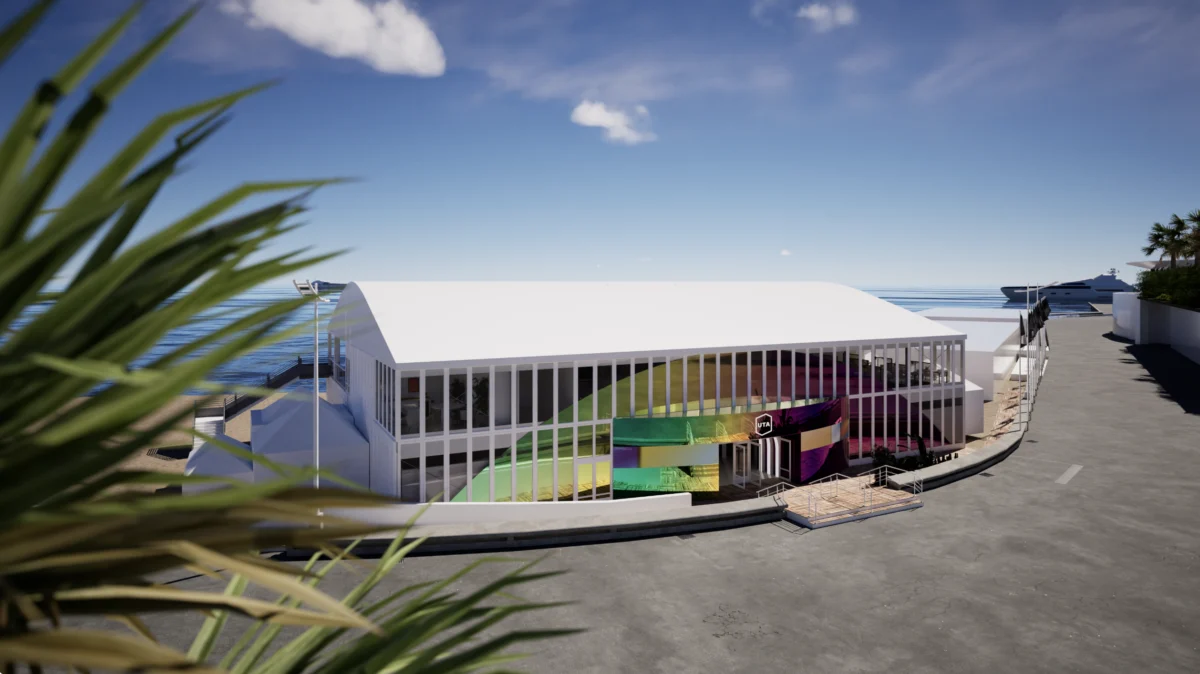
The annual Cannes Lions International Festival of Creativity, a global barometer for advertising, marketing, and brand innovation, is witnessing an unprecedented surge in the influence and presence of digital creators. This year, talent and brand advisory powerhouse United Talent Agency (UTA) is making its most significant mark to date with the debut of UTA Beach, a sprawling activation designed to serve as a premier creative nexus on the iconic Croisette. This strategic move underscores a profound industry-wide recognition of creators as pivotal forces shaping culture, commerce, and connection.
UTA Beach is poised to become a dynamic epicenter, bringing together over 120 of UTA’s esteemed clients from across the diverse spectrum of film, television, music, sports, news, and beyond. The impressive roster of talent descending upon Cannes includes globally recognized figures such as Priyanka Chopra Jonas, Paris Hilton, Ashley Graham, Alan Cumming, Karlie Kloss, Draymond Green, Janelle Monáe, Mike D, Kara Swisher, Adam Brody, will.i.am, Gunna, Johnny Harris, and JB Smoove. Their presence amplifies the festival’s embrace of multifaceted celebrity and influence, extending beyond traditional entertainment channels.
A cornerstone of UTA’s initiative is the inaugural Creator Lounge, a dedicated sanctuary designed to foster collaboration, relaxation, and professional engagement for more than 70 creator clients. This curated space will cater to a wide array of digital influencers specializing in sports, fashion, food, lifestyle, and news. Notable creators set to utilize this hub include Mel Robbins, Alex Cooper, Keith Lee, David Dobrik, Colin & Samir, Bran Flakezz, Katie Fang, Gstaad Guy, and Jubilee Media, among others. The lounge signifies a tangible investment in the infrastructure and support systems required by this burgeoning segment of the entertainment landscape.
The Evolving Landscape of Brand-Creator Partnerships
UTA CEO David Kramer articulated the agency’s strategic vision, stating, "UTA’s expanded presence at Cannes Lions reflects the evolution of our business and the opportunity we see at the intersection of talent, brands, and innovation. Every sector of our business will be represented; from creators, sports and brands to comedy, filmed entertainment and music, underscoring the breadth of expertise and perspective we bring to our clients and partners." This comprehensive approach acknowledges that in today’s media ecosystem, the lines between traditional and digital influence are increasingly blurred, and success hinges on a holistic understanding of audience engagement across all platforms.
Raina Penchansky, co-head of UTA Creators and CEO and co-founder of Digital Brand Architects, elaborated on the fundamental shift, explaining, "Fundamentally, there’s been a seismic shift in where audiences actually are now, and those audiences are driving purchasing, perception, zeitgeist, awareness – you name it. All of the key metrics are being shaped by the relationships that audiences are forming with brands and culture, and those relationships are largely being driven by creators." This sentiment encapsulates the core reason for the elevated status of creators at events like Cannes Lions. Audiences are no longer passively consuming content; they are actively engaging with and being influenced by individuals who have cultivated direct, authentic connections with them.

Cannes Lions as a Bellwether for Creator Economy Growth
The heightened visibility of creators at Cannes Lions serves as a potent indicator of industry trends. Penchansky further observed, "The massive influx of creators at Cannes Lions this year speaks volumes about where the industry is headed, and about brands’ appetites for speaking with, learning from, engaging with, and building businesses alongside those creators. Brands are focused on the future of how to best reach their audiences, communities and consumers, and creators – who have a direct line to those audiences – are the most straightforward way to do that. So brands, media companies and platforms all want these direct relationships with audiences through creators, and that reality will underpin a lot of the conversations coming out of Cannes."
This perspective is corroborated by the evolving nature of brand collaborations. Brandon Edelman, known online as Bran Flakezz, a comedy and lifestyle creator and UTA client, shared his insights on this transformation: "When I first started partnering with brands, it used to be very ‘one-off,’ one-and-done partnerships. Today, we are seeing more long-term deals, with multi-month-long contracts and deliverables. Brands are really investing in me rather than just hiring me for a smaller, one-time campaign." This shift signifies a move from transactional collaborations to strategic, long-term partnerships, where brands view creators as integral components of their marketing and brand-building strategies, not merely as channels for fleeting promotional campaigns.
The Maturation of the Creator Economy
The increasing comfort and confidence of brands in leveraging creators as brand ambassadors is a testament to the maturation of the creator economy. Penchansky noted, "As the industry has shifted, people have become more comfortable with creators representing – and being the face of – brands and media platforms, and creators themselves are stepping into that role in a way that didn’t really exist a decade ago." This mutual evolution has created a more robust and integrated ecosystem.
The analogy of "sharks have to keep swimming or they die" perfectly captures the imperative for adaptation within the media and marketing landscape. "The same is true for the evolution of media, entertainment, brand and culture," Penchansky emphasized. "You can’t really function in this landscape without a creator strategy, creator relationships, or a point of view on creators. You need a real thought process for how you’re going to build the next chapter of your brand story with creators at the center of it." This underscores the necessity for brands to integrate creator strategies into their core business objectives, moving beyond ad-hoc initiatives to a fundamental reorientation of their brand narratives.
Creators Expanding Their Influence and Roles
The expanded presence and evolving responsibilities of creators are evident in their increased engagement with industry events and strategic brand initiatives. Bran Flakezz highlighted this evolution in his own career trajectory: "I am definitely doing a lot more speaking opportunities, networking events, and travel than I was one to two years ago. As I’ve become a bit more senior in the content space, I now have brands wanting to hire me for more than just video deliverables. For example, in Cannes this year, I am working with Meta to run through some of their activations and beach space with them and give them genuine feedback. Last year, we talked on the Forbes Stage and Ad Week stage – stuff I was never doing two years ago. I would say I’m doing less ‘collaborations’ and more ‘partnerships’ with brands now."
This transition from "collaboration" to "partnership" signifies a deeper level of integration and mutual respect. Creators are no longer just executing campaigns; they are providing strategic input, participating in high-level discussions, and contributing to the development of brand strategies. UTA’s commitment to creators at Cannes Lions, as outlined by Penchansky, is rooted in this understanding: "The ‘why’ is straightforward: creators are at the cutting edge of entertainment. At UTA Beach, we’re debuting a dedicated creators’ lounge and on-site podcast studio, just two examples of how we’re building spaces that reflect where the business is now."

A Foundation for the Future
UTA’s long-standing investment in the creator space, spanning two decades, positions them as pioneers in this evolving industry. "UTA has been in the creator business for 20 years – we were the first major agency to launch a creator practice, so we’ve seen the conversation shift at the intersection of new media, content, engagement and brand building," Penchansky stated. "There’s been a real funnel change in how we think about creators – they’re not just a layer in the culture ecosystem anymore – they’re the foundation." This foundational perspective is critical for understanding the long-term implications of the creator economy.
For creators like Bran Flakezz, Cannes Lions this year represents an opportunity for strategic networking and relationship building, a departure from the speaker-focused role he held previously. "Last year, I was a speaker, so it was a lot of preparation work. This year, it is all about network, network, network! I want to shake hands, meet people in real life, and I also want to have a lot of fun! Last year was my first time, so I was definitely nervous. Now that I know what to expect this year, I’m ready to get the ball rolling." This personal objective highlights the increased emphasis on genuine human connection and business development that such high-profile events facilitate.
The Symbiotic Relationship Between Creators and Traditional Media
The rise of the creator economy does not signal the demise of traditional entertainment sectors. Instead, it represents an expansion of the media landscape and new avenues for discovery and engagement. Penchansky firmly dismissed any notion of decline, asserting, "Not at all. Two things can be true at once. One area growing doesn’t mean another gets minimized; it just means there are new vehicles for discovery. Look at what’s happened with the massive success of creators like Markiplier or Curry Barker – both UTA clients – or any major blockbuster with buzz that has been fueled by social media, trends and conversations online and among content creators."
The concept of a "rising tide lifts all boats" is particularly relevant here. "When it’s done well, a rising tide lifts all boats," Penchansky explained. "If you understand the intersection of all these forces, you can figure out how to make them work together. Thinking one ‘wins’ and the other loses is an antiquated way of looking at it." This integrated approach recognizes that traditional media and creator-driven content can be mutually beneficial, amplifying each other’s reach and impact.
Bridging the Gap Between Digital and Mainstream
The trend of creators venturing into more traditional media spaces, and vice versa, is a significant development. "We’re absolutely seeing more traditional creators move into the mainstream, whether that’s into TV, film, acting or hosting," Penchansky observed. "When you have a direct relationship with your audience, your path into other categories and platforms becomes a little easier." This ease of transition is facilitated by the established audience connection that creators have cultivated, providing a built-in fanbase and a degree of brand loyalty that can be leveraged across different media formats.
Conversely, established stars and traditional media entities are increasingly adopting creator-like strategies to engage with contemporary audiences. This often involves embracing a more authentic, direct-to-consumer approach to content creation and distribution, leveraging social media platforms, and fostering a sense of community around their personal brands. The convergence of these trends signifies a dynamic and ever-evolving media landscape where influence is increasingly democratized and audience engagement is paramount. The significant presence of UTA and its diverse roster of talent at Cannes Lions serves as a powerful testament to this ongoing transformation.