
 Reynand Wu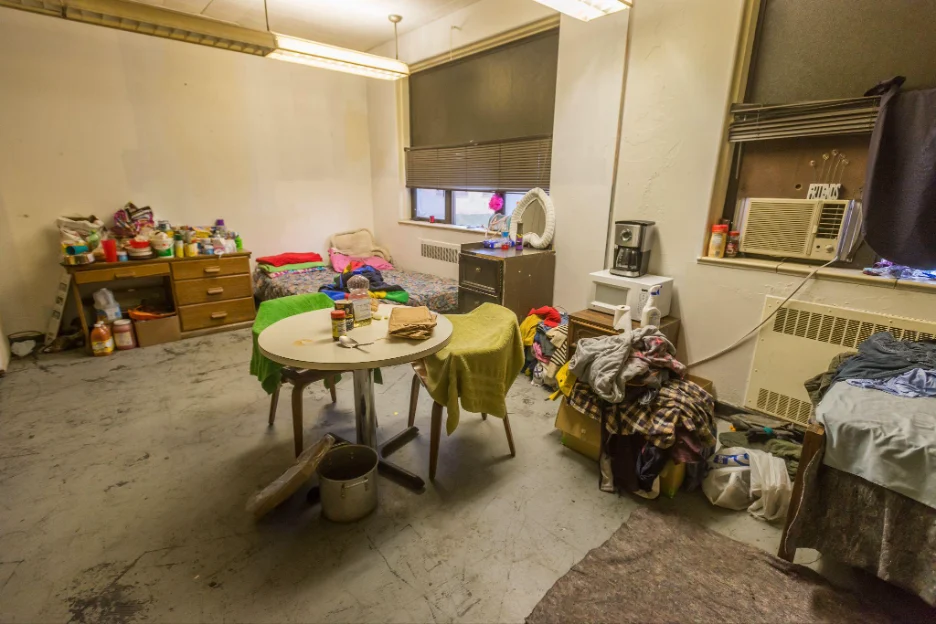
Migrant labor forms the indispensable backbone of American agriculture, a constant and essential force that ensures the nation’s food supply. Yet, the individuals who perform this arduous work often remain systemically hidden, their contributions obscured by both social marginalization and deliberate spatial arrangements. This invisibility is not accidental; it is a calculated feature of a system that frequently places workers in housing tucked away from public view—behind groves, far from main roads, or on private land secured by locked gates. These secluded sites are not only difficult to access for outsiders but also notoriously challenging for residents to leave, creating a controlled environment that limits autonomy and perpetuates vulnerability.
Historical Context: The Enduring Need for Agricultural Labor
The reliance on migrant labor in American agriculture is deeply rooted in history, evolving from early forms of seasonal farm work to more formalized systems. The Bracero Program, a series of agreements between the U.S. and Mexico from 1942 to 1964, stands as a significant historical precedent, bringing millions of Mexican farmworkers to the U.S. under contract. While intended to address wartime labor shortages, the program established a pattern of dependency on foreign labor, often under conditions that raised concerns about exploitation. Post-Bracero, the demand for cheap, flexible labor continued, leading to the current landscape where a significant portion of agricultural work is performed by migrant and seasonal farmworkers, many of whom are immigrants, both authorized and undocumented.
Today, an estimated 2.5 to 3 million farmworkers are employed in the United States, with a substantial percentage being migrants who travel across states or regions following crop cycles. The U.S. Department of Agriculture (USDA) highlights that roughly half of all hired farmworkers are foreign-born, with a majority coming from Mexico. Their labor contributes an estimated hundreds of billions of dollars to the U.S. economy annually, underpinning a vast agricultural industry that produces everything from fruits and vegetables to dairy and livestock. Despite their critical role, farmworkers often face some of the lowest wages, poorest working conditions, and most inadequate housing in the country.
The Architecture of Invisibility: Spatial Control and Social Erasure
The physical placement and design of migrant housing are central to understanding the systemic challenges faced by these workers. As observed by a paralegal working in immigration law in Metro Detroit, migrant workers frequently describe housing situations that are isolated and lacking basic amenities. After long days, often six or seven days a week, spent toiling in extreme heat in fields or orchards, workers return to dormitories or cabins situated far from towns, often without access to transportation or local services. These accommodations are characterized by a profound lack of privacy, comfort, and dignity. Shared beds, tight quarters, communal bathrooms, and often bare kitchens are common features.
Photographic evidence from various states, including North Carolina and California, consistently depicts rows of identical, spartan cabins. Inside, narrow beds are crammed into small spaces, often with insufficient room to move, and windows offer little light or view of the outside world. These images serve as powerful documentation, illustrating a system designed to erase the individual identity and needs of the people who keep it operational. The deliberate isolation ensures that the conditions of their daily lives remain largely hidden from public scrutiny, perpetuating their social invisibility.
Legal Frameworks and Enforcement Gaps
The primary federal law governing the employment and housing of migrant and seasonal agricultural workers is the Migrant and Seasonal Agricultural Worker Protection Act (MSPA) of 1983. MSPA mandates specific housing safety and health standards for employer-provided housing, including requirements for sanitation, structural soundness, and adequate space. It also requires employers to register with the Department of Labor (DOL) if they provide housing and to comply with state and local housing safety and health standards, which often exceed federal minimums.
However, enforcement of MSPA and related housing regulations is notoriously challenging. The transient nature of farm work, the isolation of housing sites, language barriers, and workers’ fear of retaliation (including job loss, eviction, and deportation) create significant obstacles to reporting violations. Many housing sites, particularly those on private land, operate with minimal oversight, making it difficult for regulatory bodies to conduct regular inspections. Furthermore, the "minimum legal standard for shelter" often translates into conditions barely above those deemed acceptable for correctional facilities, further highlighting the dehumanizing aspect of the architecture.
Sociological Perspectives: Power, Space, and Discipline
Sociology offers a robust framework for understanding these housing conditions not merely as "bad housing" but as a symptom of a deeper structural problem. Conflict theory, which posits that society develops and changes based on struggles over power and resources, is particularly relevant. In the context of migrant labor, this struggle is starkly visible in the very organization of housing, where control over living space becomes a potent tool for managing labor.
Drawing on Henri Lefebvre’s concept of "the production of space," we understand that space is not neutral or naturally occurring but is socially produced. The design and arrangement of migrant housing reflect the interests of those in power—the employers and the agricultural industry—rather than the comfort, fairness, or functional needs of the workers. The shape of a room, the distance between houses, and the layout of a building are not random; they are intentional reflections of power relationships, designed to facilitate control and minimize dissent.
Michel Foucault’s work on "discipline and punish" further illuminates how institutions use architecture to enforce discipline. In migrant housing, the physical space itself signals and enforces control. These dormitories or cabins, while not equipped with traditional bars or guards, function as mechanisms of surveillance and discipline. The inherent lack of privacy, the communal living arrangements, and the employer’s direct control over housing mean that every complaint or act of defiance carries a severe risk: not only the loss of a job but also the immediate loss of shelter, potentially leading to homelessness or even forcible deportation. This design limits autonomy, keeps workers quiet, and reinforces the idea that the fewer choices a person has, the easier they are to control.
A worker’s firsthand account of bunks so close he could hear every breath of the man above him, coupled with rules about visitors, meals, and noise, even preventing married couples from living together, underscores this disciplinary function. Such conditions foster a pervasive sense of being monitored and a deep fear of speaking up, emphasizing that these "homes" are not truly the workers’ own but rather a component of their employment contract, subject to the employer’s absolute control.
Economic Realities and Worker Vulnerability
The economic dynamics surrounding migrant labor further entrench these exploitative housing practices. Agricultural work is often low-wage, seasonal, and physically demanding. Many farmworkers, particularly undocumented immigrants, are economically vulnerable and lack alternative employment options. This vulnerability is exacerbated by employer-provided housing, which often becomes a condition of employment. Workers may have wages garnished for housing costs, further reducing their already meager income.
For agricultural employers, providing housing can be seen as a necessity to attract and retain a transient workforce, especially in remote areas. However, the economic pressures of agriculture, including thin profit margins and competition, can incentivize employers to cut corners on housing quality and maintenance. The cost of complying with stringent housing standards can be significant, leading some employers to seek ways to minimize expenses, sometimes at the expense of worker welfare. This creates a system where the economic vulnerability of workers is leveraged against them, making them less likely to challenge substandard living conditions for fear of losing their job and home simultaneously.
Broader Implications: Health, Human Rights, and Social Justice
The implications of substandard and controlling migrant housing extend far beyond individual discomfort. They represent significant public health risks, human rights violations, and deep-seated social justice issues. Overcrowded living conditions facilitate the rapid spread of infectious diseases, a concern that became acutely apparent during the COVID-19 pandemic, where farmworkers faced disproportionately high infection rates. Lack of proper sanitation and access to clean water can lead to gastrointestinal illnesses and other health problems. The constant stress and lack of privacy also take a toll on mental health.
From a human rights perspective, the conditions often fall short of international standards for adequate housing, which emphasize security of tenure, affordability, habitability, accessibility, and cultural appropriateness. The control exerted over workers through housing compromises their fundamental rights to privacy, family life, and freedom of movement.
Sociologically, this is not merely a "housing crisis" but a deliberate "labor strategy." These isolated camps are not temporary accidents but rather long-term solutions to a problem that society, or at least powerful segments of it, seems unwilling to truly fix: the need for cheap, exploitable labor without providing commensurate dignity or rights.
Calls for Reform and a Path Forward
Addressing this systemic issue requires a multi-faceted approach involving legislative reform, stricter enforcement, and increased public awareness. Advocacy groups such as the United Farm Workers (UFW) and the National Farm Worker Ministry have long campaigned for improved housing conditions, fair wages, and greater protections for agricultural workers. Their efforts highlight the need for:
- Strengthened MSPA Enforcement: Increased funding for the Department of Labor to conduct more frequent and thorough inspections, with significant penalties for non-compliance.
- Accessible Reporting Mechanisms: Anonymous and confidential reporting systems for workers, with protections against retaliation.
- Independent Housing Options: Policies that support the development of independent, affordable, and safe housing options for farmworkers, reducing their dependency on employer-provided housing.
- Public Awareness and Consumer Responsibility: Educating consumers about the conditions under which their food is produced, fostering demand for ethically sourced agricultural products, and supporting fair labor practices.
- Immigration Reform: Comprehensive immigration reform that provides pathways to legal status for undocumented farmworkers, thereby reducing their vulnerability and fear of deportation, empowering them to advocate for their rights.
Ultimately, the goal is to bring these hidden designs to light. As scholars, citizens, and consumers, we cannot change what we do not see or acknowledge. Recognizing the architecture of invisibility and control in migrant labor housing as a deliberate strategy within a power struggle is the first step towards building a more equitable and humane agricultural system in the United States, one that honors the dignity and essential contributions of all its workers.








