Nila Kartika Wati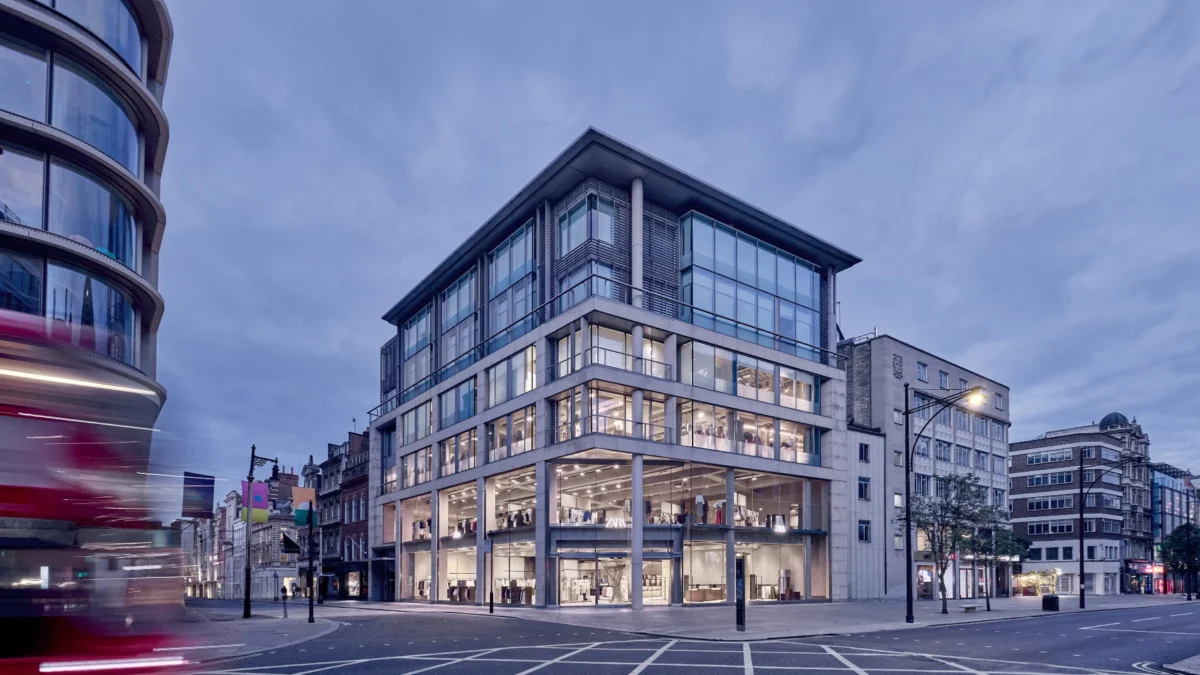
The Spanish fast-fashion titan, Zara, has unveiled its meticulously renovated flagship store on London’s prestigious Bond Street, a significant move signaling the brand’s deliberate strategy to elevate its market positioning and differentiate itself from a crowded field of lower-priced competitors. The newly opened, tech-enabled space represents a tangible commitment to enhancing Zara’s brand image, moving beyond its historical perception as a purveyor of rapidly produced, affordable clothing towards a more curated and sophisticated retail experience. This strategic repositioning comes at a critical juncture for the fast fashion industry, which faces increasing scrutiny over sustainability practices and evolving consumer expectations for quality and brand narrative.
The Bond Street renovation is not an isolated initiative but rather a cornerstone of Zara’s broader, multi-year effort to refine its retail identity. Sources close to the company indicate that this project, which has been in development for over two years, involved significant investment in both architectural design and integrated technology. The objective is to create an environment that mirrors the increasing sophistication of Zara’s product offerings, which have seen a gradual shift towards more premium materials and refined silhouettes in recent collections. This flagship, in particular, is designed to serve as a beacon for the brand’s aspirational vision, attracting a discerning clientele while simultaneously offering a seamless, modern shopping journey for its existing customer base.
Strategic Repositioning in a Competitive Market
Zara, a subsidiary of the Inditex group, has long been a dominant force in the global apparel market, renowned for its ability to quickly translate runway trends into accessible fashion. However, the retail landscape has become increasingly complex. The rise of ultra-fast fashion players, coupled with growing consumer awareness of the environmental and social impact of clothing production, has created a challenging environment. Zara’s strategic pivot, exemplified by the Bond Street flagship, appears to be a calculated response to these pressures.
Industry analysts suggest that this move aims to achieve several key objectives. Firstly, it seeks to solidify Zara’s position in the premium segment of the high-street market, attracting customers who might otherwise gravitate towards more established luxury brands or independent boutiques. Secondly, by integrating advanced technology, Zara is aiming to enhance customer engagement and operational efficiency, providing a more personalized and convenient shopping experience. This includes features designed to bridge the gap between online and offline retail, a critical element in today’s omnichannel shopping environment.
The renovation project itself is a testament to Zara’s commitment to physical retail as a crucial brand-building tool. While many retailers have scaled back their brick-and-mortar presence, Zara is investing in flagship locations as immersive brand showcases. The Bond Street store, occupying a prime location in one of London’s most exclusive shopping districts, is strategically chosen to amplify this message. Its design emphasizes clean lines, sophisticated lighting, and a minimalist aesthetic, creating an atmosphere that is a departure from the bustling, densely packed stores that once characterized the fast-fashion model.
Technological Integration: The Future of Retail Experience
The technological advancements at the heart of the Bond Street flagship are designed to create a fluid and responsive shopping experience. While specific details remain proprietary, it is understood that the store incorporates elements such as interactive displays, smart fitting rooms, and an integrated inventory management system. These technologies are intended to streamline the customer journey, from product discovery to checkout.
For instance, the fitting rooms are rumored to be equipped with interactive mirrors that can suggest complementary items or allow customers to request different sizes or colors without leaving the cubicle. This not only enhances convenience but also provides valuable data for inventory management and personalized recommendations. Furthermore, the store’s integration with Zara’s mobile app is expected to allow customers to locate items within the store, check stock availability, and even complete purchases via their smartphones.
This focus on technology is not merely about novelty; it is a strategic imperative. According to a recent report by Deloitte, by 2025, over 60% of retail sales are expected to involve some form of digital interaction, whether online research before visiting a store or the use of mobile devices while shopping. Zara’s investment in these capabilities positions it to capitalize on this trend, offering a bridge between the immediacy of in-store shopping and the convenience of digital platforms. The data gathered from these technological integrations will also be invaluable for Zara, providing insights into customer behavior, purchasing patterns, and product preferences, which can then inform future design and merchandising decisions.
A Chronology of Strategic Evolution
Zara’s journey towards this more upscale and technologically advanced retail model has been a gradual, evolutionary process. Founded in 1975 in Arteixo, Spain, by Amancio Ortega, Zara initially focused on providing affordable, trend-driven clothing to a broad demographic. Its rapid expansion throughout the late 20th and early 21st centuries was built on a highly efficient supply chain and a responsive business model.
- Late 1970s – 1990s: Zara establishes its core fast-fashion model, characterized by rapid design, production, and distribution cycles. The brand expands nationally and begins its international foray.
- 2000s: Inditex, Zara’s parent company, goes public, providing capital for further global expansion. Zara begins to experiment with store design and introduces slightly more sophisticated collections. The integration of online sales begins to take shape.
- 2010s: The rise of e-commerce accelerates. Zara invests heavily in its online platform and begins to consider the omnichannel experience. Competitors emerge, including ultra-fast fashion players, intensifying market pressure. Zara starts to subtly refine its brand image, with store renovations focusing on a cleaner, more modern aesthetic.
- Late 2010s – Early 2020s: Zara embarks on a more pronounced strategy to elevate its brand. This involves a renewed focus on store design, with a move towards larger, more architecturally significant spaces and a greater emphasis on in-store technology. The Bond Street flagship is a culmination of these efforts, representing a significant investment and a clear statement of intent. The COVID-19 pandemic further accelerated the need for robust online and omnichannel strategies, reinforcing Zara’s investments in digital integration.
This timeline highlights Zara’s consistent ability to adapt and innovate. The Bond Street project is not a radical departure but rather an accelerated evolution, reflecting a strategic decision to lead rather than follow in the changing retail landscape.
Supporting Data and Market Context
The global apparel market is a multi-trillion-dollar industry, with the fast fashion segment representing a significant portion. However, the segment is also subject to intense competition and evolving consumer sentiment. A recent market analysis by Statista indicated that while the global apparel market is projected to reach over $1.7 trillion by 2027, the growth of the fast fashion segment is increasingly scrutinized for its sustainability credentials.
Zara’s strategic investment in its flagship stores can be viewed in the context of this market dynamic. By focusing on premium locations and enhanced in-store experiences, Zara aims to attract a customer base that is willing to pay for both style and a more curated brand experience, even within the fast fashion price bracket. This move is also likely influenced by the performance of other brands that have successfully blended accessibility with a degree of aspirational branding.
Furthermore, data from consumer behavior studies suggests a growing preference for brands that offer a seamless omnichannel experience. A report by Accenture found that 73% of consumers use multiple channels to shop. Zara’s investment in technology at its Bond Street store directly addresses this trend, aiming to provide a consistent and engaging brand experience whether a customer is shopping online, via a mobile app, or in-store.
Broader Implications for the Fashion Industry
The renovation of Zara’s Bond Street store carries significant implications for the broader fashion industry. It signals a potential shift in how fast fashion brands approach retail, moving beyond purely functional spaces to create immersive brand environments. This could prompt other retailers to re-evaluate their own store designs and technological investments.
The emphasis on technology also underscores the increasing convergence of physical and digital retail. Zara’s approach suggests that the future of retail lies in seamlessly integrating these two realms, creating a holistic customer journey that is both convenient and engaging. This may lead to increased investment in areas such as augmented reality in stores, personalized digital styling services, and advanced data analytics to understand customer preferences.
Moreover, Zara’s efforts to elevate its brand image could influence consumer perceptions of fast fashion. By offering a more premium experience, Zara may be attempting to counter the negative connotations associated with the industry, such as environmental waste and labor practices. This could encourage other fast fashion brands to consider similar strategies, potentially leading to a more sophisticated and responsible approach to fashion consumption.
The successful implementation of these strategies at the Bond Street flagship will be closely watched by competitors and industry observers alike. It represents a bold statement of intent from one of the world’s leading fashion retailers, aiming to redefine its place in an ever-evolving market. The long-term impact will depend on Zara’s ability to consistently deliver on this elevated brand promise across its global network and to navigate the ongoing challenges of sustainability and ethical production within the fast fashion sector.