Nila Kartika Wati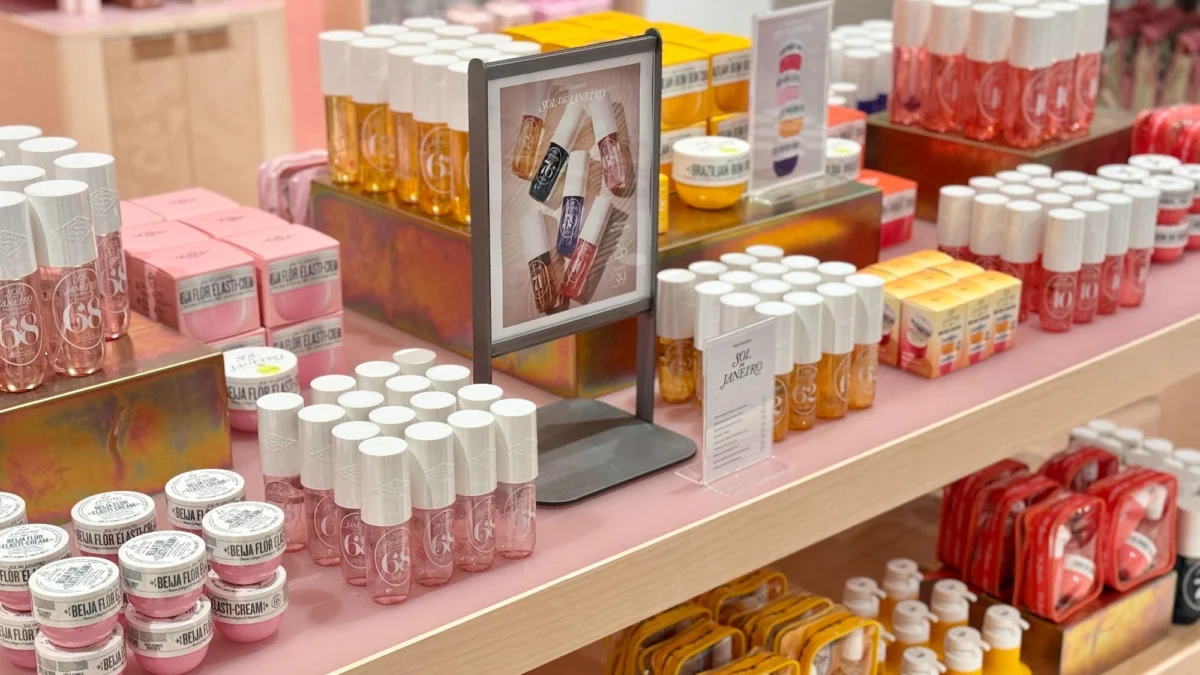
The retail landscape is witnessing a strategic pivot from Urban Outfitters, a brand long synonymous with trend-driven apparel for teenagers and young adults. In a calculated move to diversify its revenue streams and capture a burgeoning market, the company is aggressively expanding its beauty offerings, aiming to establish itself as a formidable force in the beauty industry. This ambitious endeavor is heavily reliant on cultivating relationships with the next generation of influencers, particularly those within Generation Alpha, and strategically partnering with brands that resonate with this demographic, such as Sol de Janeiro and Yes Day.
The retailer’s foray into the beauty sector is not merely an opportunistic expansion but a deliberate strategy to leverage its existing customer base and brand perception. Urban Outfitters has long been adept at identifying and curating youth culture trends, and this expertise is now being channeled into the dynamic and highly lucrative beauty market. The company’s parent, URBN, has reported that fragrance alone constitutes a significant 40 percent of its total beauty and personal care sales, underscoring the critical role of this category in its overall business. This statistic highlights a substantial existing foundation upon which Urban Outfitters is building its beauty empire.
The Shifting Demographics of Consumer Influence
The emphasis on Generation Alpha influencers is a key indicator of Urban Outfitters’ forward-thinking approach. This cohort, born roughly between 2010 and 2024, represents the youngest generation of consumers, who are increasingly exposed to and influenced by digital content from a very young age. Unlike previous generations who relied on traditional media or older social media platforms, Gen Alpha is growing up immersed in platforms like TikTok, YouTube Kids, and emerging short-form video apps, where peer recommendations and influencer endorsements hold significant sway.
Urban Outfitters’ strategy acknowledges that these young influencers, even those with relatively smaller but highly engaged followings, can effectively shape purchasing decisions. By identifying and collaborating with these emerging voices, the retailer aims to build brand loyalty and product desirability from an early age, a tactic that could yield long-term dividends. This approach moves beyond simply targeting existing teen shoppers and seeks to cultivate future brand advocates.
Strategic Brand Partnerships: Sol de Janeiro and Beyond
The inclusion of brands like Sol de Janeiro in Urban Outfitters’ beauty assortment is a testament to the retailer’s keen eye for trending products. Sol de Janeiro, known for its tropical-inspired fragrances and body care products, has experienced a meteoric rise in popularity, particularly among younger demographics. Its products, often characterized by their distinctive scents and vibrant packaging, align perfectly with the aesthetic and aspirational values of Urban Outfitters’ target audience. The launch of Sol de Janeiro at Urban Outfitters in April 2026, as indicated by the provided image caption, marks a significant milestone in this strategic partnership.
Similarly, the mention of "Yes Day" suggests an interest in brands that evoke a sense of fun, indulgence, and playful self-expression. While the specific details of "Yes Day" as a beauty brand in this context may require further clarification, the name itself implies a connection to spontaneous joy and treating oneself, themes that resonate strongly with younger consumers. This selective curation of brands is crucial for establishing Urban Outfitters’ beauty section as a destination for sought-after and relevant products.
A Timeline of Evolution: From Apparel to Beauty Authority
Urban Outfitters’ journey into beauty is not an overnight phenomenon but a gradual evolution. Historically, the brand has been a purveyor of fashion and lifestyle products, carefully curated to reflect current trends and subcultures. The initial integration of beauty products likely began with a limited selection of niche brands or essentials that complemented their apparel offerings.
The decision to elevate beauty to a central pillar of their retail strategy suggests a period of extensive market research, data analysis, and strategic planning. The success of brands like Glossier and Fenty Beauty, which have demonstrated the immense potential of direct-to-consumer beauty brands and inclusive marketing, likely served as influential case studies. Urban Outfitters’ move can be seen as an attempt to replicate this success by leveraging its existing retail infrastructure and established brand recognition.
The accelerated expansion in recent years, particularly with the strategic partnerships and influencer outreach, points to a concentrated effort to capture market share. The company’s investment in beauty is likely supported by robust internal data demonstrating a strong demand from their existing customer base for beauty products, and a perceived opportunity to capture a larger share of their overall discretionary spending.
Supporting Data and Market Context
The global beauty market is a multi-billion dollar industry characterized by continuous growth and evolving consumer preferences. According to various industry reports, the personal care and beauty sector has seen consistent year-over-year growth, driven by factors such as increasing disposable incomes, a greater emphasis on self-care, and the pervasive influence of social media.
Specifically, the fragrance and body care segments, where Urban Outfitters appears to be focusing heavily, are particularly strong performers. The desire for sensory experiences and personal expression through scent is a powerful consumer driver. Furthermore, the rise of indie beauty brands and direct-to-consumer models has democratized the market, allowing new players to challenge established giants.
Urban Outfitters’ entry into this competitive arena is bolstered by its existing physical retail footprint, which offers a tangible point of sale and brand experience that many online-only beauty brands lack. This hybrid approach, combining online presence with in-store discovery, can be a significant advantage. The company’s ability to attract and retain a young, trend-conscious demographic through its apparel business provides a ready-made audience for its expanded beauty offerings.
Analysis of Implications: A Multifaceted Strategy
Urban Outfitters’ pivot to a beauty empire carries several significant implications for the company and the broader retail sector:
- Revenue Diversification: Expanding into beauty reduces the company’s reliance on apparel, which can be subject to volatile fashion trends and economic fluctuations. A robust beauty segment can provide a more stable and predictable revenue stream.
- Enhanced Customer Loyalty: By offering a comprehensive lifestyle product assortment, Urban Outfitters can deepen its relationship with its customers. A shopper who purchases clothing, accessories, and beauty products from the same retailer is likely to exhibit higher brand loyalty.
- Leveraging Brand Equity: Urban Outfitters has cultivated a strong brand identity associated with youth culture, individuality, and trendsetting. This equity can be effectively transferred to its beauty offerings, making them instantly recognizable and desirable to its target audience.
- Competitive Advantage: In an increasingly crowded retail market, a successful beauty division can serve as a key differentiator, attracting new customers and encouraging existing ones to spend more time and money within the Urban Outfitters ecosystem.
- Adaptation to Evolving Consumer Behavior: The increasing importance of digital channels, influencer marketing, and the growing demand for personalized beauty experiences are all being addressed by Urban Outfitters’ strategy. Their focus on Gen Alpha influencers indicates an understanding of future consumer trends.
Official Responses and Future Outlook
While direct quotes from Urban Outfitters executives regarding their beauty empire ambitions are not provided in the initial content, the strategic decisions themselves speak volumes. The company’s investment in this sector, coupled with the focus on emerging influencers and popular brands, signals a strong commitment.
The success of this strategy will hinge on several factors. Firstly, the ability to consistently identify and curate the "next big thing" in beauty, much like they do with fashion. Secondly, the effectiveness of their influencer marketing campaigns in genuinely connecting with and persuading their target demographics. Thirdly, the in-store and online customer experience for beauty products must be seamless and engaging, mirroring the brand’s overall aesthetic.
The fashion industry has seen retailers successfully diversify into beauty – think of brands like Zara and H&M, which have developed their own beauty lines. Urban Outfitters’ approach, however, appears to be more focused on curating a destination for popular third-party brands and leveraging a new generation of influencers, which could offer a distinct competitive edge.
Broader Impact and Conclusion
The success of Urban Outfitters’ beauty ambitions could signal a broader trend within the apparel retail sector. As the lines between fashion, beauty, and lifestyle continue to blur, retailers that can effectively integrate these categories stand to gain a significant advantage. The emphasis on Gen Alpha and the sophisticated use of influencer marketing also point to a fundamental shift in how brands connect with younger consumers.
Ultimately, Urban Outfitters’ pursuit of a "beauty empire" is a calculated risk that leverages its core strengths while embracing new market dynamics. By strategically partnering with trending brands and cultivating relationships with the influencers of tomorrow, the retailer is positioning itself not just as a fashion destination, but as a comprehensive lifestyle curator for the modern consumer, aiming to capture a significant share of the ever-expanding beauty market. The coming years will reveal the full extent of this ambitious transformation and its impact on the competitive landscape of retail.