
 Prabowo Widodo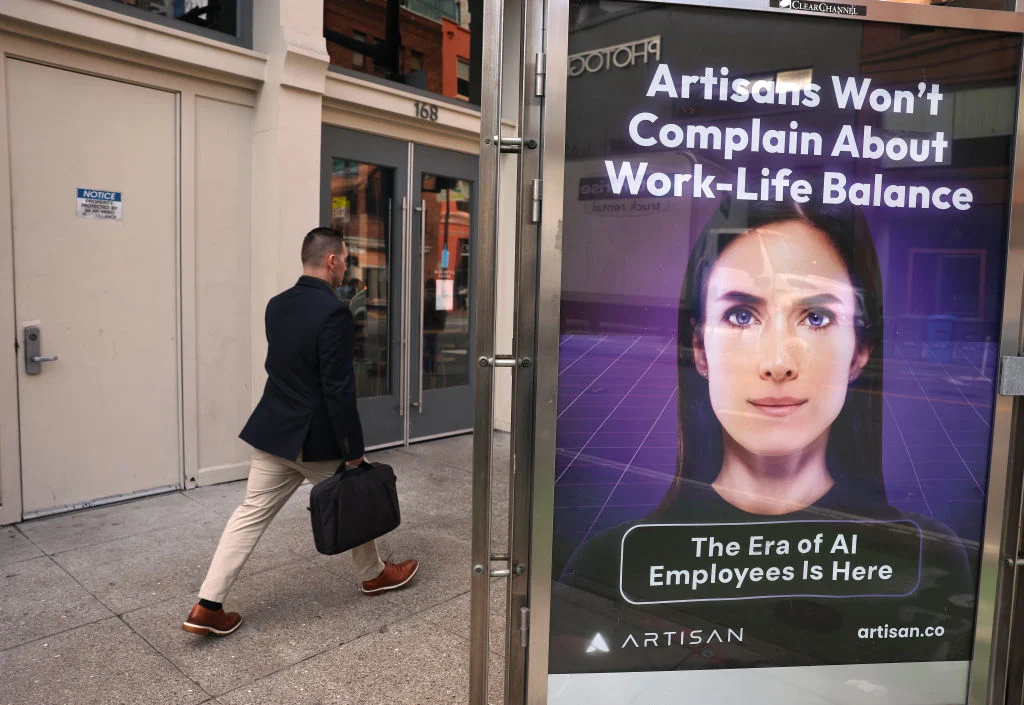
The highly publicized intellectual property dispute between renowned webcomic artist KC Green, creator of the iconic "This is fine" meme, and the artificial intelligence startup Artisan, has reached an amicable resolution. The disagreement, which centered on Artisan’s unauthorized adaptation of Green’s widely recognized artwork for its marketing campaigns, concluded with both parties confirming a swift settlement. This development underscores the growing tensions and complexities surrounding intellectual property rights in the rapidly evolving landscape of artificial intelligence and digital media, highlighting the imperative for ethical engagement with existing creative works.
The Genesis of the Dispute: From Meme to Marketing Controversy
The controversy first surfaced when Artisan, a company specializing in AI-powered sales development representatives (BDRs), launched an extensive advertising campaign across major urban centers, including New York and San Francisco. These campaigns featured bus and subway advertisements depicting a canine character strikingly similar to Green’s beloved dog from the "This is fine" meme, seated amidst a familiar backdrop of flames. However, instead of the original caption, "This is fine," Artisan’s version declared, "My pipeline is on fire," followed by the promotional call to action: "Hire Ava the AI BDR." The image, captured in San Francisco on December 5, 2024, as seen in promotional materials, indicated the widespread nature of the campaign well before the public outcry.
KC Green, whose "This is fine" comic panel from 2013 has achieved global virality as a meme symbolizing calm resignation in the face of chaos, quickly identified the unauthorized use of his distinctive artistic style and character. On social media platforms, Green expressed his profound frustration, stating earlier this month that his art had been "stolen like AI steals," a pointed commentary on the broader ethical debates surrounding AI models trained on vast datasets of copyrighted material without explicit permission or compensation to creators. He further encouraged his followers to "vandalize" the offending advertisements if encountered, a stark reflection of his exasperation. In an interview with TechCrunch, Green articulated his reluctance to divert time from his creative pursuits to navigate the complexities of the American legal system, emphasizing his desire to continue producing comics.
Artisan, through its founder and CEO Jaspar Carmichael-Jack, initially responded to the burgeoning criticism by conveying "a lot of respect for Green and his work." This statement, while acknowledging the artist’s standing, did little to immediately quell the concerns regarding the perceived infringement. The company’s decision to adapt such a recognizable piece of internet culture for commercial gain without prior consent ignited a wider conversation about corporate responsibility and artistic integrity.
A Swift Resolution: Averting Protracted Legal Battles
The rapid progression from public accusation to a confirmed settlement signals a strategic move by both parties to avoid a potentially costly and reputation-damaging legal battle. Earlier this week, Carmichael-Jack announced that Artisan and Green had reached an agreement. Subsequently, TechCrunch confirmed with Green that the parties had "reached a settlement pretty quick." The terms of the agreement involved Artisan promptly removing the contested advertisements from their public placements in New York and San Francisco. In return, Green agreed to retract his initial social media posts that had called for public action against the ads.
This expedited resolution suggests a mutual recognition of the potential downsides of prolonged litigation. For Artisan, a protracted legal dispute could have resulted in significant financial expenditures, negative public relations, and a tarnished brand image, particularly within a tech industry often scrutinized for its ethical practices. For Green, while he had a strong case for copyright infringement, the practical and emotional toll of a lawsuit could have been substantial, detracting from his artistic endeavors. The quick agreement allowed both to move forward, with Artisan rectifying its error and Green upholding his rights without enduring a lengthy legal process.
The Enduring Legacy of "This is Fine" and the Artist’s Rights
KC Green’s "This is fine" meme is more than just a popular internet joke; it is a cultural touchstone that has transcended its origins in webcomics to become a shorthand for contemporary malaise and ironic acceptance. Originating from his 2013 comic "On Fire," published on The Nib, the panel depicting a dog calmly sipping coffee in a burning room encapsulates a pervasive sentiment in an era of constant crises. Its ubiquity across social media, news reports, and casual conversation speaks to its profound resonance and Green’s insightful commentary on modern life.

The commercial appropriation of such a widely recognized cultural artifact without the creator’s permission raises fundamental questions about intellectual property in the digital age. Artists, particularly those whose work gains traction through viral dissemination, often face an uphill battle in protecting their rights. The ease with which digital content can be copied, modified, and redistributed, coupled with the often-anonymous nature of internet usage, complicates enforcement. Green’s vocal stand against Artisan served as a potent reminder that even seemingly ephemeral internet phenomena are the product of creative labor and deserve protection.
Artisan, AI, and the Ethical Frontier of Marketing
Artisan’s use of a derivative of Green’s meme in its marketing campaign highlights a broader challenge for AI companies: how to navigate the ethical and legal boundaries of creative content. While AI models are often lauded for their ability to generate novel content, their reliance on vast datasets, much of which is copyrighted, poses significant questions regarding originality and infringement. The "My pipeline is on fire" slogan, directly playing on the meme’s established context, suggests a deliberate attempt to leverage existing cultural capital to connect with a target audience of sales professionals facing high-pressure environments.
The incident serves as a cautionary tale for startups and established corporations alike. In an era where brand authenticity and ethical conduct are increasingly important to consumers, missteps in intellectual property can have severe repercussions. Companies are expected to demonstrate respect for creators and adhere to legal frameworks, even when operating in innovative technological spaces like AI. The swiftness of the settlement also suggests a growing corporate awareness of the potential for public backlash, particularly when a popular artist rallies their online community.
Broader Implications for Intellectual Property in the AI Era
This settlement, while specific to a single instance of alleged infringement, resonates within the larger discourse surrounding artificial intelligence and intellectual property. The advent of generative AI has intensified debates over copyright, fair use, and compensation for creators whose works are used to train AI models. Numerous lawsuits have been filed against AI companies by artists, writers, and photographers who allege that their copyrighted material has been ingested by AI systems without permission or remuneration, leading to outputs that either mimic their style or directly reproduce their work.
The "This is fine" dispute, though not directly about AI model training, underscores the cultural sensitivity required when AI-driven companies interact with existing creative content. It highlights the need for clear guidelines and potentially new legal frameworks to address the challenges posed by AI. For instance, the concept of "transformative use" – a key defense in copyright cases – is often invoked by AI developers, arguing that AI-generated content transforms existing works sufficiently to constitute a new creation. However, in cases like Artisan’s, where the derivative work is clearly recognizable and used for direct commercial promotion, the argument for transformative use becomes significantly weaker.
The resolution between Green and Artisan might be seen as a template for future disputes: a quick, out-of-court settlement that addresses the immediate grievance, avoids costly legal precedent, and allows both parties to maintain a degree of control over the narrative. It also reinforces the power of artists to leverage social media and public opinion to advocate for their rights against larger corporate entities.
Looking Ahead: Fostering Ethical AI and Creative Collaboration
The incident with KC Green and Artisan serves as a crucial reminder that as AI technology advances, the human element of creativity and the legal protections afforded to it must not be overlooked. For the AI industry, proactive measures such as implementing robust content attribution systems, securing proper licensing agreements, and engaging in transparent communication with creators could help prevent similar conflicts. Developing ethical guidelines that prioritize consent and compensation for original works used in AI applications will be paramount for fostering trust and ensuring sustainable innovation.
For artists, the case of "This is fine" is an encouraging sign that their voices can make a difference. It underscores the importance of being vigilant about their intellectual property and being prepared to assert their rights. As the digital landscape continues to evolve, the balance between technological advancement and artistic integrity will remain a critical challenge, one that requires ongoing dialogue, clear legal frameworks, and a commitment to ethical practices from all stakeholders. The prompt resolution in this case offers a glimmer of hope that such disputes can be addressed efficiently, allowing both innovation and creativity to flourish responsibly.









