Ana Megawati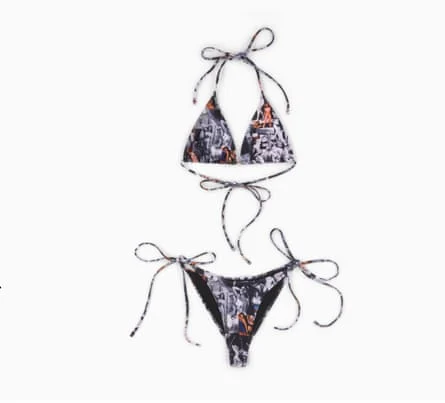
For decades, the journey through a museum culminated in a perfunctory visit to the gift shop, a space often stocked with art print postcards, miniature statues, and coffee table books – quaint mementos of a cultural encounter. Today, that narrative has been dramatically rewritten. Following in the footsteps of once-sacrosanct bookshops and beloved independent coffee houses, museums have emerged as the latest frontier in sophisticated merchandising, transforming their retail spaces into vibrant, standalone shopping destinations. This strategic pivot, often dubbed "merch-maxxing," is driven by a critical need to boost revenue, broaden audience appeal, and extend institutional brand identity far beyond gallery walls.
The Evolution of the Museum Gift Shop: From Souvenir to Lifestyle Brand
The contemporary museum gift shop is no longer merely an exit point but increasingly a desirable entry point, a curated retail experience mirroring high-street boutiques or concept stores. The merchandise has evolved beyond simple reproductions to encompass a diverse range of fashion, homeware, accessories, and bespoke lifestyle products. This shift reflects a deeper understanding of modern consumer behaviour, where purchases are not just about utility but about expressing identity, affiliation, and cultural connoisseurship. Visitors are now likely to find slogan T-shirts, designer collaborations, and niche collectibles that offer a subtle, sophisticated nod to exhibitions, rather than literal interpretations. This marks a profound transformation from cultural institution to a multifaceted cultural retailer, actively engaging with contemporary trends in design, fashion, and consumer engagement.
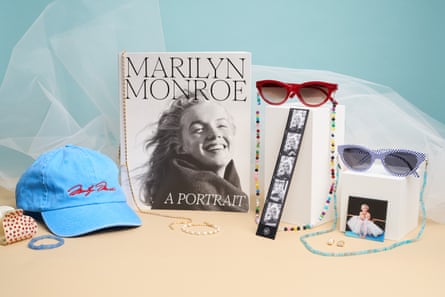
A prime example of this innovative approach is the upcoming exhibition exploring Marilyn Monroe’s enduring legacy at London’s National Portrait Gallery (NPG). Set to open next week, the accompanying merchandise collection meticulously interprets Monroe’s iconic style and persona. Far from simple posters, visitors will discover cat-eye sunglasses reminiscent of those she famously wore in 1950s Hollywood, a limited-edition lipstick inspired by her signature red pout, and baseball caps emblazoned with her distinct scrawled signature. This collection, which began development 18 months prior, exemplifies the thoughtful curation behind this new wave of museum retail. Ed Simpson, the buying and product development manager at the NPG, highlighted the deliberate strategy: "While visitors will still find posters and postcards with images of the actor to reflect what they have experienced, the wider selection of products is a really great way of interpreting the exhibition without being too literal." This philosophy ensures that merchandise offers a deeper, more personal connection to the subject matter, resonating with a discerning audience seeking unique items.
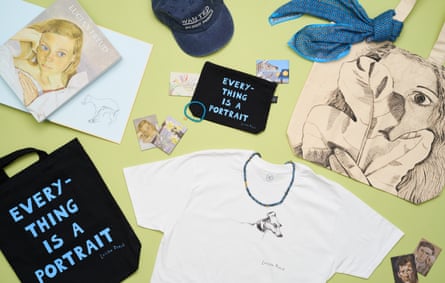
Across London, the Tate Modern has embraced this trend with merchandise tied to its Tracey Emin exhibition, featuring cat feeding bowls and cat-shaped hair clips, reflecting Emin’s well-known affection for felines. Further north, the V&A Dundee’s gift shop celebrated an exhibition on the catwalk with bottles of hairspray and elegant gold scissors, cleverly referencing the glamour and artistry of fashion shows. Even more avant-garde offerings include a bikini featuring prints from artist and film-maker Dick Jewell’s "Erotic Armpits" collage, sold alongside his work, pushing the boundaries of what museum merchandise can be. Meanwhile, the blockbuster Schiaparelli exhibition at London’s V&A offered stylish tote bags featuring a trompe l’œil of a jumper from the show, blending high fashion with wearable art. Retrospectives are also getting the merch treatment; a recent Royal Academy exhibition of British painter Rose Wylie concluded with an array of items including a football scarf, while the NPG’s celebration of Lucian Freud featured an "Everything is a portrait" T-shirt designed by his fashion designer daughter, Bella Freud. These examples underscore a commitment to creating products that are both relevant to the exhibition and desirable as standalone items.

Underlying Pressures: Why Museums Are "Merch-Maxxing"
The aggressive pursuit of merchandise revenue is not merely a creative whim but a strategic imperative driven by significant financial pressures facing cultural institutions globally. In an era of fluctuating government funding, rising operational costs, and the lingering economic impacts of global events such as the COVID-19 pandemic, museums are compelled to diversify their income streams. Traditional revenue sources like ticket sales and memberships, while vital, are often insufficient to cover the extensive costs associated with maintaining collections, funding research, delivering educational programs, and staging ambitious exhibitions.
Reports from cultural sector analysts frequently highlight the vulnerability of museums to economic downturns. For instance, a recent study by the Museums Association indicated that over 60% of UK museums reported static or declining public funding over the past five years, forcing a sharper focus on commercial activities. Merchandising, with its high-profit margins and broad appeal, presents a robust solution. It leverages the intellectual and aesthetic capital of the museum’s brand, transforming it into tangible, purchasable assets. This trend is further amplified by changing consumer habits, where experiential purchases and items that convey personal values are highly prized.
The Power of Cultural Capital and Gen Z Engagement
Bridget Dalton, a semiotician and cultural analyst at Truth Consulting, describes this new wave of museum merchandise as "cultural capital in the old school bourgeois sense," yet with a distinctly modern twist. For Dalton, it represents a "triple whammy": a cultural product that authentically reflects one’s interests, offers public support for a revered institution like a national gallery, and incorporates an element of fashion that allows the wearer to express a cultural moment far beyond the confines of the exhibition itself. This multi-layered appeal transforms a simple purchase into a statement of identity and engagement.
Crucially, this approach to merchandising is proving exceptionally effective in appealing to a younger demographic, particularly Generation Z. On platforms like TikTok, the phenomenon of "museum hauls" has exploded, with young visitors enthusiastically sharing videos of their merchandise purchases. These videos, often featuring unboxing, styling, and personal commentary, create organic, peer-to-peer marketing that traditional advertising struggles to replicate. The Design Museum’s Wes Anderson archival exhibition, for instance, saw immense popularity for its earl grey teabags, packaged in a box mirroring the iconic Mendl’s pink patisserie box from "The Grand Budapest Hotel," and an "Asteroid City" alien logo T-shirt. For many, encountering one of these viral TikTok videos serves as a powerful incentive, enticing them to book their own tickets and participate in the cultural experience, both in the gallery and through its retail offerings. This digital resonance demonstrates the power of well-curated merchandise to extend a museum’s reach and attract new audiences.
A Lucrative Endeavour: Hard Data and Future Growth
The financial impact of this strategic merchandising is undeniable and increasingly significant. Anna Chase-Roberts, fashion buyer for the V&A, notes that merchandise is no longer merely a "nice add-on" but has become an expected and actively sought-after component of the museum experience. With products ranging from affordable £3 magnets to high-end, three-figure jewellery pieces, the revenue-generating potential is substantial.
The V&A’s annual report last year provided compelling evidence of this profitability. The merchandise accompanying its hugely popular Taylor Swift exhibition delivered an astonishing £1.1 million in just seven weeks of trading – setting a new record for the institution. This figure underscores the immense commercial viability of tapping into contemporary cultural phenomena through carefully curated retail lines. This success is not isolated. Many institutions report double-digit growth in retail revenues, with some attributing up to 20-30% of their non-ticket income directly to merchandise sales, a vital contribution to their financial sustainability.
Expanding on this success, the new V&A East Museum in Stratford has incorporated a robust retail strategy from its inception, featuring two distinct shops: a spacious 1,500 sq ft main store and a smaller, dedicated shop for landmark exhibitions. Its inaugural "The Music is Black" exhibition, for example, offers unique items such as grime spinner necklaces and "Don’t scratch my soda" T-shirts, demonstrating a keen awareness of cultural relevance and audience-specific appeal. Chase-Roberts revealed that the curation of products for these new stores was "years in the making," driven by a dual desire to support emerging talent and meet the growing demand for limited-edition pieces. This has led to collaborations with up-and-coming makers, such as London-based ceramic artists Clink Street, whose £380 "Rave culture" vase sits alongside a pair of £8 neon-coloured socks, showcasing a diverse price point and aesthetic range designed to appeal to a broad spectrum of visitors.
Broader Implications: Museums as Brand Curators and Cultural Influencers
While a Daunt Books-branded tote bag or a T-shirt brandishing a literary author’s name has become a familiar, almost performative, statement of intellectual alignment, Dalton believes this new iteration of museum merchandise represents a more "grown-up take on fandom." This form of cultural capital signifies genuine engagement with the wider world. "You are almost like a walking gallery. You can hang your work, demonstrate your knowledge, your intellectualism and even your specificity of expertise. That’s really quite powerful," she observed.
This trend positions museums not just as custodians of history and art, but as potent brand curators and cultural influencers. By extending their brand into the lifestyle sector, they reinforce their relevance in a competitive cultural landscape. This strategic expansion allows museums to:
- Enhance Financial Resilience: Providing a stable and growing income stream less susceptible to immediate economic fluctuations.
- Deepen Audience Engagement: Creating tangible connections that extend the museum experience beyond the physical visit, fostering a sense of belonging and loyalty.
- Broaden Accessibility: Offering entry points for individuals who might not initially connect with traditional museum offerings, but are drawn by fashion or design.
- Promote Cultural Literacy: Subtly educating and inspiring through products that creatively interpret complex themes and artistic legacies.
However, this commercialisation also raises questions about the delicate balance between financial necessity and cultural mission. Critics occasionally voice concerns about the potential for "over-commercialisation" or the risk of diluting the gravitas of artistic and historical exhibitions with overtly trendy products. Museum leaders are acutely aware of this tension, striving to ensure that merchandise remains thoughtful, authentic, and aligned with the institution’s core values, avoiding the perception of crass opportunism. The emphasis on "interpreting the exhibition without being too literal" is key to navigating this challenge successfully.
Looking ahead, the landscape of museum retail is likely to become even more sophisticated. Expect further collaborations with prominent designers, artists, and lifestyle brands, potentially extending into digital merchandise like NFTs or immersive online shopping experiences. As museums continue to innovate, their gift shops will solidify their status not merely as places to buy souvenirs, but as dynamic cultural extensions, reflecting and shaping contemporary tastes and serving as vital engines of financial and intellectual growth. The journey from humble postcard stand to high-fashion boutique is complete, marking a new, vibrant chapter for cultural institutions worldwide.