Prabowo Widodo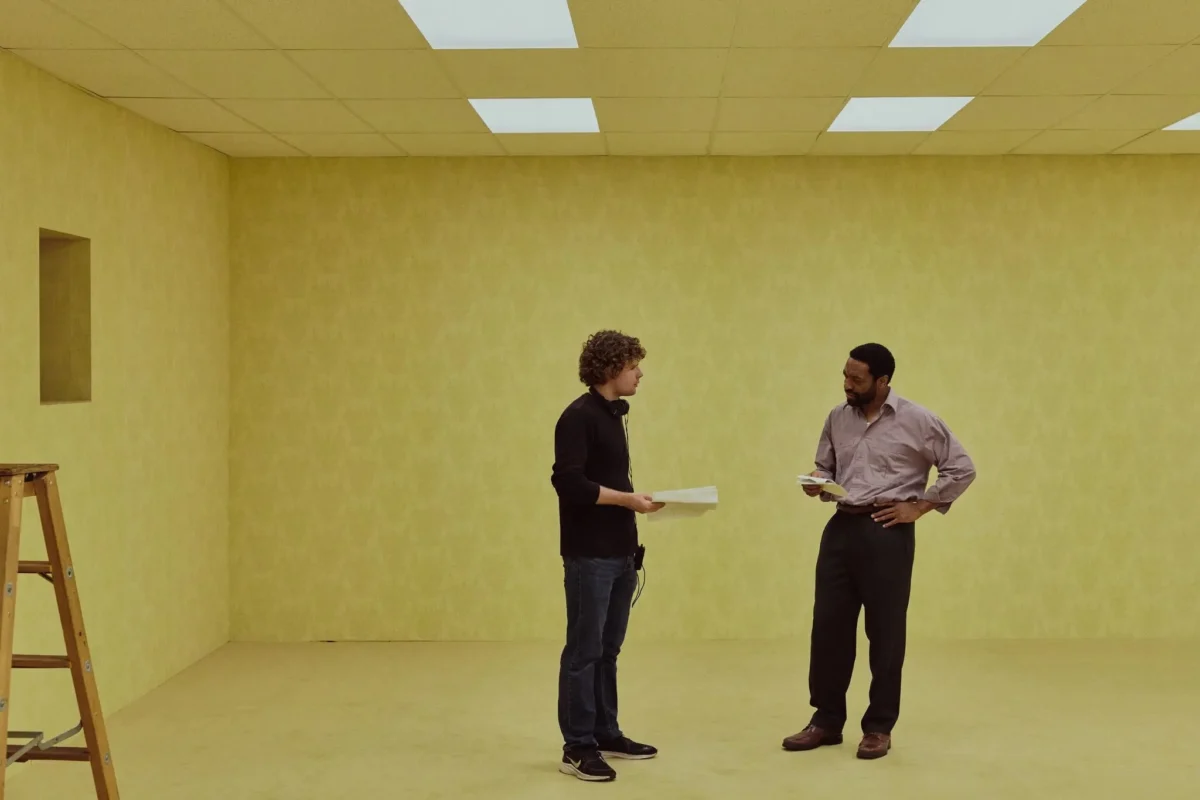
The cinematic landscape is currently experiencing a significant transformation, largely driven by a new wave of filmmakers emerging from the digital realm. This weekend’s box office results vividly illustrate this paradigm shift, with two independent horror films, "Backrooms" and "Obsession," dominating the charts and setting new financial benchmarks. Both films are helmed by creators who honed their craft and cultivated vast audiences on YouTube, signaling a powerful new pathway for talent acquisition and content distribution within the film industry.
A New Box Office Reign: "Backrooms" Shatters Expectations
Securing the coveted number one spot at the domestic box office is "Backrooms," a feature film adaptation that has resonated profoundly with audiences. Directed by Kane Parsons, the 20-year-old visionary behind the viral YouTube series, the film made an astounding $38 million on Friday alone. Projections indicate a remarkable opening weekend total of $80 million to $90 million, a figure that not only solidifies its commercial success but also marks a historic achievement for its distributor, A24.
This performance represents A24’s biggest opening weekend by a significant margin. The independent studio, renowned for its critically acclaimed and often genre-bending productions, previously held its record with "Civil War," which garnered $25.7 million in its debut weekend. The nearly threefold increase demonstrated by "Backrooms" underscores not only the film’s appeal but also the immense commercial power of an established, pre-existing digital fanbase translating directly into theatrical attendance. The film’s robust opening suggests a substantial crossover appeal, moving beyond its niche online origins to capture a broad theatrical audience.
The Genesis of "Backrooms": From 4chan to Feature Film
The concept of "The Backrooms" originated not in traditional screenwriting rooms but within the labyrinthine forums of 4chan, specifically as a creepypasta in 2019. It describes an endless maze of empty office spaces, characterized by damp carpets, monoyellow walls, and the unsettling hum of fluorescent lights – a quintessential example of "liminal spaces." This eerie, unsettling aesthetic quickly captured the internet’s imagination, spawning countless fan theories, artwork, and short films.
Kane Parsons, under his YouTube handle "Kane Pixels," began uploading a series of found-footage style videos in 2022 that brought the "Backrooms" concept to terrifying life. His meticulously crafted short films, utilizing CGI and clever camerawork, depicted explorers traversing these seemingly infinite, deserted environments, often encountering unseen entities or succumbing to the psychological horror of isolation. Parsons’ early videos, such as "The Backrooms (Found Footage)," quickly amassed tens of millions of views, demonstrating a profound understanding of atmospheric horror and effective world-building, despite his young age. His ability to translate a nascent internet phenomenon into a compelling visual narrative laid the groundwork for the feature film, proving that a deep understanding of a specific subgenre and direct engagement with its community can bypass traditional development hurdles. The transition from short-form digital content to a full-length theatrical release for "Backrooms" exemplifies a new model for content scaling, where audience validation precedes significant studio investment.
"Obsession" Defies Gravity with Unprecedented Box Office Growth
While "Backrooms" dominated the top spot, the number two film, "Obsession," achieved a feat that is arguably even more remarkable in its theatrical trajectory. "Obsession," a horror film about a romantic wish spiraling into a nightmare, took in $8 million on Friday and is projected to reach an estimated $28.5 million over the weekend. What distinguishes "Obsession"’s performance is its sustained and accelerating growth, defying conventional box office wisdom.
In its second weekend, "Obsession" had already surpassed its first-weekend earnings. Now, in its third weekend, the film is poised to grow an additional 19 percent. This trajectory is virtually unheard of in the modern film industry. Typically, wide-release films experience significant drops, often between 50 to 70 percent, in their second weekend. A film that falls less than 5 percent, like last year’s "Sinners," is hailed as an extraordinary word-of-mouth success. Outside of the unique circumstances of holiday releases, which benefit from extended viewing periods, a film growing from weekend to weekend is a statistical anomaly. According to reports from The Hollywood Reporter, "Obsession" is the first film since 1982 – over four decades ago – to demonstrate growth in both its second and third weekends, indicating an exceptionally strong and organic audience engagement that continues to build momentum. This unprecedented performance points to a potent combination of critical acclaim, positive audience reception, and a robust social media presence that is driving sustained interest.
Curry Barker: The Visionary Behind "Obsession"’s Viral Success
Much like "Backrooms," "Obsession" is a horror film directed by a filmmaker who first cultivated his artistic identity and audience on YouTube: Curry Barker. At 26 years old, Barker has quickly established himself as a formidable voice in the horror genre. His foundational work, an hour-long found-footage horror film titled "Milk & Serial," was released directly on YouTube in 2024. This film showcased Barker’s distinct style, characterized by its unsettling atmosphere, psychological depth, and effective use of low-budget, high-impact horror techniques. "Milk & Serial" garnered significant attention within the online horror community, demonstrating Barker’s ability to craft compelling narratives and generate suspense with limited resources.
Barker’s rapid ascent is further underscored by his active involvement in future projects. He has already completed shooting his next film, signaling a prolific creative output, and is slated to direct a new remake of the iconic horror classic "The Texas Chainsaw Massacre." This appointment to a major franchise reboot highlights the industry’s recognition of his unique talent and proven ability to connect with the modern horror audience, a direct result of his YouTube-era achievements. His trajectory suggests that the digital space is not merely a proving ground but a legitimate launchpad for mainstream directorial careers, particularly within the horror genre, which often thrives on innovative, grassroots storytelling.
Paving the Way: Markiplier’s "Iron Lung" and the Digital Precedent
The remarkable successes of "Backrooms" and "Obsession" are not isolated incidents but rather the latest, and perhaps most significant, examples in a burgeoning trend. Earlier this year, the film adaptation of the video game "Iron Lung" set a crucial precedent. Directed by Mark Fischbach, globally recognized by his YouTube alias Markiplier, "Iron Lung" grossed nearly $41 million domestically. Fischbach, with a subscriber base exceeding 37 million on YouTube, has built an empire around video game commentary, horror gameplay, and creative content production. His transition to feature filmmaking with "Iron Lung," an adaptation of a minimalistic horror game he himself popularized, demonstrated the immense potential of leveraging an existing digital audience for theatrical success.
"Iron Lung" provided a clear proof-of-concept: a creator with a massive, engaged online following could effectively mobilize that audience to support a cinematic venture. Markiplier’s film, much like Parsons’ and Barker’s, leaned heavily into the horror genre, a domain where independent productions and innovative storytelling often find receptive audiences. This success illuminated the viability of a direct-to-theatrical model for digital creators, challenging the traditional studio system’s gatekeeping and opening up new avenues for film financing and distribution. The cumulative success of "Iron Lung," "Backrooms," and "Obsession" paints a clear picture of a new, powerful force emerging in the film industry.
The Rise of the Creator-Filmmaker: A Shifting Industry Landscape
This "YouTube-to-filmmaker boomlet," as it has been termed, represents a fascinating evolution in content creation and distribution. For years, various YouTubers and digital influencers have attempted to transition into mainstream film and television, often with mixed results. Many have struggled to replicate their online success in traditional media, failing to attract a broader audience or translate their specific online appeal into a cinematic narrative. However, the recent string of successes suggests a maturation of this pipeline, driven by a new generation of creators who possess a deeper understanding of cinematic storytelling and a more cultivated, loyal fanbase.
Mark DelVecchio, general manager of Rutgers Cinema, commented on this phenomenon in a recent New York Times article, observing that while "lots of YouTubers have tried to make the leap to mainstream movies and come up short," what distinguishes Parsons, Barker, and Fischbach is their "longevity." This insight is critical. Parsons, at 20, has been creating sophisticated visual content for years. Barker, 26, has a history of producing high-quality short films and features for his online audience. Markiplier, a veteran of YouTube, has cultivated his massive following over more than a decade. This sustained engagement is not merely about accumulating subscribers but about building a community.
Cultivating Loyalty: The Key to Digital-to-Cinematic Transition
The concept of "longevity" translates directly into audience loyalty. As DelVecchio further elaborated, "At this point, some of them have been making videos for a very long time, and that’s how you develop a loyal audience that will follow you." This loyalty is not fleeting; it is built on years of consistent content, direct interaction, and a shared understanding of a creator’s unique voice and vision. When these creators announce a film project, their audience views it not as a celebrity vanity project but as a natural extension of the content they already consume and cherish. This built-in audience acts as a powerful marketing engine, generating organic buzz, pre-sales, and critical early box office numbers.
Furthermore, these creators often operate within specific genres, particularly horror, which has proven to be highly adaptable to independent filmmaking and online communities. Horror thrives on innovation, atmospheric tension, and often benefits from a grassroots approach, making it an ideal genre for digitally native filmmakers. Their understanding of internet culture, viral trends, and direct audience feedback allows them to craft narratives that resonate deeply with contemporary tastes, often tapping into collective anxieties or niche interests that mainstream studios might overlook. The found-footage style, a staple of online horror, also naturally lends itself to cost-effective production while maximizing psychological impact, a skill honed by these creators in their YouTube endeavors.
Implications for Hollywood and the Future of Genre Filmmaking
The phenomenal success of "Backrooms," "Obsession," and "Iron Lung" carries significant implications for the broader film industry.
Firstly, it signals a powerful new pipeline for talent discovery, challenging the traditional gatekeepers of Hollywood. Studios and production companies may increasingly look to successful YouTube channels and digital platforms as fertile ground for identifying directorial talent and viable intellectual property. This shifts the power dynamic, allowing creators to build their brand and audience independently before seeking major distribution.
Secondly, it underscores the enduring power and adaptability of the horror genre. Horror films are often produced on relatively modest budgets but can yield massive returns, making them attractive investments, especially when backed by a pre-existing fanbase. The genre’s flexibility allows for experimentation and niche storytelling, which aligns perfectly with the diverse content found on platforms like YouTube.
Thirdly, these successes highlight the evolving nature of film marketing and distribution. The traditional model relies heavily on advertising campaigns and critical reviews. While these still play a role, the organic word-of-mouth generated by loyal online communities, coupled with direct engagement from the creators, proves to be an incredibly potent force. This decentralized marketing power enables films to achieve sustained success, as evidenced by "Obsession"’s unprecedented box office growth.
Finally, the trend validates the idea that digital content creation is a legitimate and rigorous training ground for cinematic artistry. The technical skills involved in producing high-quality YouTube videos – editing, cinematography, sound design, storytelling, and audience engagement – are directly transferable to feature filmmaking. These creators are not simply influencers; they are filmmakers who have mastered their craft in a new, accessible medium.
Conclusion: A Paradigm Shift in Talent Discovery
The weekend’s box office results mark a pivotal moment, affirming the YouTube-to-prestige-horror pipeline as a formidable and increasingly vital source of cinematic talent and commercial success. Kane Parsons, Curry Barker, and Mark Fischbach represent a vanguard of creator-filmmakers who have not only shattered box office records but have also redefined the pathways to Hollywood. Their achievements demonstrate the immense power of sustained online engagement, the strategic advantage of genre specialization, and the undeniable appeal of creators who bring their established communities with them to the silver screen. As the film industry continues to evolve, the influence of these digitally native storytellers is only poised to grow, ushering in an exciting new era for independent cinema and mainstream entertainment alike.