
 Ronny Sianturi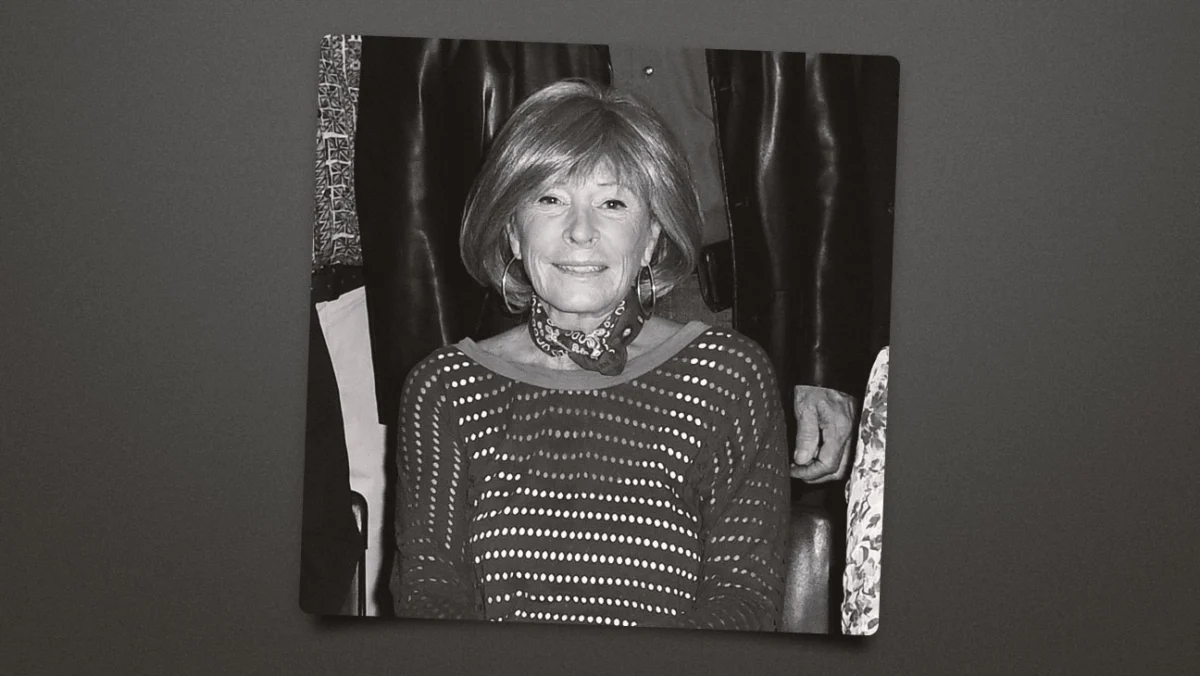
Marcia Lucas, the celebrated Oscar-winning film editor whose masterful work shaped the kinetic energy of the original Star Wars and significantly contributed to other landmark films of the 1970s and 80s, has died. She was 80 years old. Lucas passed away on Wednesday in Rancho Mirage, California, after a battle with cancer, her family confirmed.
A native Californian, Lucas (née Griffin) forged a distinguished career in an era when the film editing profession was predominantly male-dominated. Her early training began through the Motion Picture Editors Guild apprenticeship program, a crucial stepping stone that provided her with foundational skills. She later served as an assistant to Verna Fields, a pioneering female editor whose own impressive resume included the iconic shark thriller Jaws and the critically acclaimed Paper Moon. This tutelage under Fields undoubtedly provided Lucas with invaluable insights and practical experience that would later define her own directorial contributions.
Lucas’s professional journey became intertwined with that of director George Lucas, whom she married in 1969. Her initial involvement in his directorial efforts saw her serve as an assistant editor on his stark, dystopian science fiction debut, THX 1138. This early collaboration laid the groundwork for a significant partnership that would redefine cinematic storytelling.
The true emergence of Marcia Lucas as a formidable editing talent came with George Lucas’s next feature, the nostalgic coming-of-age classic American Graffiti. Collaborating once again with Verna Fields, Marcia’s sharp eye and intuitive sense of rhythm were instrumental in shaping the film’s vibrant, ensemble narrative. Her contribution to American Graffiti earned her first Academy Award nomination for Best Film Editing in 1974. While the Oscar that year went to William Reynolds for The Sting, the nomination served as a powerful testament to her burgeoning talent and a clear indication of her potential to shape the future of film.
Her defining moment, however, arrived with the groundbreaking science fiction epic Star Wars (1977). Alongside fellow editors Paul Hirsch and Richard Chew, Marcia Lucas was awarded the Academy Award for Best Film Editing for her crucial role in bringing George Lucas’s visionary galaxy far, far away to life. The impact of her editing on Star Wars cannot be overstated. In a review from The Hollywood Reporter in 1977, the film’s editing was specifically lauded as "perfectly paced," a critical element in maintaining the film’s relentless momentum and immersive quality. Author Dale Pollock, in his comprehensive biography Skywalking: The Life and Films of George Lucas, referred to Marcia as her husband’s "secret weapon," highlighting the profound and often understated significance of her creative input. The emotional resonance of the film, particularly the dramatic sequences, was often attributed to her skill in shaping the narrative flow and character development. George Lucas himself later acknowledged her particular talent for handling the "dying and crying," or the emotional core of scenes, on subsequent projects.
Marcia Lucas’s contributions extended beyond her work with her then-husband. She also lent her considerable talents to the films of acclaimed director Martin Scorsese. Her editing work on Scorsese’s Alice Doesn’t Live Here Anymore (1974) showcased her ability to craft intimate character studies. She further demonstrated her versatility and command of different cinematic styles through her contributions to two of Scorsese’s most iconic films: the gritty urban drama Taxi Driver (1976) and the musical romance New York, New York (1977). These collaborations placed her at the forefront of American cinema during its most dynamic and experimental period.
In a 1983 interview with Time Magazine, Lucas reflected on her passion for her craft, stating, "I love film editing. I have an innate ability to take good material and make it better, and to take bad material and make it fair. I think I’m even an editor in life." This sentiment underscored her deep understanding of narrative construction and her belief in the transformative power of editing, not just in film but in life itself.
The marriage to George Lucas concluded in divorce in 1983. Later, she married and divorced artist Tom Rodrigues. She is survived by her daughters, Amanda Lucas and Amy Soper, and her grandchildren, who represent the continuation of her legacy.
A Legacy of Cinematic Innovation
Marcia Lucas’s career spanned a pivotal era in Hollywood history, marked by the rise of the blockbuster and the increasing sophistication of filmmaking techniques. Her work on Star Wars not only contributed to one of the most commercially successful and culturally significant films of all time but also set a new standard for visual storytelling and pacing in science fiction cinema. The film’s revolutionary use of special effects was amplified by its tight editing, which seamlessly integrated groundbreaking visual artistry with compelling character arcs and thrilling action sequences.
The economic impact of Star Wars was immense, fundamentally altering the landscape of the film industry and ushering in an era of franchise filmmaking. Lucas’s editing was a critical component of this success, ensuring that the complex narrative and expansive world-building remained accessible and engaging for audiences worldwide. The film’s enduring popularity, with its consistent presence in popular culture and its numerous sequels and spin-offs, speaks to the foundational quality of the original’s construction, a testament in no small part to Marcia Lucas’s skill.
Trailblazing for Women in Film
Beyond her technical prowess, Marcia Lucas stands as a significant figure for women in the film industry. In the 1970s, a time when women were largely relegated to support roles, she achieved a level of prominence and critical acclaim rarely seen for female editors. Her Oscar win for Star Wars was a landmark achievement, demonstrating that women could excel at the highest levels of a technically demanding and creatively intensive field. Her success paved the way for future generations of female editors and filmmakers, challenging established norms and opening doors for greater inclusivity.
The film industry has made strides in gender diversity since Lucas’s early career, but challenges remain. Data from the American Cinema Editors (ACE) has consistently shown that women remain underrepresented in the editing profession, though the numbers have seen a slow but steady increase. Figures from organizations like Women in Film and Television consistently highlight the ongoing need for greater representation and support for women across all sectors of the industry. Lucas’s pioneering spirit serves as an enduring inspiration in this ongoing effort.
Chronology of a Notable Career
- Early Life and Training: Born Marcia Griffin in California, she began her editing career through the Motion Picture Editors Guild apprenticeship program.
- Mentorship: Served as an assistant to acclaimed editor Verna Fields, gaining foundational experience.
- Early Collaborations with George Lucas: Worked as an assistant editor on THX 1138 (1971).
- Breakthrough with American Graffiti: Co-edited George Lucas’s American Graffiti (1973), earning her first Oscar nomination for Best Film Editing.
- Oscar Triumph with Star Wars: Edited the original Star Wars (1977), winning the Academy Award for Best Film Editing alongside Paul Hirsch and Richard Chew.
- Work with Martin Scorsese: Edited Alice Doesn’t Live Here Anymore (1974), Taxi Driver (1976), and New York, New York (1977).
- Continued Work on the Star Wars Saga: Edited Return of the Jedi (1983).
- Personal Life: Divorced George Lucas in 1983. Later married and divorced artist Tom Rodrigues.
- Passing: Died on Wednesday, [Insert Date of Death], in Rancho Mirage, California, at the age of 80, from cancer.
Statements and Reactions
While specific public statements from major figures in the film industry following Marcia Lucas’s death have yet to be widely released, the impact of her work and her pioneering status would undoubtedly elicit profound tributes. Colleagues and collaborators from her storied career, including those involved with Star Wars and Martin Scorsese’s films, would likely speak to her dedication, talent, and the indelible mark she left on their projects. Directors, producers, and fellow editors would almost certainly recognize her technical mastery and her crucial role in shaping some of cinema’s most beloved narratives. The family’s statement, describing her as a "brilliant storyteller," a "trailblazer for women in film," and a source of "humor and sparkle," offers a glimpse into the personal and professional admiration she commanded.
Broader Impact and Implications
Marcia Lucas’s passing marks the end of an era for a filmmaker whose contributions were fundamental to some of the most influential films of the late 20th century. Her legacy extends beyond her technical achievements to her role as a trailblazer for women in a male-dominated industry. Her Oscar win and subsequent high-profile work demonstrated that women could not only participate in but also lead the creative and technical aspects of filmmaking at the highest level.
The enduring appeal of films like Star Wars and Taxi Driver is a testament to the power of skillful editing. Lucas’s ability to sculpt narrative, control pacing, and elicit emotional responses from audiences highlights the critical, often invisible, role of the editor. In an age where visual effects and spectacle often dominate discussions of blockbuster filmmaking, Lucas’s work serves as a vital reminder that compelling storytelling relies on the foundational craft of editing. Her influence continues to resonate, shaping the way stories are told and experienced on screen, and inspiring future generations to pursue careers in the art and science of film editing.








