Danny Garick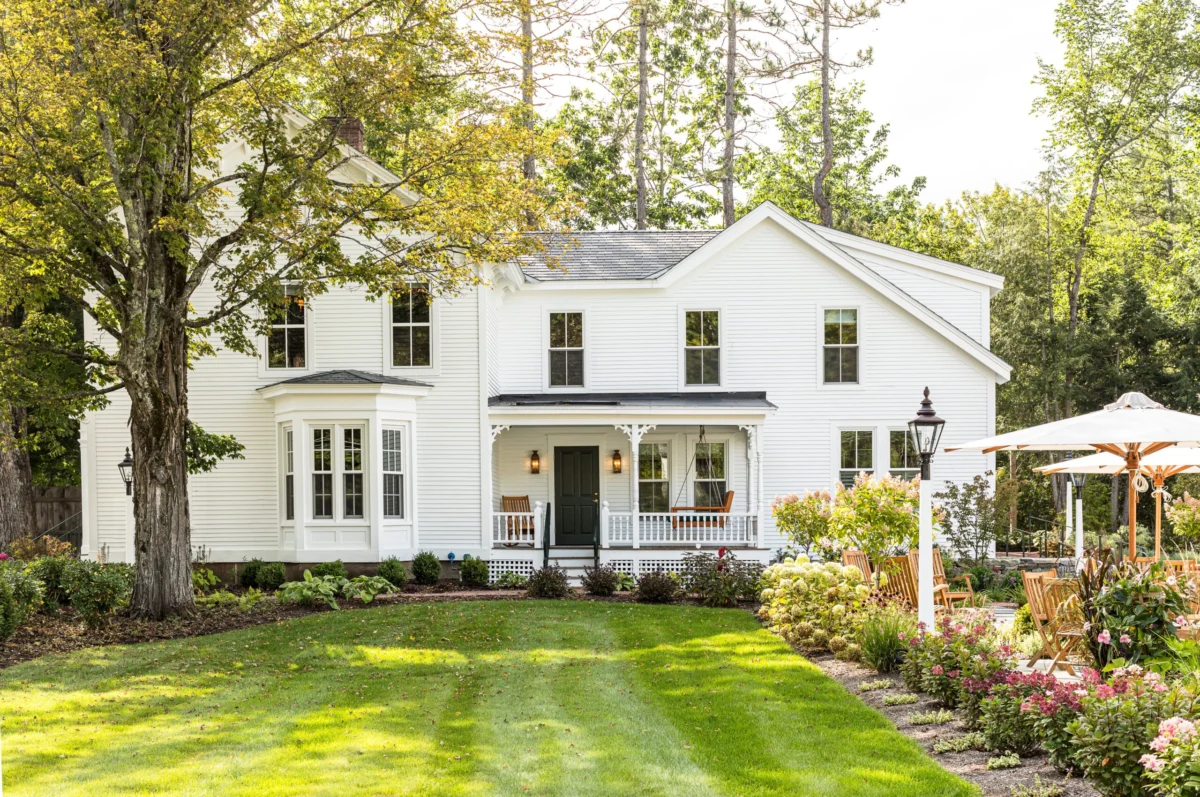
The hospitality landscape in New England has undergone a significant transformation with the emergence of The Weston, a boutique property that integrates high-end metropolitan service standards with the rigorous demands of regenerative agriculture. Located in the historic town of Weston, Vermont, approximately four hours north of New York City, the establishment serves as a case study in the "hyper-local" movement, where the boundary between a luxury hotel and a working farm is intentionally blurred. Owned and operated by the Sharp family—famed for their stewardship of iconic New York institutions such as the Carlyle and the Gramercy Park Hotel—The Weston represents a shift in luxury travel preferences, moving away from standardized opulence toward authentic, site-specific experiences.
The Genesis of a Modern Landmark: Heritage and Chronology
The development of The Weston is rooted in the multi-generational expertise of the Sharp family, whose influence on the New York City hotel scene defined the "haute bohemian" aesthetic of the late 20th century. By bringing this pedigree to rural Vermont, the owners have sought to address a growing demand among urban professionals for escapes that provide a "decompression" from metropolitan stressors without sacrificing the quality of service, gastronomy, or aesthetic refinement.
The property itself is a restored colonial-style white clapboard building, accented with dark green shutters and situated on a meticulously maintained lawn that reflects the traditional New England vernacular. However, the internal renovation reflects a more global, curated approach. The hotel features eight guest rooms, each equipped with working fireplaces, porcelain bathtubs, and four-poster beds. The interior design utilizes the owners’ personal collection of antiques and fine art, creating an atmosphere that feels more like a private estate than a commercial lodging.

The chronology of The Weston’s recent evolution includes a significant expansion of its culinary and agricultural footprint. Following the successful establishment of its flagship restaurant, The Left Bank, the property invested in a 50-acre regenerative farm. Most recently, in late 2023, the hotel unveiled "The Green Cat," a multi-functional space comprising a bakery, café, gourmet grocer, and culinary classroom, further cementing its position as a regional hub for gastronomic education.
The Regenerative Model: Integrating Agriculture and Gastronomy
At the core of The Weston’s operational philosophy is its 50-acre regenerative farm, managed by lead farmer Briana Grosodonia. Unlike traditional "farm-to-table" marketing, which often relies on third-party suppliers, The Weston’s model is vertically integrated. During peak growing seasons, the farm provides approximately 90% of the produce utilized by the hotel’s onsite restaurant, The Left Bank.
Regenerative agriculture goes beyond organic standards, focusing on soil health, carbon sequestration, and biodiversity. The farm includes a 100×150-foot outdoor growing area and two 20×100-foot greenhouses designed for four-season production. This infrastructure allows the kitchen to maintain a steady supply of fresh ingredients even during Vermont’s harsh winters. The farm operates with a strict adherence to ecological restoration, utilizing no-till methods and avoiding all synthetic fertilizers, pesticides, and herbicides.
Executive Chef Bretton Combs, an alumnus of high-profile kitchens including San Francisco’s SPIN and Cat Cora’s Kitchen, maintains a daily collaborative relationship with the farming team. This partnership allows for the cultivation of heirloom varieties and specialty crops specifically tailored to the restaurant’s menu requirements. For instance, the "Daily Vegetable" offering at The Left Bank is determined by what is at its peak maturity each morning, ranging from roasted salsify in the winter to marbled black strawberry tomatoes in the late summer.

Culinary Operations: The Left Bank and The Green Cat
The culinary program at The Weston is designed to reconcile traditional French techniques with Vermont’s rustic terroir. The Left Bank offers a menu that includes French classics such as steak au poivre, chicken liver mousse, and celeriac remoulade, alongside a tableside steak tartare service and a full caviar program. This duality—serving haute cuisine in a rural setting—is intended to meet the expectations of "city-dwelling standards" while remaining grounded in local hospitality.
The restaurant’s commitment to excellence is reflected in its wine program, which has received the Wine Spectator Award of Excellence for two consecutive years. The private dining room, located in the property’s wine cellar, hosts monthly chef’s tasting menus, providing an intimate setting for guests to explore the intersection of farm-fresh produce and global viticulture.
The recent addition of The Green Cat, helmed by pastry chef Mary Pisanelli, expands this mission into the realm of retail and education. The facility features a robust bread program with 11 varieties on rotation, including signature sourdough boules and the "Fat Cat" bialy. The space also includes a "Demonstration Kitchen," where guests can participate in workshops on advanced culinary techniques, such as the lamination of croissants. This move toward experiential luxury—where guests do not just consume a product but learn the craft behind it—is a significant trend in the modern hospitality sector.
Supporting Data: The Economic and Environmental Impact
The Weston’s model provides several data points regarding the viability of sustainable luxury in rural areas:

- Supply Chain Efficiency: By producing 90% of its produce onsite during peak months, the hotel significantly reduces its carbon footprint associated with food transportation. Excluding citrus and select specialty items, the majority of the menu’s ingredients travel less than five miles from soil to plate.
- Seasonal Extension: The use of 4,000 square feet of greenhouse space allows for a "four-season" culinary calendar, providing fresh greens and root vegetables even when the ground is frozen, which stabilizes food costs and maintains quality year-round.
- Local Tourism Synergy: The hotel acts as an anchor for the local economy. Its proximity to the Vermont Country Store and regional attractions like Hildene (the Lincoln family mansion and goat farm) and Manchester Hot Glass creates a "tourism cluster" that encourages longer stays and higher per-visitor spending in the region.
- Employment and Education: The Green Cat’s culinary classroom represents an investment in human capital, offering professional-grade instruction to both guests and locals, which can bolster the regional hospitality workforce.
Official Perspectives and Industry Implications
Industry analysts view The Weston as a bellwether for the "New New England" style of hospitality. According to statements from the management team, the goal is to provide a "warm, personable, and unpretentious" environment that belies the complexity of the back-end operations. Chef Bretton Combs has noted that the partnership between the kitchen and the farm "moves beyond a simple transaction," serving as a mutual education process that pushes the boundaries of what is culinarily possible with local soil.
From a broader perspective, the success of The Weston suggests that the luxury market is increasingly valuing transparency and sustainability. The "farm-to-table" label has become ubiquitous, but The Weston’s literal implementation—owning the farm and the farmer-chef dialogue—sets a higher bar for authenticity. This model also addresses the "seasonal volatility" of rural tourism by offering high-quality indoor experiences (the spa, the wine cellar, the culinary classroom) that are not dependent on weather conditions such as snow levels or autumn foliage.
Broader Impact: The Future of Rural Luxury
The Weston’s impact extends beyond the town of Weston. It represents a broader movement of "reverse migration" where metropolitan expertise is being redirected into rural communities to create high-value, sustainable businesses. This trend has the potential to revitalize historic towns that have previously struggled with the decline of traditional industries.
Furthermore, the emphasis on regenerative farming positions The Weston as an environmental steward. In an era where travelers are increasingly conscious of their environmental impact, properties that can demonstrate a net-positive effect on the local ecosystem are likely to see higher loyalty and brand prestige. The integration of zero-pesticide farming and ecological restoration into a five-star hotel experience proves that sustainability and luxury are not mutually exclusive but are, in fact, increasingly interdependent.

As the hospitality industry continues to recover and evolve in the post-pandemic era, The Weston stands as a refined example of how to balance heritage with innovation. By combining the Sharps’ legendary NYC hospitality pedigree with a rigorous, science-based approach to agriculture, the property offers a blueprint for the future of the American weekend getaway: one that is quiet, star-filled, and deeply connected to the land, yet uncompromising in its pursuit of excellence.