Nila Kartika Wati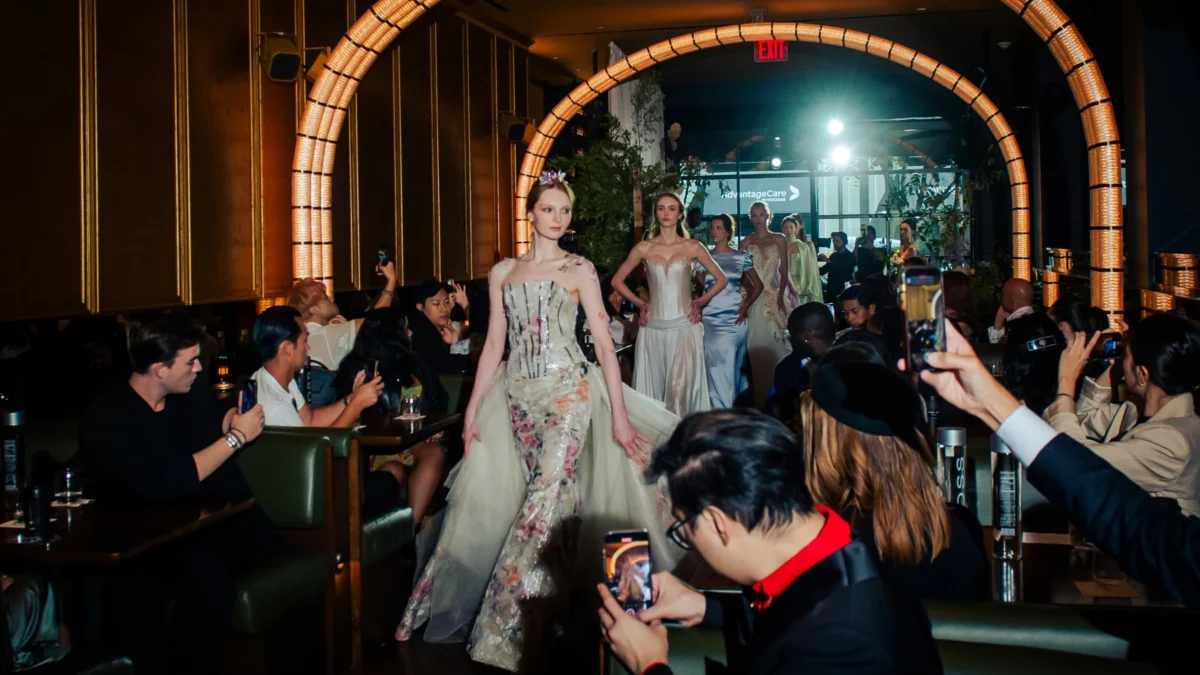
The landscape for independent fashion designers seeking to establish and grow their brands has undergone a seismic shift, presenting unprecedented challenges in achieving discoverability amidst the burgeoning influence of artificial intelligence and a rapidly evolving retail ecosystem. This was a central theme discussed by six promising designers participating in Raise Fashion’s 2026 masterclass, a prestigious program designed to foster the next generation of industry leaders. Andrew Kwon, Mckenzie Liautaud, Natasha Das, Patricio Campillo, Rodney Patterson, and Shao Yang, each at a critical juncture in their brand’s development, shared candid insights into the complex decisions defining their paths forward.
The core of their discussion revolved around the erosion of traditional pathways to market visibility and the rise of new, often opaque, digital forces. Historically, wholesale relationships with established retailers served as a crucial springboard for emerging labels, offering a tangible presence and access to a broader customer base. However, the current economic climate has significantly altered this dynamic. Rising operational costs and intense competition have led to substantial margin compression, making it increasingly difficult for smaller brands to absorb the financial pressures associated with wholesale agreements. This squeeze on profitability limits reinvestment in design, marketing, and essential growth initiatives, creating a precarious financial tightrope for many independent designers.
“Wholesale used to be the gold standard for getting your brand seen,” noted one designer anonymously during the masterclass. “But now, the margins are so thin, it often feels like you’re working to subsidize someone else’s inventory. We have to be incredibly strategic about which partnerships we pursue, and frankly, many just aren’t viable anymore.”
This financial constraint has amplified the importance of direct-to-consumer (DTC) channels. The digital revolution, spearheaded by e-commerce platforms and social media, has ostensibly democratized access to the end consumer, removing intermediaries and allowing brands to build direct relationships. However, this newfound accessibility has also ushered in an era of hyper-competition for consumer attention. The digital marketplace, while vast, is also incredibly noisy. Every brand, from established luxury houses to nascent startups, is vying for the same limited screen time and purchasing consideration.
“It’s a constant battle to cut through the noise,” explained Mckenzie Liautaud, known for his intricate and ethically sourced designs. “We can build beautiful websites and create compelling content, but if people aren’t seeing it, or if algorithms aren’t surfacing it to the right audience, all that effort can feel like shouting into the void.”
The very platforms that once facilitated organic discovery have themselves transformed. Social media, initially a space where genuine engagement and word-of-mouth could propel brands forward, has become increasingly dominated by sophisticated algorithms, substantial advertising budgets, and the pervasive influence of artificial intelligence. These technological advancements, while offering powerful tools for targeted marketing, also create a complex and often inscrutable environment for designers who lack the resources of larger corporations.
"The algorithms are king now," observed Patricio Campillo. "You can have a fantastic product, but if your content doesn’t align with what the algorithm prioritizes at that moment, it simply won’t reach the audience. It requires a constant learning curve and a willingness to adapt your strategy on the fly."
The Rise of AI and its Implications for Fashion Discovery
The integration of artificial intelligence across various facets of the fashion industry is no longer a future prospect but a present reality, profoundly impacting how brands are discovered and how consumers engage with fashion. AI-powered recommendation engines, personalized shopping experiences, and even AI-generated content are reshaping the digital consumer journey. For independent designers, this presents a dual-edged sword.
On one hand, AI offers potential for unprecedented personalization and efficiency. Tools can analyze vast datasets to identify niche audiences, predict trends, and optimize marketing spend. AI can also assist in tasks like product development, quality control, and even customer service, freeing up valuable time and resources for smaller teams. For instance, AI-driven trend forecasting can help designers anticipate market demands, reducing the risk of overproduction and aligning collections with consumer preferences more effectively. The ability to leverage AI for more efficient supply chain management can also translate into cost savings and a more sustainable operational model.
However, the ethical and practical implications of AI in discovery are a significant concern. The opacity of many AI algorithms means that brands may struggle to understand why their content is being prioritized or deprioritized. This can lead to a reliance on "gaming the algorithm" rather than focusing on core brand building and product innovation. Furthermore, the potential for AI to exacerbate existing inequalities is a recognized issue. Brands with greater access to data and AI expertise may gain an unfair advantage, further marginalizing smaller players.
Andrew Kwon, whose eponymous brand has gained recognition for its sophisticated eveningwear, highlighted this tension. "AI is incredibly powerful for understanding consumer behavior and optimizing campaigns. But we also have to be mindful that it’s a tool that can be wielded differently depending on your resources. We are constantly trying to balance leveraging these new technologies with maintaining the authenticity and artistry that define our brand."
The challenge is compounded by the sheer volume of digital content being generated. With the proliferation of AI tools capable of creating images, text, and even video, the internet is becoming saturated with fashion-related material. Standing out in this environment requires not just creativity but also a sophisticated understanding of digital marketing, SEO, and audience engagement strategies.
Strategic Distribution Decisions: The Linchpin of Brand Identity
The masterclass underscored that in this complex environment, the decisions independent designers make regarding their distribution channels are not merely logistical but are intrinsically linked to their brand identity and long-term viability. The choice between wholesale, DTC, or a hybrid model is a strategic imperative that dictates everything from brand perception to financial health.
For some designers, a curated approach to wholesale remains essential, albeit with a more selective partner strategy. This might involve partnering with high-end boutiques or concept stores that align with their brand’s aesthetic and values, even if it means fewer doors. The focus shifts from volume to quality of placement, ensuring that the brand is presented in an environment that reinforces its luxury positioning.
“We’re looking for partners who understand our vision and can communicate it to their customers,” explained Natasha Das. “It’s less about being in every department store and more about being in the right stores where our clientele shops and where our brand story can be told effectively.”
Others are doubling down on DTC, investing heavily in building robust e-commerce platforms, engaging content strategies, and exceptional customer service. This allows for greater control over brand messaging, pricing, and the overall customer experience. It also provides valuable first-party data that can inform product development and marketing efforts. However, the cost of customer acquisition in a DTC model can be substantial, requiring significant investment in digital advertising and influencer marketing.
Rodney Patterson, whose work often explores themes of cultural heritage and identity, emphasized the importance of building a community around his brand. “For us, DTC is not just about selling clothes; it’s about building a loyal following. We use our online platforms to share our story, connect with our customers on a deeper level, and create a sense of belonging. This community is our most valuable asset.”
The rise of rental and resale platforms also presents new distribution avenues, offering both opportunities and challenges. While these platforms can increase a brand’s reach and promote sustainability, designers must carefully consider how their products are represented and whether these secondary markets align with their primary brand positioning.
Raise Fashion: A Catalyst for Growth and Resilience
Raise Fashion, an organization dedicated to supporting emerging talent in the fashion industry, plays a crucial role in equipping designers with the knowledge and networks necessary to navigate these evolving challenges. The masterclass series, a cornerstone of their programming, provides a vital platform for peer-to-peer learning and expert mentorship. By bringing together designers like Kwon, Liautaud, Das, Campillo, Patterson, and Yang, Raise Fashion fosters a collaborative environment where shared experiences and innovative solutions can emerge.

The 2026 masterclass, held over a series of sessions throughout the year, provided a structured curriculum that addressed key business imperatives. These included financial planning, supply chain optimization, marketing and branding strategies, and the critical topic of digital discoverability. The program’s timing is particularly relevant, coinciding with a period of significant technological disruption and economic recalibration within the global fashion industry.
The inclusion of experts in AI, digital marketing, and retail strategy offered participants actionable insights. Workshops focused on understanding AI-driven analytics, developing effective content for social media algorithms, and building resilient DTC models. The program also facilitated networking opportunities with established industry figures, providing designers with access to crucial advice and potential partnerships.
The fact that these six designers were selected for the masterclass signifies their potential and the recognition of their unique contributions to the fashion landscape. Their collective insights offer a compelling snapshot of the current state of independent fashion, highlighting the resilience, adaptability, and strategic thinking required for success in the 21st century.
The Path Forward: Authenticity, Adaptability, and Strategic Foresight
The overarching message from the Raise Fashion masterclass is that for independent designers, building discoverability in the current climate is not about finding a single magic bullet. Instead, it requires a multifaceted approach that prioritizes authenticity, embraces adaptability, and demands strategic foresight.
Brands must continue to invest in creating high-quality, desirable products that resonate with their target audience. However, the pathway to making those products visible is increasingly complex. This necessitates a deep understanding of the digital ecosystem, including the evolving role of AI and social media algorithms. Designers need to be data-literate, capable of interpreting analytics to inform their marketing and content strategies.
The decisions around distribution are paramount. Whether it’s a carefully selected wholesale partnership, a robust DTC operation, or a combination of both, each channel must be chosen strategically to align with the brand’s identity and financial realities. The ability to build direct relationships with consumers, fostering loyalty and community, is likely to be a key differentiator.
Furthermore, the fashion industry is increasingly embracing principles of sustainability and ethical production. Brands that can authentically integrate these values into their operations and communicate them effectively to consumers will likely find favor. This can also become a powerful tool for differentiation and discoverability, appealing to a growing segment of conscious consumers.
As AI continues to permeate every aspect of business, independent designers must view it not as an insurmountable obstacle, but as a tool to be understood and leveraged. The challenge lies in harnessing its power without compromising brand integrity or becoming overly reliant on opaque algorithmic dictates.
The journeys of Andrew Kwon, Mckenzie Liautaud, Natasha Das, Patricio Campillo, Rodney Patterson, and Shao Yang, as shared within the Raise Fashion masterclass, offer a glimpse into the future of independent fashion. It is a future defined by innovation, strategic agility, and an unwavering commitment to the creative vision that underpins each brand. The ability to adapt to technological shifts, navigate complex retail landscapes, and authentically connect with consumers will be the defining characteristics of success for the next generation of fashion leaders. The path to discoverability is no longer a straight line but a dynamic and evolving terrain, demanding constant learning and strategic evolution.