Ronny Sianturi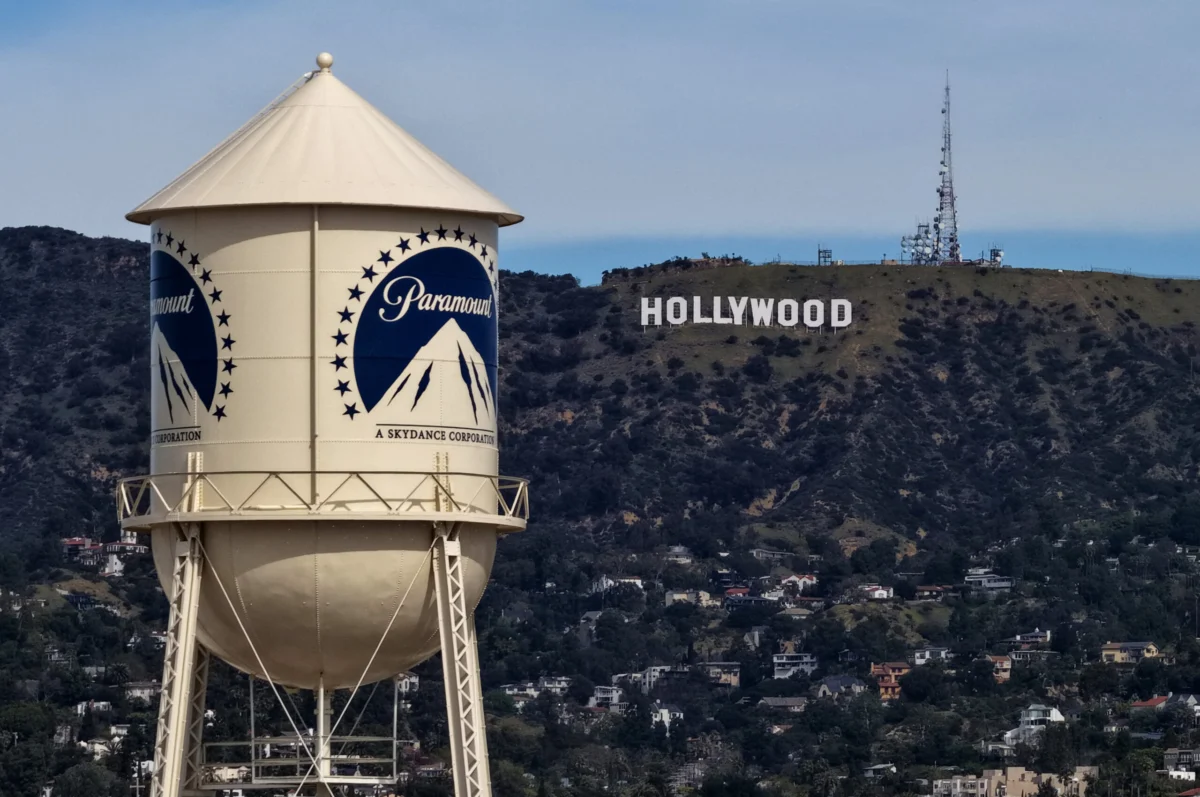
Jeffrey Kessler, a legal luminary renowned for his formidable track record in antitrust litigation, has been enlisted to spearhead the defense of Paramount’s ambitious $110 billion acquisition of Warner Bros. Discovery. This strategic appointment comes at a critical juncture, as the landmark media merger, poised to dramatically reshape the entertainment landscape, faces its initial legal challenges from consumer groups. Kessler, who recently achieved a significant victory for multiple states in their antitrust lawsuit against Live Nation, brings a wealth of experience and a reputation for navigating complex, high-stakes legal battles.
While Paramount anticipates no immediate challenges from federal or state regulatory bodies, such as the Justice Department or foreign competition authorities, the engagement of Kessler underscores the studio’s preparedness for any potential legal hurdles. According to sources close to the situation, Kessler would be at the forefront of Paramount’s defense should any such inquiries or lawsuits materialize. This proactive legal strategy signals Paramount’s commitment to ensuring a smooth and successful completion of the acquisition.
The inclusion of Kessler significantly bolsters Paramount’s already robust legal team. This formidable group is being steered by Makan Delrahim, a former Assistant Attorney General for Antitrust under the Trump administration. Further strengthening the legal contingent are David Gelfand, who previously served as Deputy Assistant Attorney General for Litigation in the antitrust division during the Obama presidency, and legal experts from the distinguished firms of Latham & Watkins and Cravath, Swaine & Moore. These legal powerhouses have been diligently working to secure the necessary regulatory approvals for the monumental transaction.
The legal battleground has already seen its first engagement. On Friday, a federal judge officially accepted Kessler’s application to represent Paramount in a lawsuit initiated by consumers who are contesting the merger. This consumer-led lawsuit is being widely regarded as the opening salvo in what is expected to be a protracted legal and regulatory saga surrounding the acquisition, an event that promises to usher in a new era for Hollywood.
Kessler’s Fiery Rebuttal to Consumer Lawsuit
In response to the consumer lawsuit, Kessler issued a staunch statement characterizing the complaint as "baseless." He further asserted that the legal filing "resorts to political scaremongering that is both inaccurate and irrelevant to the antitrust analysis." This forceful denouncement indicates Kessler’s belief that the plaintiffs are employing tactics that extend beyond the scope of legitimate antitrust concerns.
"What we do learn from the complaint is that there is no credible antitrust case to be brought against the Paramount/Warner Bros. merger," Kessler declared, underscoring his conviction in the legality and competitive soundness of the proposed transaction. He elaborated on his professional ethos, stating, "In my many years of practice championing competition and the interests of consumers, athletes, and workers, I have rarely seen such a weak case seeking to block a transaction." This assertion, coming from an attorney with such a distinguished history of advocating for consumer and worker rights, carries significant weight and suggests a fundamental lack of merit in the current legal challenge.
A Legacy of Landmark Antitrust Victories
Kessler’s reputation as a formidable antitrust litigator is well-earned, built upon a foundation of groundbreaking victories. As the co-executive chair of Winston & Strawn, he has consistently demonstrated an exceptional ability to champion plaintiff-side cases, often against deeply entrenched corporate interests. One of his most celebrated achievements was securing a landmark ruling in 2019 against the National Collegiate Athletic Association (NCAA) on behalf of student-athletes. This pioneering antitrust lawsuit challenged the NCAA’s long-standing restrictions on athlete compensation. The court’s decision fundamentally altered the landscape of college sports, paving the way for student-athletes to profit from their name, image, and likeness (NIL) – a seismic shift that continues to resonate throughout collegiate athletics.
More recently, in the past year, Kessler was instrumental in representing a coalition of over 30 states that opposed a settlement reached between the Justice Department and Live Nation. The states argued that the proposed settlement did not adequately address Live Nation’s monopolistic practices in the live event ticketing industry. The case culminated in a jury verdict that found the company had indeed operated as a monopoly, violating federal and state antitrust laws. This victory underscored Kessler’s prowess in holding powerful corporations accountable for anti-competitive behavior.
Furthermore, in 2023, Kessler successfully secured the dismissal of an antitrust lawsuit brought forth by Broadway producer Garth Drabinsky. Drabinsky had sued the Actors’ Equity Association after being placed on the union’s "Do Not Work" list, a move that significantly hindered his ability to produce theatrical productions. Kessler’s legal acumen in this instance protected the union’s disciplinary processes from what was deemed an unfounded antitrust claim.
The Consumer Lawsuit: Allegations and Implications
The lawsuit filed by Paramount subscribers last month presents a direct challenge to the proposed merger, alleging that the acquisition of Warner Bros. Discovery by Paramount will result in a substantial reduction of competition across several key sectors of the media industry. Specifically, the complaint asserts that the merger will negatively impact competition within streaming services, news dissemination, and theatrical distribution, thereby violating established antitrust laws. In response to these allegations, the legal representatives for the consumers formally moved on Wednesday for a preliminary injunction, seeking to halt the deal from proceeding while the lawsuit is adjudicated.
The core of the consumers’ argument appears to center on the potential for increased market concentration and reduced consumer choice. In an industry already characterized by rapid consolidation and evolving distribution models, the combination of two major media conglomerates raises legitimate questions about the future competitive landscape. Critics of the deal suggest that the merged entity could wield significant market power, potentially leading to higher prices for consumers, fewer innovative offerings, and a diminished diversity of content.
A Strategic Legal Assembly for Paramount
Paramount’s defense strategy is not solely reliant on Kessler’s considerable expertise. The studio has assembled a formidable legal arsenal, including Winston & Strawn partners Jeanifer Parsigian, Conor Reidy, Kevin Goldstein, and Matt Huppert. Each of these legal professionals brings extensive experience in antitrust litigation, further fortifying Paramount’s position. This coordinated effort reflects a deep understanding of the intricate legal and regulatory frameworks governing large-scale corporate mergers and a commitment to vigorously defending the transaction.
Broader Context and Potential Timeline of the Deal
The proposed merger between Paramount and Warner Bros. Discovery represents a significant consolidation within the global media and entertainment sector. The $110 billion valuation underscores the immense scale and strategic importance of this transaction. The negotiations and discussions leading up to this point have likely been complex, involving extensive due diligence, financial structuring, and strategic planning.
The timeline for regulatory approval of such a monumental deal is typically protracted, often spanning several months to over a year. This period involves thorough reviews by antitrust authorities in various jurisdictions, including the United States, and potentially other key international markets where the companies operate. These reviews typically assess the potential impact of the merger on market competition, consumer welfare, and industry innovation.
The initial consumer lawsuit, while not a direct regulatory challenge, can influence the perception and scrutiny of the deal by government agencies. If the consumer lawsuit gains traction or highlights significant competitive concerns, it could prompt a more in-depth investigation by the Justice Department or the Federal Trade Commission.
The broader implications of this merger are far-reaching. Should it proceed, the combined entity would possess a vast portfolio of intellectual property, a diverse range of content production capabilities, and a significant presence across various distribution channels, including streaming, broadcast television, and theatrical releases. This could lead to a reevaluation of competitive strategies by other major players in the media industry, potentially triggering further consolidation or strategic realignments.
Analyzing the Antitrust Landscape
Antitrust law, particularly in the context of mergers and acquisitions, aims to prevent transactions that would substantially lessen competition or tend to create a monopoly. Regulators and courts typically examine several factors, including market share, the ease with which new competitors can enter the market, the potential for the merged entity to raise prices or reduce quality, and the impact on innovation.
Kessler’s defense will likely focus on demonstrating that the Paramount-Warner Bros. Discovery merger does not pose a significant threat to competition. This could involve arguments that the market is sufficiently competitive, that the merged entity will enhance efficiency and offer greater value to consumers, or that the plaintiffs’ allegations are overstated and not supported by economic evidence. The reference to "political scaremongering" suggests that Kessler believes the lawsuit may be leveraging public sentiment or political rhetoric rather than sound antitrust principles.
The success of the consumer lawsuit, or any subsequent regulatory challenges, will hinge on the specific evidence presented and the interpretation of antitrust laws by the courts and regulatory bodies. The legal precedent set by previous landmark antitrust cases, such as those involving telecommunications or technology mergers, will undoubtedly play a crucial role in shaping the legal arguments and judicial decisions in this high-stakes battle for the future of Hollywood. The involvement of a legal heavyweight like Jeffrey Kessler signals Paramount’s intent to vigorously defend its strategic vision and ensure that this transformative acquisition is completed.