Nila Kartika Wati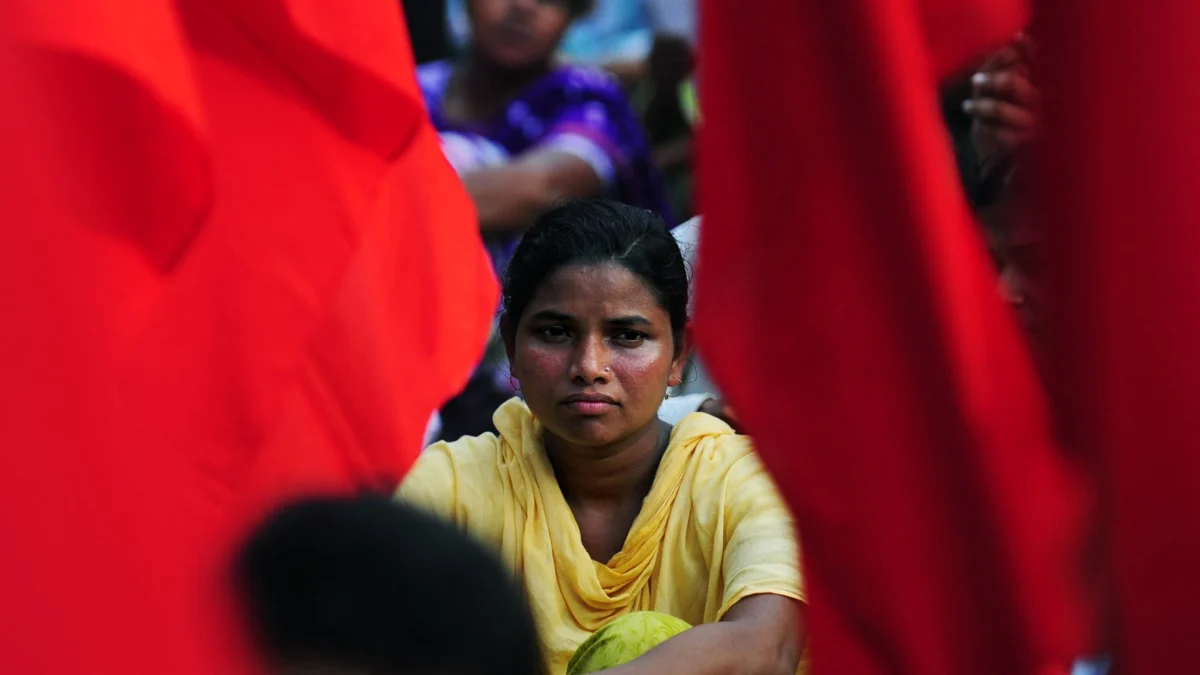
A recent comprehensive report has illuminated a deeply concerning trend within the global fashion industry: brands have largely failed to increase the prices paid to their garment suppliers over the past several decades. This stagnation in supplier remuneration stands in stark contrast to the industry’s persistent pursuit of rapid growth and increasingly competitive pricing. Concurrently, the recent acquisition of Everlane by Shein, a fast-fashion behemoth, serves as a potent symbol of how fashion’s prevailing growth model remains fundamentally at odds with genuine sustainability efforts, particularly concerning the welfare of the workers at the base of the supply chain.
The report, which analyzed pricing structures and supplier payments across numerous major fashion brands and retailers, reveals a systemic issue that has perpetuated for decades. While consumers have benefited from a seemingly endless stream of affordable clothing, the cost of production has, in many instances, been effectively absorbed by the suppliers and their workforces. This has created a situation where the pressure to maintain low wholesale prices forces factories to cut corners, often impacting labor conditions, wages, and the ability to invest in safer, more sustainable manufacturing practices.
Decades of Stagnant Pricing: A Systemic Flaw
The findings suggest that the pricing models employed by many fashion brands have not been updated to reflect rising production costs, inflation, or the need for fair wages and improved working conditions within supplier factories. This has led to a situation where the burden of cost-saving is disproportionately borne by those least able to absorb it. The report’s data indicates that in real terms, adjusted for inflation, the prices paid to garment manufacturers have either remained stagnant or, in some cases, declined over the last 30-40 years. This stands in sharp contrast to the increasing profit margins and market valuations of many fashion corporations.
This persistent pricing pressure forces suppliers into a precarious position. To meet the demands of their brand partners, factories often have to operate on razor-thin margins. This leaves little room for investment in upgrading machinery, improving factory infrastructure for safety, or providing wages that allow workers to live with dignity. Instead, the pressure often trickles down to the workers themselves, who may face excessive working hours, low wages that fail to keep pace with the cost of living, and inadequate benefits.
The Shein-Everlane Acquisition: A Symbol of Unsustainable Growth
The acquisition of Everlane by Shein, first reported in late 2023 and finalized in early 2024, has drawn significant attention as it brings together two distinct, yet in many ways, interconnected players in the fashion landscape. Everlane, which positioned itself as a more ethical and transparent alternative to fast fashion, emphasizing "radical transparency" and higher quality basics, now finds itself under the umbrella of Shein, a company synonymous with ultra-fast fashion, aggressive pricing, and a business model that relies on massive production volumes and rapid trend cycles.
While Shein has made strides in addressing some of its past criticisms, particularly concerning environmental impact and labor practices, its core model remains rooted in speed and affordability. The acquisition raises critical questions about the future of Everlane’s purported ethical commitments. If Shein’s acquisition is driven by a desire to leverage Everlane’s brand recognition and customer base while integrating its operational efficiencies, it could lead to a dilution of Everlane’s original ethos. Conversely, if Shein aims to learn from Everlane’s approach to transparency and product quality, it could signal a potential shift in its own strategy, though this remains to be seen.
Crucially, the acquisition underscores how the industry’s current growth imperative often overrides a holistic approach to sustainability. The drive for ever-increasing sales volumes, fueled by the constant introduction of new products, necessitates a production system that can deliver quickly and cheaply. This inherently clashes with the slower, more deliberate processes required for genuine environmental and social responsibility.
Background and Chronology of the Issue
The pressures on garment suppliers are not a recent phenomenon. The late 20th century saw a significant shift of manufacturing from developed to developing countries, driven by the pursuit of lower labor costs. This led to the rise of global supply chains, where brands could outsource production to factories in countries like Bangladesh, Vietnam, India, and China.
- 1990s: The "race to the bottom" intensified as brands sought the cheapest production locations. This era saw increased scrutiny on labor conditions, with landmark events like the Kathie Lee Gifford clothing scandal in 1996 highlighting the exploitative practices occurring in some factories.
- 2000s: While some brands began to implement codes of conduct and auditing processes, the fundamental pricing structures remained largely unchanged. The focus often remained on compliance rather than proactive improvement of supplier wages and working conditions.
- 2010s: The Rana Plaza factory collapse in Bangladesh in 2013, which killed over 1,100 garment workers, served as a tragic wake-up call. This disaster spurred the creation of initiatives like the Accord on Fire and Building Safety in Bangladesh (now the International Accord) and the Alliance for Bangladesh Worker Safety, aimed at improving factory safety. However, the issue of low wages and fair pricing continued to be a significant challenge.
- 2020s: The COVID-19 pandemic exposed further vulnerabilities in the supply chain, with brands cancelling orders and leaving suppliers with massive financial losses. This period intensified discussions around the need for more resilient and equitable supply chain relationships. The current report’s findings reflect the ongoing persistence of these systemic issues, despite increased awareness and various initiatives.
Supporting Data and Industry Trends
The report’s findings are supported by various independent analyses and data points:
- Wage Stagnation: Studies by organizations like the Clean Clothes Campaign have consistently shown that wages for garment workers in many major production countries have not kept pace with inflation or the living wage required for a decent standard of living. For instance, in Bangladesh, the minimum wage for garment workers, while increased periodically, often falls significantly short of a living wage, which is estimated to be substantially higher than the current legal minimum.
- Profitability of Brands: In stark contrast to supplier remuneration, the profitability of many major fashion brands has seen significant growth. Publicly available financial reports of leading fashion conglomerates consistently show substantial revenues and profits, indicating that the economic burden of maintaining low prices is not shared equitably.
- Cost of Living Increases: The cost of basic necessities such as food, housing, and transportation has risen globally. Garment workers, often earning wages that have not kept pace with these increases, find it increasingly difficult to meet their families’ basic needs.
- Consumer Price Sensitivity: The fashion market is highly price-sensitive, and brands are under immense pressure to offer competitive prices to consumers. This pressure, however, is often passed down the supply chain, creating a cycle of cost reduction that impacts those at the manufacturing end.
Reactions and Perspectives from Related Parties
While direct quotes from specific brands and suppliers involved in the report were not immediately available, the findings align with concerns voiced by various stakeholders over the years:
- Labor Rights Organizations: Groups like the Clean Clothes Campaign, Worker Rights Consortium, and the Centre for Global Workers’ Rights have long advocated for brands to pay fair prices that enable living wages. They have consistently highlighted the disconnect between brand profits and worker compensation. These organizations often issue statements and reports detailing specific instances of underpayment and exploitative practices.
- Factory Owners/Manufacturers: Many factory owners, particularly in developing countries, operate under immense pressure from their brand clients. They often express frustration at the inability of brands to increase purchasing prices, which in turn limits their capacity to invest in better wages, safer facilities, or more sustainable practices. They often find themselves caught between the demands of their international buyers and the economic realities of their local operating environment.
- Industry Initiatives: While some industry initiatives focus on compliance and auditing, there is a growing recognition that these efforts alone are insufficient. The report’s findings are likely to fuel calls for more robust mechanisms for ensuring fair pricing and direct wage increases, moving beyond mere audits to actual financial commitments from brands.
Broader Impact and Implications
The report’s findings have significant implications for the future of the fashion industry and its commitment to sustainability:
- Undermining Sustainability Claims: The continued reliance on a low-price, high-volume model directly contradicts genuine sustainability efforts. If brands are not paying enough to ensure fair wages and safe working conditions, their claims of ethical production and environmental responsibility are severely undermined. The Shein-Everlane acquisition, in this context, raises the stakes, as it could either legitimize a problematic growth model or, potentially, create an opportunity for a more responsible approach if integrated thoughtfully.
- Worker Exploitation and Social Inequality: The persistent failure to increase supplier payments perpetuates a cycle of poverty and exploitation for millions of garment workers worldwide. This contributes to social inequality and hinders economic development in producer countries.
- Risk of Future Scandals: As scrutiny on supply chains intensifies, brands that continue to operate on unsustainable pricing models remain at risk of future labor scandals, reputational damage, and potential legal challenges.
- Need for Systemic Change: The report strongly suggests that incremental changes and superficial audits are insufficient. A fundamental shift in how fashion brands approach pricing, supplier relationships, and profit distribution is necessary. This could involve commitments to living wages, long-term purchasing agreements, and greater transparency in pricing negotiations.
- Consumer Awareness and Demand: Increased consumer awareness of these issues can drive demand for more ethically produced clothing. However, without systemic changes from brands, consumer choices alone may not be enough to rectify the core problem of unfair pricing.
In conclusion, the report’s stark findings about decades of stagnant supplier payments, coupled with the symbolic Shein-Everlane acquisition, highlight a critical juncture for the fashion industry. The industry’s current growth paradigm, heavily reliant on cheap production, is demonstrably unsustainable from both a social and environmental perspective. Moving forward, a genuine commitment to fair pricing, living wages, and equitable partnerships within the supply chain will be paramount for any brand aspiring to be truly sustainable and responsible. The onus is now on brands to move beyond rhetoric and implement concrete financial and operational changes that reflect a commitment to the people who make their clothes.