Ronny Sianturi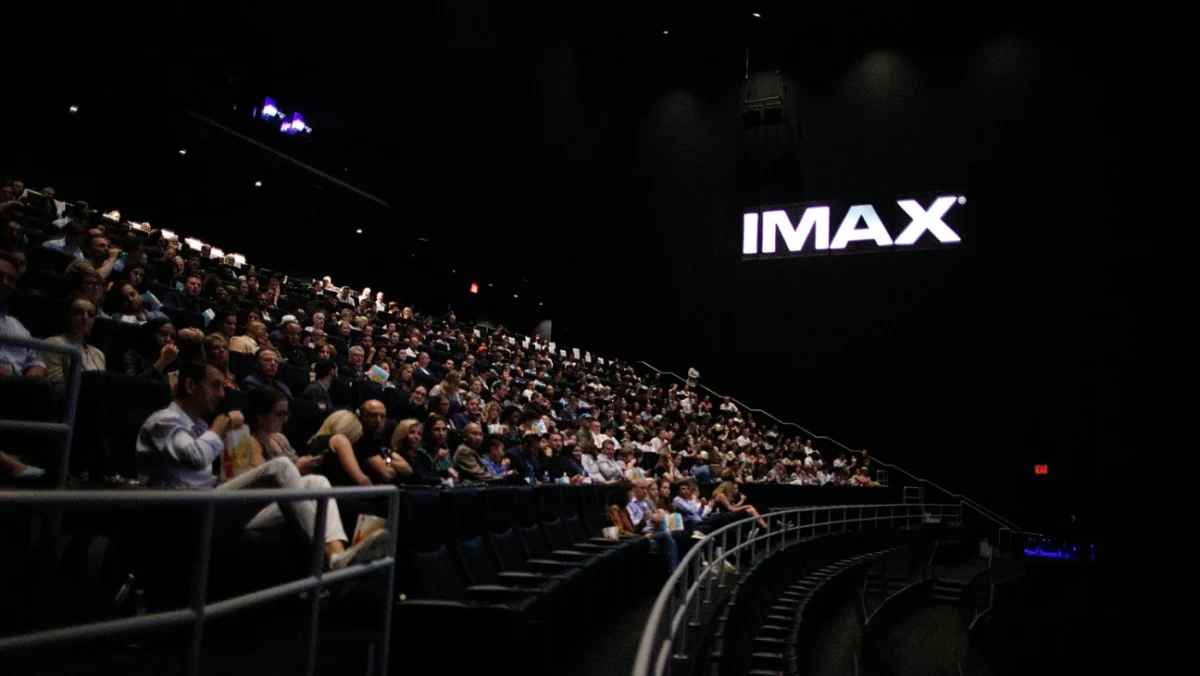
The global leader in immersive cinema experiences, IMAX Corporation, is reportedly engaged in preliminary discussions regarding a potential sale, igniting a flurry of speculation among financial analysts about likely suitors. This development arrives at a pivotal moment for the film exhibition industry, as Hollywood studios increasingly prioritize premium theatrical releases and longer exclusive windows in the post-pandemic landscape. The prospect of IMAX, a brand synonymous with unparalleled visual and auditory fidelity, changing hands has drawn attention from a diverse array of potential buyers, ranging from traditional exhibition chains and private equity firms to technology giants and major entertainment conglomerates.
Industry Dynamics Fueling Sale Exploration
IMAX’s current exploration of a sale follows a pattern of similar considerations throughout its history. The Toronto-based company, under the long-standing leadership of CEO Richard Gelfond since 1994, has on multiple occasions gauged market interest for a potential sale or merger. These past endeavors were ultimately shelved when suitable offers failed to materialize or when the company determined it was best positioned to continue as an independent entity. However, the current industry climate appears to be creating renewed impetus for such a strategic review.
The renewed focus on the theatrical window, coupled with a burgeoning demand for premium cinema experiences, has bolstered IMAX’s appeal. Major Hollywood studios are once again investing heavily in large-scale, event-driven films, a segment where IMAX’s expansive screens and proprietary projection technology offer a distinct advantage. This strategic shift by studios to reinforce the theatrical release model, characterized by extended exclusive periods and a greater emphasis on high-quality exhibition, directly benefits IMAX, which is inherently positioned to capitalize on such trends. The company’s ability to offer a differentiated and premium viewing experience has become a critical component of major film releases, underscoring its strategic value.
Analyst Perspectives: A Diverse Field of Potential Buyers
Financial analysts have been quick to dissect the implications of IMAX’s potential sale, identifying a broad spectrum of interested parties. The consensus suggests that the unique nature of IMAX’s business model—operating more as a premium entertainment technology platform than a conventional movie theater chain—expands the pool of potential acquirers considerably.
David Joyce, a senior analyst at Seaport Research Partners, commented on the situation in a May 22 note, acknowledging IMAX’s strong performance as a standalone large-format cinema company. Should a sale proceed, Joyce suggested that traditional exhibitors like Cinemark or AMC Theatres could emerge as logical buyers. He also expressed a preference for an all-cash transaction, emphasizing that "we truly hope it is going to be an all-cash deal for investors since most potential strategic investors would have conflicts of interest that could hinder the trajectory of the business." This sentiment highlights a key concern: ensuring that a buyer’s existing business interests do not compromise IMAX’s operational neutrality and its ability to serve all studio partners equitably.
Conversely, Alicia Reese, an analyst at Wedbush, presented a different perspective in her investor note on Friday, identifying technology and entertainment giants as more probable candidates. Her list of potential acquirers includes Apple, Sony Corp., and Netflix, alongside private equity firms. Reese argued that these entities could acquire IMAX while maintaining its crucial neutrality among major studios vying for premium screen time. "PE ownership avoids the platform conflict issue entirely, as it would have no competing interest," she stated. "Netflix’s content calendar remains thin enough that purchasing IMAX would not foreclose rival studio access to the format."
Reese further elaborated on the financial feasibility for tech giants, noting that an acquisition of IMAX would represent a "rounding error against Apple’s balance sheet" and could serve as a valuable platform for Apple TV+’s prestige content. The underlying concern across various analyst reports is the potential for a studio buyer to create conflicts of interest, potentially favoring their own tentpole releases and diminishing IMAX’s appeal to competing studios. This could erode the platform’s value and its established neutrality, a cornerstone of its success.
Mike Hickey, an analyst with Benchmark Equity Research, echoed the view that IMAX’s distinct operational model widens the field of potential buyers. "We believe the potential buyer universe is unusually broad because IMAX operates less like a traditional theater chain and more like a premium entertainment technology platform," Hickey wrote. His list of prospective suitors includes major players such as Sony, Apple, Amazon, Disney, and Comcast/NBCUniversal. Additionally, he pointed to Sphere Entertainment, given its focus on immersive entertainment, as a logical candidate. Hickey also highlighted the possibility of sovereign wealth funds from international markets, citing their "increasing appetite for globally recognized premium entertainment infrastructure assets."
Eric Wold, an analyst at Texas Capital Securities, offered a nuanced view in a May 21 investor note, stressing that the success of any takeover deal would hinge on the specific buyer and the subsequent integration process. "We continue to believe that it would be difficult for either a major Hollywood studio or domestic exhibitor to successfully integrate IMAX without potentially adversely impacting either the upcoming film slate or network stability," Wold stated. He suggested that IMAX’s global reach and its expanding portfolio of local language and alternative film programming could attract buyers who would not disrupt the existing Hollywood distribution ecosystem.
Historical Context and Strategic Positioning
IMAX’s journey has been marked by a consistent strategy of innovation in cinema technology, evolving from its early days as a documentary film format to becoming a dominant force in blockbuster exhibition. Founded in 1967, the company pioneered the IMAX film system, characterized by its larger film frame, specialized cameras, and projection systems, delivering an unparalleled viewing experience. Over the decades, IMAX has meticulously built a global network of theaters, forging strong relationships with Hollywood studios and filmmakers.
The company’s business model is multifaceted. It licenses its technology and branding to multiplexes, operates its own premium-large-format (PLF) theaters, and co-produces and distributes documentaries. This diversified approach has allowed IMAX to maintain a strong presence in key global markets, including North America, Europe, and Asia. In recent years, the company has placed a significant emphasis on expanding its footprint in China, a market that has become increasingly vital for global film revenues.
The current strategic review comes at a time when IMAX is experiencing a resurgence in its core business. Following the disruptions of the COVID-19 pandemic, which led to widespread cinema closures and a surge in streaming, the theatrical exhibition sector is undergoing a period of recovery and recalibration. IMAX has been a significant beneficiary of this trend, with its premium format proving particularly attractive for major studio releases seeking to drive audiences back to cinemas. Films like "Top Gun: Maverick," "Avatar: The Way of Water," and "Dune: Part Two" have all demonstrated the power of the IMAX experience to draw massive crowds and generate substantial box office revenue.
Financial Performance and Market Valuation
While specific financial details of any potential transaction remain undisclosed, IMAX’s market performance and financial standing offer clues to its valuation. The company has demonstrated resilience and growth in its recent financial reports. For instance, in the first quarter of 2024, IMAX reported strong revenue figures, driven by robust box office performance and a healthy pipeline of upcoming blockbuster films. The company’s ability to command premium ticket prices, coupled with its efficient operational model, contributes to its attractive financial profile for potential acquirers.
The sustained interest from various investor groups, including private equity, suggests that IMAX is perceived as a valuable asset with significant growth potential. Private equity firms, in particular, often look for companies with strong brand recognition, recurring revenue streams, and opportunities for operational optimization, all of which are characteristic of IMAX.
Broader Implications for the Entertainment Industry
The potential sale of IMAX could have far-reaching implications for the entertainment industry. A shift in ownership could influence the company’s strategic direction, its relationships with studios, and its continued investment in technological innovation.
If a major Hollywood studio were to acquire IMAX, there would be an immediate concern about maintaining the platform’s neutrality. Such a scenario could lead to accusations of preferential treatment for the parent company’s films, potentially alienating other studios and diminishing IMAX’s broad appeal. This could, in turn, affect the availability of diverse content on the IMAX platform.
Conversely, an acquisition by a technology giant like Apple or Amazon could signal a further convergence of the film exhibition and digital streaming sectors. These companies possess significant capital and technological expertise, potentially enabling them to invest heavily in enhancing the IMAX experience and integrating it more closely with their existing streaming services. This could lead to new subscription models, exclusive content offerings, or innovative ways to experience films both in theaters and at home.
The involvement of private equity firms would likely focus on maximizing financial returns through operational efficiencies and strategic growth initiatives. While this could lead to increased profitability, it might also result in a more aggressive approach to cost management or a shift in focus away from certain artistic or experimental content.
The Future of Premium Cinema
Regardless of the eventual outcome, the ongoing discussions surrounding IMAX’s potential sale underscore the evolving landscape of the film exhibition industry. The enduring appeal of the theatrical experience, particularly in its most premium forms, remains a critical factor in the success of major film releases. IMAX’s position as a leader in this segment suggests that its strategic value will continue to be recognized by a wide range of industry players.
For now, the industry watches with keen interest as these early-stage talks progress. The ultimate decision regarding IMAX’s future will undoubtedly be shaped by the complex interplay of financial considerations, strategic objectives, and the ever-changing dynamics of the global entertainment market. As analysts continue to weigh the possibilities, one thing remains clear: IMAX represents a significant and highly coveted asset in the realm of premium cinematic entertainment. The company’s ability to adapt and innovate has cemented its status, and its next chapter, whether as an independent entity or under new ownership, is poised to be closely observed. The outcome could set new precedents for how immersive entertainment is delivered and valued in the years to come.