Nila Kartika Wati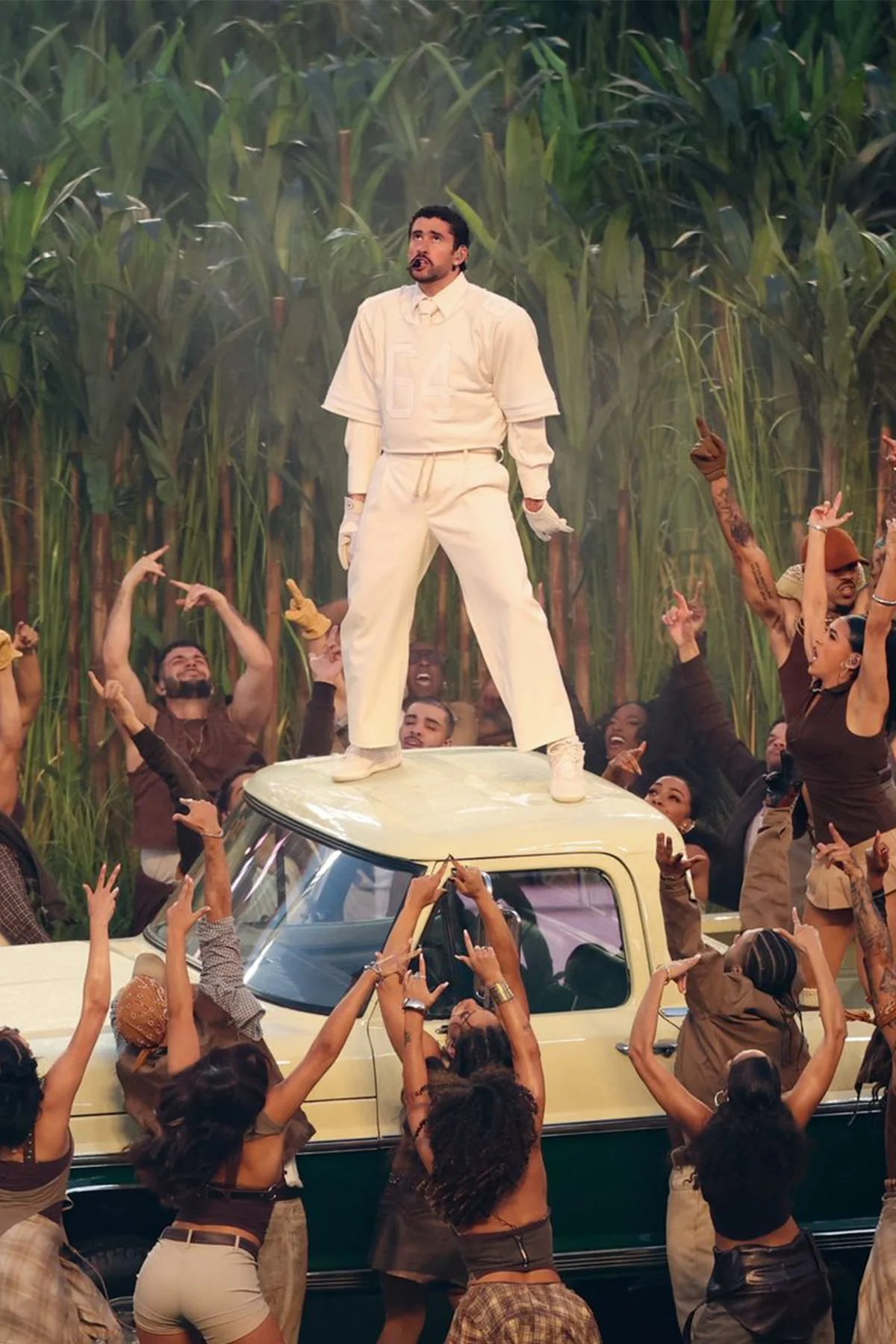
The music and fashion worlds are abuzz with the official announcement of a significant collaboration between global music superstar Bad Bunny and fast-fashion giant Zara. This partnership, poised to deliver a comprehensive 150-piece collection, builds upon a series of highly visible and impactful moments where the Puerto Rican artist has prominently featured Zara’s designs. The forthcoming collection signifies a strategic deepening of the relationship, moving beyond mere product placement to a curated offering designed to capitalize on Bad Bunny’s immense cultural influence and Zara’s global retail reach.
The genesis of this ambitious collaboration can be traced back to several pivotal public appearances by Bad Bunny, where his sartorial choices have not only garnered significant attention but have also demonstrably boosted the visibility and desirability of the Zara brand. These moments have served as powerful, albeit unofficial, endorsements, signaling a potent synergy between the artist’s distinctive style and Zara’s accessible fashion ethos.
A Strategic Ascent: From Super Bowl to Met Gala to Collection
The trajectory of Bad Bunny’s engagement with Zara has been marked by carefully orchestrated public displays of affinity. His performance during the Super Bowl halftime show, a global spectacle watched by hundreds of millions, saw him don pieces from Zara. This high-stakes platform provided an unprecedented level of exposure for the Spanish retailer, instantly placing its garments in front of a diverse and vast international audience. The choice of Zara for such a monumental event underscored a conscious decision to align with a brand that resonates with a broad demographic, mirroring Bad Bunny’s own widespread appeal.
Further cementing this nascent alliance, Bad Bunny continued to feature Zara in another of this year’s most anticipated cultural events: the Met Gala. His presence at the prestigious fashion gathering, known for its avant-garde and high-fashion statements, wearing Zara, was a significant statement in itself. It challenged traditional perceptions of the Met Gala’s exclusive dress code and highlighted Zara’s growing capacity to offer garments that can command such a prominent stage. These appearances were not merely coincidental; they were strategic, laying the groundwork for what is now a formal, large-scale partnership.
The timing of this official announcement is also noteworthy. The fashion industry, like many others, has been navigating evolving consumer expectations, with a growing emphasis on authenticity, inclusivity, and the influence of cultural icons. Bad Bunny, with his unapologetic embrace of his identity and his powerful connection with his fanbase, represents a compelling figurehead for a brand seeking to connect with a modern, globally-minded consumer.
The Collection: Scope, Scale, and Strategic Intent
The forthcoming 150-piece collection is ambitious in its scope, suggesting a comprehensive offering that aims to translate Bad Bunny’s personal style into a commercially viable product line. While specific details regarding the collection’s aesthetic remain under wraps, the sheer volume of pieces indicates an intention to cover a wide range of apparel and potentially accessories. This suggests a strategy that goes beyond a few signature items, aiming to provide a complete wardrobe experience for consumers inspired by the artist.
From a business perspective, this collaboration represents a significant strategic move for Zara. By partnering with a global music phenomenon like Bad Bunny, Zara aims to:
- Enhance Brand Relevance: Leverage Bad Bunny’s cultural capital to attract a younger, more fashion-forward demographic and reinforce its image as a trend-conscious retailer.
- Expand Market Reach: Tap into Bad Bunny’s extensive global fanbase, particularly within Latin America and among younger consumers worldwide, who may be drawn to the collection through their admiration for the artist.
- Drive Sales and Engagement: The allure of owning pieces endorsed and co-created by a beloved artist is a powerful sales driver. This collaboration is expected to generate substantial commercial interest and boost in-store and online traffic.
- Differentiate from Competitors: In a crowded fast-fashion market, such high-profile collaborations serve as a key differentiator, setting Zara apart from rivals and creating a unique selling proposition.
Data-Driven Insights: The Power of Celebrity Endorsement
The impact of celebrity endorsements on consumer purchasing behavior is well-documented. Studies consistently show that a significant percentage of consumers are influenced by the fashion choices of celebrities and musicians. For instance, research from Nielsen has indicated that over 60% of consumers report being influenced by celebrity endorsements in their purchasing decisions.
In the context of social media, Bad Bunny boasts an immense following, with tens of millions of followers across platforms like Instagram and X (formerly Twitter). Each of his posts has the potential to reach a vast audience, generating organic marketing far exceeding traditional advertising budgets. The visibility gained from events like the Super Bowl and the Met Gala translates into immediate and sustained consumer interest. Reports following his Super Bowl performance, for example, showed a surge in searches for Zara items featured or similar to those worn by the artist.
Furthermore, the success of previous artist-led collections in the fashion industry provides a strong precedent. Brands that have partnered with influential musicians have often seen substantial returns, not only in sales but also in brand perception and cultural relevance. This collaboration with Bad Bunny and Zara is poised to follow a similar, if not more impactful, trajectory given the artist’s current global standing.
The Broader Implications for the Fashion Industry
This collaboration between Bad Bunny and Zara carries broader implications for the fashion industry:
- Democratization of Fashion: By partnering with a fast-fashion giant, Bad Bunny is making his style accessible to a wider audience. This aligns with a growing trend towards democratizing fashion, where high-profile styles are reinterpreted at more affordable price points.
- The Rise of "Cultural Collaborations": This partnership exemplifies the increasing importance of "cultural collaborations," where brands tap into cultural touchstones and influential figures to create resonance beyond traditional marketing. This moves beyond simple celebrity endorsements to a more integrated and authentic brand association.
- Influence of Latin American Culture: The collaboration also highlights the growing influence of Latin American culture and artists on the global stage. Bad Bunny, a leading figure in Latin trap and reggaeton, is a prime example of this cultural ascendancy, and his partnership with a major global brand signifies a recognition of this market power.
- Strategic Importance of Music-Fashion Synergy: The fashion industry has long had a relationship with music, but the current landscape sees an even deeper integration. Artists are increasingly becoming style arbiters, and brands are recognizing the power of aligning with musical talent to drive both cultural relevance and commercial success.
While details about the collection’s specific launch date, pricing, and retail availability are yet to be announced, the anticipation is palpable. This partnership between Bad Bunny and Zara is more than just a fashion collection; it represents a significant cultural moment, a strategic alignment of influential forces, and a testament to the evolving landscape of celebrity, fashion, and global commerce. The success of this 150-piece offering will likely set new benchmarks for future collaborations between artists and fashion retailers.