Danny Garick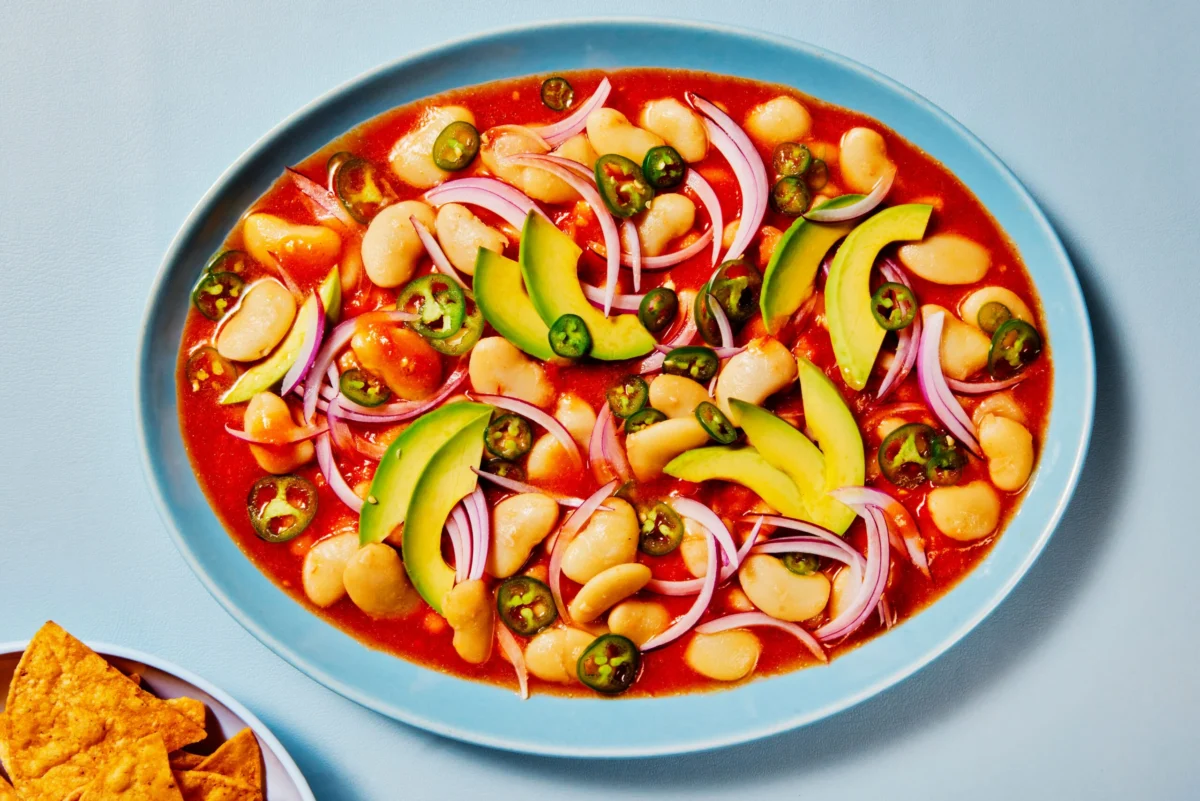
As global temperatures continue to reach record highs during the summer months, the culinary landscape is undergoing a significant transformation, shifting away from energy-intensive cooking methods toward refreshing, heat-free alternatives. Among the most notable developments in this trend is the rise of plant-based ceviche, a dish that traditionally relies on high-quality raw seafood but is increasingly being reimagined using legumes. Specifically, the use of butter beans—also known as lima beans—has emerged as a primary substitute for shrimp and white fish, offering a "meaty" texture and a cost-effective entry point into gourmet home cooking. This transition reflects broader shifts in consumer behavior, driven by economic pressures, environmental concerns, and a growing preference for shelf-stable, nutrient-dense ingredients.
The Architectural Shift: From Seafood to Legumes
The fundamental premise of ceviche lies in the process of denaturation, where the citric acid from lime or lemon juice "cooks" the proteins in raw fish. In the vegetarian adaptation, the focus shifts from chemical transformation to flavor infusion. Culinary experts and food scientists note that the porous nature of legumes, particularly large varieties like Gigante, Corona, or white lima beans, makes them ideal candidates for marination. Unlike delicate fish, which can become over-cooked and rubbery if left in citrus for too long, beans maintain their structural integrity while absorbing the complex profiles of the surrounding liquid.
The use of canned butter beans represents a move toward accessibility. While high-end seafood like red snapper or scallops can cost upwards of $25 to $30 per pound in urban markets, a standard 15-ounce can of white beans typically retails for under $2. This price disparity is a significant factor in the democratization of the "ceviche experience," allowing households across various socioeconomic brackets to enjoy a dish that was once reserved for coastal regions or high-end bistros.
Historical Context and Regional Influences
To understand the current innovation of bean-based ceviche, one must examine the regional variations that inform its preparation. While the Peruvian style of ceviche is perhaps the most globally recognized—characterized by fresh fish, lime, and "leche de tigre" (tiger’s milk)—the plant-based versions often draw inspiration from the coastal traditions of Ecuador and Mexico.
In Ecuador, ceviche is frequently served as a cold soup, featuring a more generous amount of liquid often enriched with tomato or mustard. Mexican variations, particularly those found in the Nayarit or Sinaloa regions, often incorporate tomato juice or hot sauces, creating a vibrant, tangy base. The modern butter bean ceviche utilizes these "soup-like" broth techniques, employing blended ripe tomatoes—such as heirloom, Campari, or Kumato—to create a rich, umami-forward medium for the beans.
A Chronology of Ceviche Evolution
- Pre-Columbian Era: Indigenous populations in coastal South America consume raw fish marinated in fermented juices from local fruits like tumbo.
- 16th Century: Spanish colonizers introduce citrus fruits (lemons and limes) and onions to the Americas, leading to the "classic" ceviche preparation known today.
- 20th Century: Ceviche gains international popularity, moving from a humble fisherman’s lunch to a staple of fine dining in global culinary hubs.
- 2010–2020: The rise of plant-based dieting and the "Veganuary" movement prompts chefs to experiment with hearts of palm, mushrooms, and cauliflower as fish substitutes.
- 2023–Present: Amidst rising seafood costs and climate-related food insecurity, the focus shifts toward "pantry-staple gourmet," elevating common ingredients like the butter bean to center-stage status.
Economic and Environmental Drivers
The pivot toward legume-based alternatives is not merely a matter of taste; it is increasingly a response to the volatile global seafood market. According to data from the Food and Agriculture Organization (FAO), global fish prices have seen significant fluctuations due to overfishing, supply chain disruptions, and the impacts of climate change on marine ecosystems. In contrast, the global pulse market (which includes beans, lentils, and chickpeas) has remained relatively stable.
Furthermore, the environmental footprint of bean production is substantially lower than that of commercial fishing or shrimp farming. Legumes are nitrogen-fixing crops, meaning they improve soil health while requiring significantly less water and energy to produce compared to animal proteins. For the environmentally conscious consumer, a butter bean ceviche represents a "low-impact" meal that aligns with sustainability goals without sacrificing the aesthetic or sensory appeal of traditional cuisine.
Supporting Data: Nutritional and Market Trends
Market research indicates a steady increase in the consumption of canned and dried legumes. A 2023 report on plant-based protein trends suggests that 40% of consumers are actively trying to incorporate more legumes into their diet to replace meat or fish at least twice a week.
From a nutritional standpoint, the butter bean offers a compelling profile:
- Protein Content: Approximately 7–9 grams of protein per half-cup serving.
- Fiber: High in dietary fiber, which aids digestion and promotes satiety.
- Micronutrients: Rich in potassium, magnesium, and iron.
- Caloric Density: Lower in calories than many oily fish, while providing a similar sense of fullness due to the fiber content.
Culinary analysts point out that the inclusion of healthy fats—such as those found in the avocado frequently used as a topping—creates a balanced macronutrient profile that makes the dish a viable main course rather than just a side salad.
Expert Analysis of Culinary Technique
Professional chefs emphasize that the success of a bean-based ceviche depends on the quality of the "marinating liquid." In the absence of fish oils, the depth of flavor must come from the produce. The recommendation to use heirloom tomatoes when in season, or Kumato and Campari varieties during the off-season, is based on the sugar-to-acid ratio of these fruits.
"The goal is to create a liquid that is both sharp and sweet," notes a leading culinary instructor. "By blending the tomato and combining it with lime juice and high-quality hot sauce, you create a complex environment where the beans can undergo a pseudo-curing process. The longer the beans sit, the more the starch in the bean interacts with the acid, creating a creamy mouthfeel that mimics the texture of high-quality seafood."
Official Responses and Industry Outlook
While traditionalists may argue that "ceviche" must by definition include fish, industry bodies such as the Plant Based Foods Association (PBFA) argue that the term is evolving to describe a method and a flavor profile rather than a specific set of ingredients.
"We are seeing a linguistic shift in the culinary world," says a spokesperson for a major food trend consultancy. "Just as we have ‘burgers’ made of plants, ‘ceviche’ is becoming a shorthand for a specific experience: cold, citrus-forward, acidic, and fresh. Using beans is a logical step in making this experience accessible to those with dietary restrictions, allergies, or budget constraints."
Supermarket chains have also responded to this trend by expanding their "premium" canned bean sections. Brands that specialize in heirloom bean varieties have reported a surge in sales, as home cooks look for "gigante" or "corona" beans to replicate the "meaty" experience described in modern recipes.
Broader Impact and Implications for Home Cooking
The rise of butter bean ceviche is emblematic of a broader "no-cook" movement that gains momentum every summer. As urban heat islands make the use of stoves and ovens increasingly uncomfortable, the demand for sophisticated, cold-prep meals is at an all-time high.
This trend also highlights a shift in the perception of canned goods. Once viewed as "emergency food" or low-quality ingredients, canned legumes are being rebranded as a versatile canvas for high-level culinary expression. The ability to transform a pantry staple into a dish that features the vibrant colors of sliced jalapeños, red onions, and ripe avocados suggests that the future of home cooking may lie in the creative reassembly of accessible ingredients rather than the pursuit of rare and expensive proteins.
In conclusion, the butter bean ceviche is more than a seasonal recipe; it is a manifestation of the intersection between economic necessity, environmental stewardship, and culinary innovation. As the world adapts to a changing climate and shifting food systems, the humble bean is proving to be an indispensable tool in the modern kitchen, offering a cooling, nutritious, and sophisticated respite from the heat of the summer.