Kang Muslim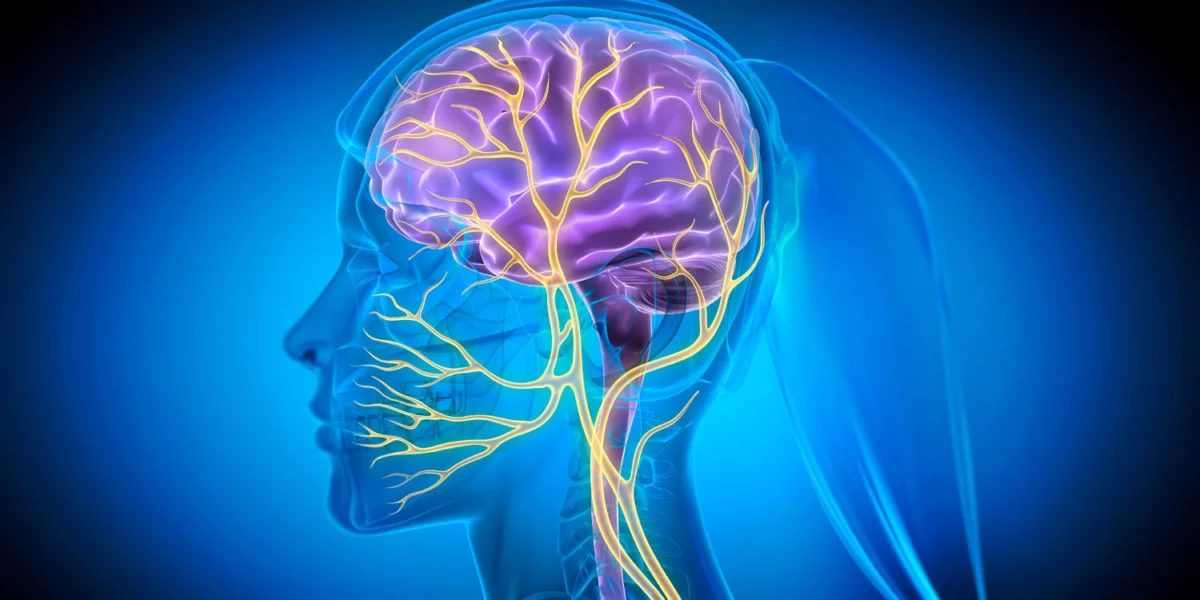
While Alzheimer’s disease is frequently categorized as a late-life affliction, contemporary neurological research indicates that the foundational shifts in the brain begin decades before the onset of clinical symptoms. Emerging evidence suggests that the pathological changes characterizing the disease often commence as early as a person’s 30s. At the heart of this early-stage progression is the locus coeruleus, a small but vital nucleus located deep within the brainstem. This region is now being identified by researchers as a critical "canary in the coal mine" for cognitive decline, serving as the primary site where toxic protein aggregates first appear.
In light of these findings, a growing body of scientific inquiry is investigating whether vagus nerve stimulation (VNS)—a therapeutic technique already utilized for epilepsy and depression—could serve as a preventative or corrective measure against the neurodegeneration associated with Alzheimer’s. By targeting the locus coeruleus via the vagus nerve, scientists believe they may be able to preserve brain health, stabilize memory function, and potentially interrupt the trajectory of dementia before it reaches a debilitating stage.
The Biological Foundation: The Locus Coeruleus and Tau Pathology
The locus coeruleus, or "blue spot," derives its name from the pigment neuromelanin produced by its cells. Despite its diminutive size, it exerts a disproportionate influence over human biology. It is the brain’s primary source of norepinephrine, a neurotransmitter and hormone essential for regulating sleep-wake cycles, maintaining attention, sharpening focus, and facilitating learning. Furthermore, the locus coeruleus plays a significant role in modulating immune responses within the central nervous system.
Pathologically, Alzheimer’s disease is defined by the accumulation of two proteins: amyloid-beta and tau. While amyloid-beta forms plaques between neurons, tau forms "tangles" inside them, disrupting cellular transport and eventually leading to cell death. Crucially, the locus coeruleus is the first area where these tau tangles are typically detected. Research indicates that nearly every individual develops some degree of tau buildup in this region as they age. However, in those destined for Alzheimer’s, the tau spreads from this "blue spot" to the rest of the brain, particularly the regions responsible for memory and executive function.
Damage to the locus coeruleus in middle age has been found to correlate strongly with subsequent declines in memory. Because this region provides the neurochemical infrastructure for alertness and cognitive processing, its degradation represents the earliest domino to fall in the sequence of neurodegenerative decline.
A Chronology of Vagus Nerve Stimulation
The concept of stimulating the vagus nerve—the longest of the cranial nerves, which acts as a bidirectional communication superhighway between the brain and the body’s internal organs—has evolved significantly over the last century.
- 1880s: Early neurologists theorized that manual massage of the carotid artery and the adjacent vagus nerve could suppress seizures.
- 1980s-1990s: Controlled studies demonstrated that electrical stimulation of the vagus nerve could significantly reduce the frequency of seizures in patients with treatment-resistant epilepsy.
- 1997: The U.S. Food and Drug Administration (FDA) officially approved the first implanted VNS device for the treatment of epilepsy.
- 2005: Following observations that epilepsy patients receiving VNS reported improved mood, the FDA expanded its approval to include treatment-resistant depression.
- 2017-2021: The medical community saw the introduction of non-invasive VNS devices for the treatment of migraines and cluster headaches, as well as the approval of VNS as a tool for stroke rehabilitation to enhance neuroplasticity.
Throughout this timeline, researchers noted a recurring side effect: patients undergoing VNS often exhibited improved cognitive clarity and memory retention. This sparked the hypothesis that the vagus nerve’s connection to the locus coeruleus could be leveraged to treat Alzheimer’s disease.
The Mechanism of Action: Regulating the Brain’s Pace
The vagus nerve is a primary component of the parasympathetic nervous system, responsible for the "rest and digest" state. It sends signals to the brain that promote cellular repair and digestive efficiency. Within the brain, the vagus nerve connects directly to the locus coeruleus.
Neuroscientists currently posit that VNS works by regulating the firing rates of neurons within the locus coeruleus. This regulation is vital because the "blue spot" must maintain a precise level of activity for optimal brain function.
- Hyperactivity: Excessive firing in the locus coeruleus can lead to hyper-alertness, chronic stress, and symptoms associated with post-traumatic stress disorder (PTSD).
- Hypoactivity: Insufficient firing results in depression, lethargy, and memory impairment.
By delivering controlled electrical pulses, VNS acts as a biological "pacemaker" for the locus coeruleus. In animal models, specifically rats, VNS has been shown to increase norepinephrine levels across the brain. For Alzheimer’s patients—who typically suffer from a profound deficit of norepinephrine—this boost could potentially compensate for damaged neurons and maintain cognitive stability.
Clinical Data and Recent Trial Results
The shift from theoretical research to clinical application has produced encouraging, albeit preliminary, data. Several small-scale studies have focused on the efficacy of VNS in populations with Mild Cognitive Impairment (MCI), a transitional stage between normal aging and dementia.
In a notable trial involving 52 participants between the ages of 55 and 75, researchers administered one hour of VNS daily for five days a week. After six months, the participants showed statistically significant improvements in memory and global cognition compared to control groups. These findings suggest that VNS does not merely slow the decline but may actually enhance the brain’s existing processing capabilities.
Research has also extended to younger cohorts to understand the immediate effects of VNS. Studies involving healthy adults aged 18 to 25, as well as those around age 60, found that even a single session of vagus nerve stimulation could improve performance on memory-related tasks. This indicates that the vagal-locus coeruleus pathway is highly responsive to external modulation across the human lifespan.
Professional Reactions and Scientific Consensus
The neuroscientific community has reacted to these developments with cautious optimism. While the "amyloid hypothesis"—which focuses on clearing plaques from the brain—has dominated Alzheimer’s research for decades, the high failure rate of amyloid-targeting drugs has led many experts to seek alternative pathways.
Leading neurologists suggest that the "tau-first" approach, targeting the locus coeruleus, offers a more proactive strategy. By the time amyloid plaques are visible on a PET scan, significant neuronal damage has already occurred. In contrast, VNS targets the physiological health of the brainstem, potentially offering a way to fortify the brain against the spread of tau.
However, some medical professionals emphasize that VNS is not a "cure-all." The diversity of Alzheimer’s pathology means that a multi-modal approach—combining bioelectronic medicine like VNS with lifestyle changes and perhaps pharmacological interventions—will likely be necessary. There is also a call for larger, double-blind, sham-controlled clinical trials to definitively prove the long-term efficacy of VNS in preventing the progression of dementia.
Broader Implications and Bioelectronic Medicine
The implications of successful VNS integration into Alzheimer’s care are profound. From an economic perspective, the global cost of dementia care is projected to reach trillions of dollars by 2050. A non-pharmacological intervention that could be administered non-invasively—perhaps via a wearable device on the ear or neck—would represent a cost-effective and scalable solution for aging populations.
Furthermore, the rise of VNS signals a broader shift toward "bioelectronic medicine." This field treats chronic conditions by modulating the body’s electrical signaling rather than relying solely on chemical drugs. Because VNS can be targeted, it often avoids the systemic side effects associated with many Alzheimer’s medications, which can include nausea, dizziness, and swelling of the brain.
Future Outlook: A Shift Toward Prevention
As the understanding of the locus coeruleus deepens, the focus of Alzheimer’s research is shifting from "end-stage" treatment to "early-stage" prevention. If VNS can indeed maintain the health of the locus coeruleus, it may be possible to screen individuals in their 40s or 50s for early tau buildup and begin "brain pacing" as a prophylactic measure.
While the scientific community awaits the results of larger-scale trials, the current evidence reinforces a critical lesson in neurology: the health of the brainstem is inextricably linked to the health of the mind. By protecting the "blue spot" through the vagus nerve, researchers are opening a new frontier in the fight against one of the most challenging diseases of the modern era. The prospect of a drug-free, electrical intervention to preserve human memory is no longer a matter of science fiction, but a tangible goal of 21st-century medicine.