Jono Maryono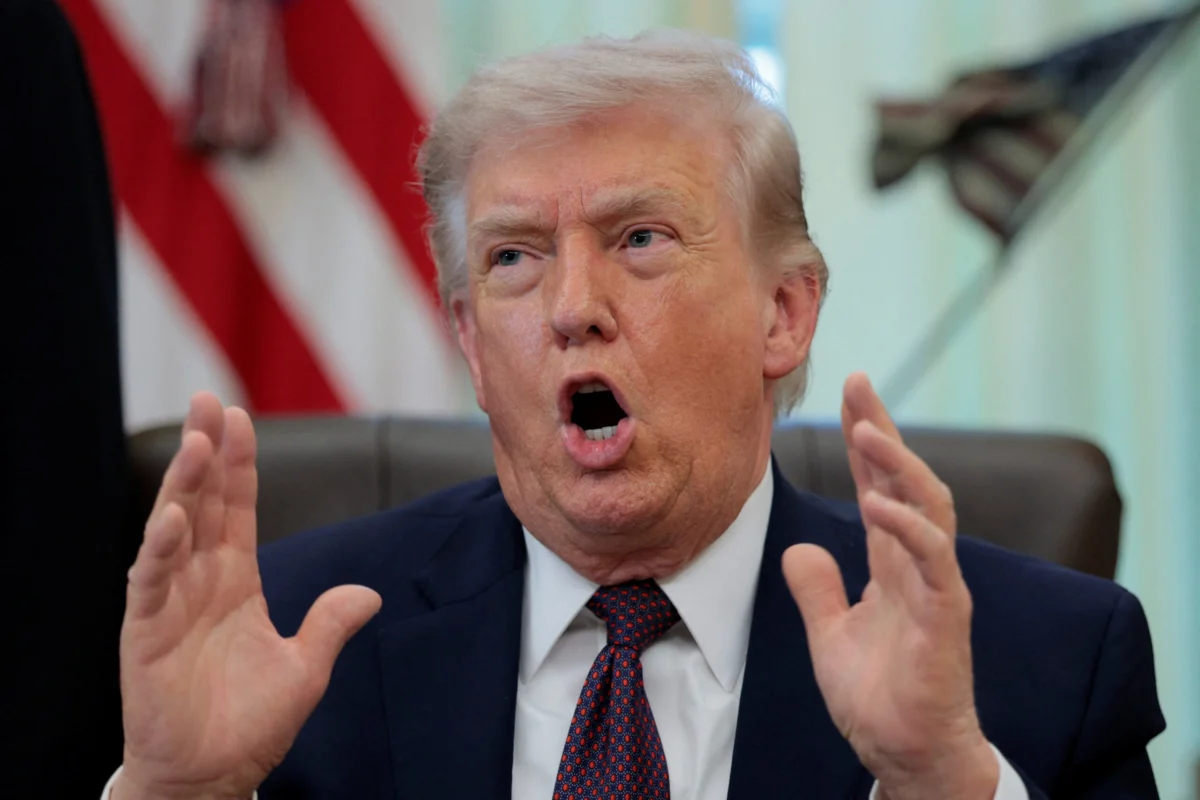
President Donald Trump has indicated that the United States could conclude its military operations in Iran within a two-to-three-week timeframe, suggesting that a formal peace agreement is not a prerequisite for ending a conflict that has significantly disrupted global energy markets and unsettled the international economy. These remarks come as Iran’s Foreign Minister, Abbas Araghchi, explicitly stated to Al Jazeera that no negotiations are currently underway with Washington, despite near-five weeks of direct and indirect communication channels having been established following the commencement of U.S. and Israeli attacks on Iran.
Trump, who had previously asserted that Iran was actively pursuing negotiations and "begging" for a deal, appeared to pivot his public stance, announcing on Tuesday that the U.S. would be "leaving very soon." Addressing reporters at the White House, when questioned about the necessity of successful diplomacy for winding down the conflict, the President stated, "Iran doesn’t have to make a deal, no." He further elaborated on the potential withdrawal timeline, estimating it could be "maybe two weeks, maybe three." Trump’s stated objective for the eventual withdrawal was contingent on Iran being "put into the Stone Ages" and demonstrably unable to develop nuclear weapons, a claim that Iran has consistently refuted, maintaining that its nuclear program is solely for peaceful purposes.
A Shifting Narrative and Lingering Doubts
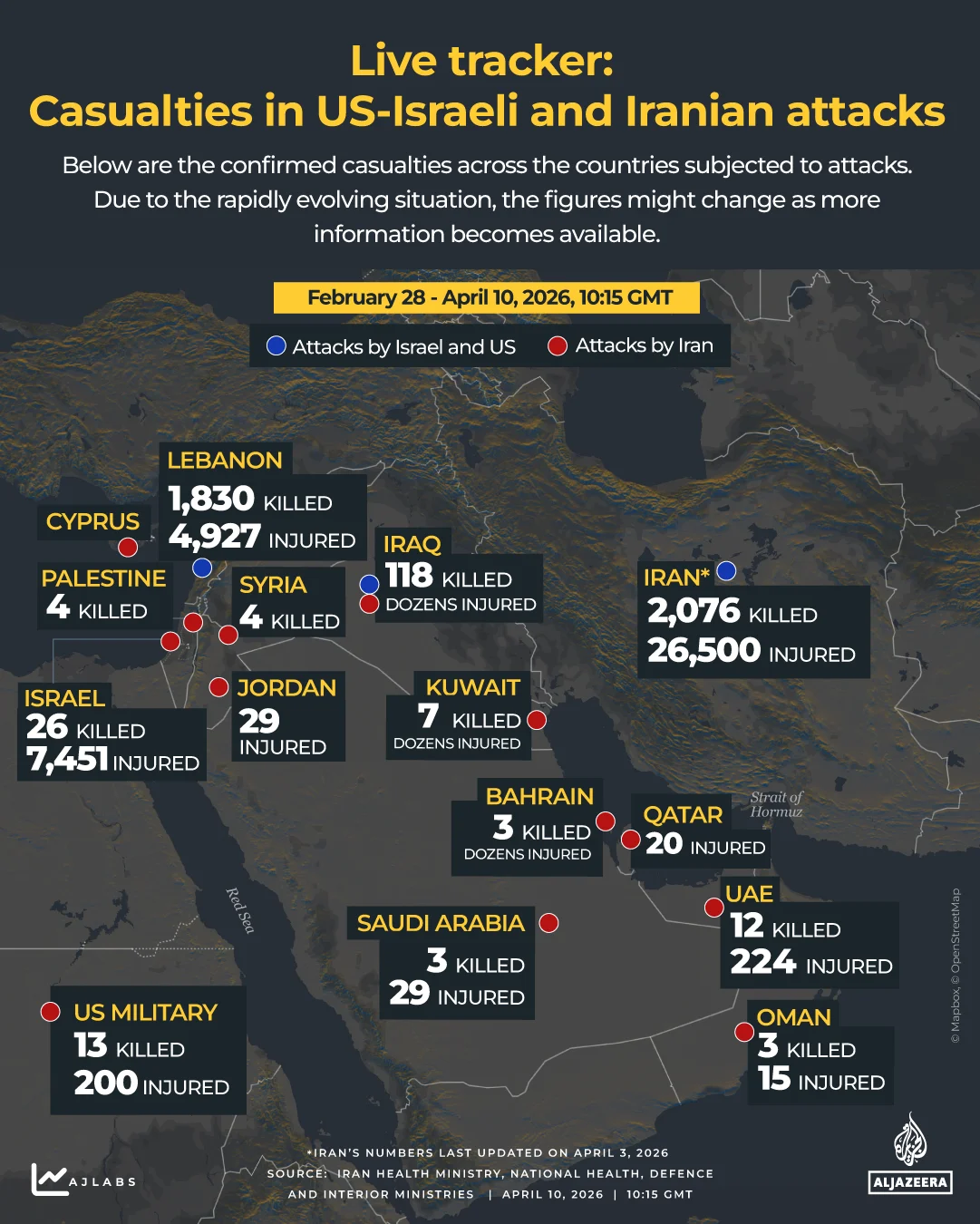
The President’s latest pronouncements have been met with skepticism from foreign policy experts. Trita Parsi, an Iran specialist at the Quincy Institute, advised caution in interpreting Trump’s statements. Parsi highlighted the inherent complexities of disengaging from a conflict that has escalated across the region, resulting in significant casualties, predominantly in Iran and Lebanon, where Israeli forces have engaged in ground invasions alongside aerial bombardments. The human cost, including numerous civilian fatalities, underscores the gravity of the situation.
"Remember, at first they said that this war would be over in four days," Parsi remarked, referencing earlier U.S. government projections. "Then, three weeks ago, they said it would take three weeks. Three weeks have passed, and now we hear that it’s two to three weeks. The timeline just keeps on being extended because, at the end of the day, the United States is no longer in control of this war." Parsi characterized the ongoing conflict as a "debacle" and suggested that a swift resolution through genuine negotiations would be a more prudent course of action than relying on coercive measures that have thus far proven ineffective. He predicted that if the current approach persists, "three weeks from now, we’re likely going to hear that it’s going to take another three weeks."
Economic Fallout and Diplomatic Friction
President Trump’s comments emerged against a backdrop of escalating economic pressures directly linked to the conflict. Domestic gasoline prices in the United States have surpassed an average of $4 per gallon, a consequence of Iran’s targeted attacks on oil facilities in the Persian Gulf and its continued efforts to disrupt fuel supplies transiting the Strait of Hormuz. This vital maritime passage, through which approximately one-fifth of the world’s oil and liquefied natural gas is transported, has become a critical chokepoint in the ongoing hostilities.
As the conflict intensifies, President Trump has become increasingly vocal in his criticism of allied nations that have declined to provide military assistance aimed at ensuring freedom of navigation through the Strait of Hormuz. In a post on his social media platform, Truth Social, the U.S. President singled out countries, including the United Kingdom, for their perceived reluctance to participate in what he termed the "decapitation of Iran." He asserted that these nations would need to learn to secure their own energy resources, stating, "You’ll have to start learning how to fight for yourself, the U.S.A. won’t be there to help you anymore, just like you weren’t there for us. Iran has been, essentially, decimated. The hard part is done. Go get your own oil!"
Echoing this sentiment, U.S. Defense Secretary Pete Hegseth also commented on the United Kingdom’s hesitancy, questioning the role of the Royal Navy in the current maritime security efforts. In response, UK Defence Secretary John Healey, while on a visit to Qatar, reaffirmed his country’s commitment as a key ally to the United States.
President Trump also directed criticism towards France, deeming its stance "VERY UNHELPFUL," particularly regarding its refusal to permit military supply flights to Israel to traverse French airspace. The office of French President Emmanuel Macron responded by reiterating that France’s position, which includes not authorizing the use of French bases for attacks on Iran, had been clear from the outset of the conflict. A statement from the Élysée Palace expressed surprise at Trump’s tweet and confirmed that France’s decision had remained consistent since the beginning of the hostilities.
Trita Parsi suggested that Trump’s efforts to project an image of success by downplaying the objective of reopening the Strait of Hormuz are undermined by his evident frustration with European allies’ unwillingness to support his objectives. Parsi questioned the practical impact of European involvement, given the U.S. Navy’s preeminence, and predicted that Iran would likely maintain its control over the Strait and continue to target it. He further interpreted Trump’s aspiration to return Iran to the "Stone Age" as an adoption of an "Israelisation of America’s war aims." This strategy, Parsi explained, mirrors Israel’s approach of weakening neighboring countries through periodic military actions, a tactic he likened to a "mowing the lawn" strategy.
Historical Context and Escalation
The current conflict marks a significant escalation in tensions between the United States and Iran, building upon years of strained relations. Following the U.S. withdrawal from the Joint Comprehensive Plan of Action (JCPOA) in 2018, a multilateral agreement intended to curb Iran’s nuclear program in exchange for sanctions relief, Washington reimposed stringent sanctions on Tehran. This policy, coupled with a series of incidents in the Persian Gulf, including alleged attacks on oil tankers and the downing of a U.S. drone, had already heightened regional instability.
The recent U.S. and Israeli military actions, initiated approximately five weeks prior to President Trump’s latest statements, represent a substantial departure from previous U.S. policy, which largely focused on deterrence and sanctions. The stated objectives of these new military operations, according to U.S. officials, have included degrading Iran’s military capabilities and preventing its alleged pursuit of nuclear weapons. However, Iran has consistently denied any intention to develop nuclear weapons, asserting that its nuclear program is for peaceful energy generation.
The involvement of Israel in the conflict adds another layer of complexity, given the long-standing animosity between Israel and Iran. Israeli Prime Minister Benjamin Netanyahu, who faces international scrutiny over allegations of war crimes in Gaza, recently commented that the war on Iran was "definitely beyond the halfway point in terms of missions, not necessarily in terms of time," while also cautioning against setting a definitive schedule. His remarks suggest a potential alignment of strategic interests between the U.S. and Israel in confronting Iran.
Broader Implications and Future Outlook
The ongoing conflict’s impact extends far beyond the immediate geopolitical theater. The disruption to global energy supplies has contributed to inflationary pressures worldwide, affecting consumers and businesses alike. The heightened risk of broader regional escalation also poses a significant threat to international security and economic stability.
The diverging narratives from Washington and Tehran, coupled with the expressed frustrations of key allies, underscore the challenges in navigating this complex crisis. The possibility of a U.S. withdrawal within a short timeframe, as suggested by President Trump, remains contingent on a multitude of factors, including the evolving military situation on the ground, domestic political considerations, and the broader geopolitical landscape.
As the situation continues to unfold, international observers will be closely monitoring diplomatic efforts, military developments, and the economic repercussions of this escalating conflict. The coming weeks will likely prove critical in determining the trajectory of U.S.-Iran relations and the broader stability of the Middle East. The calls for de-escalation and a return to diplomatic channels, emphasized by figures like Trita Parsi, will likely gain further traction if the conflict proves more protracted or costly than initially anticipated.