Nila Kartika Wati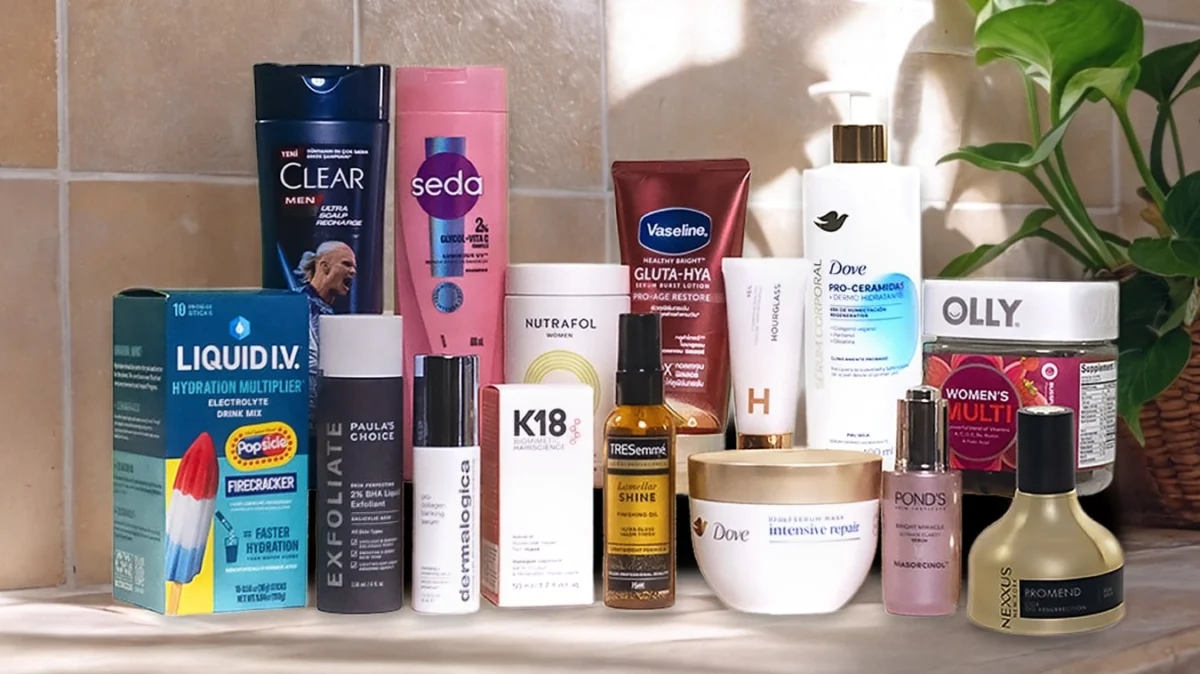
In a significant strategic realignment, consumer goods giant Unilever is divesting its substantial food and ice cream divisions, signaling an ambitious and focused pivot towards its beauty and wellbeing portfolio. This monumental shift, aimed at unlocking greater shareholder value and accelerating growth, positions Unilever to compete more directly with established beauty powerhouses like L’Oréal and The Estée Lauder Companies. However, the path to matching their scale, valuation, and category depth in the intensely competitive beauty landscape demands unwavering strategic discipline and a sharper focus on its core strengths.
The decision to shed its heritage food brands, a move that has been brewing for some time amidst increasing investor pressure for portfolio optimization, represents a fundamental reshaping of Unilever’s identity. For decades, the company has been a diversified conglomerate, its vast empire spanning everything from Dove soap and Ben & Jerry’s ice cream to Knorr soups and Lipton tea. While this diversification offered a degree of resilience, it also led to a complex corporate structure and, some analysts argue, diluted its focus and hindered its ability to fully capitalize on high-growth sectors.
A History of Diversification and the Seeds of Change
Unilever’s journey began in 1929 with the merger of the British soap maker Lever Brothers and the Dutch margarine producer Margarine Unie. This union created a global powerhouse with a broad consumer goods offering. Over the ensuing decades, the company expanded aggressively through both organic growth and a series of high-profile acquisitions, solidifying its presence across multiple categories, including home care, personal care, food, and beverages.
However, the late 20th and early 21st centuries saw a growing trend among large conglomerates to streamline their operations and divest non-core assets. Investors increasingly favored companies with a clear strategic focus, arguing that such specialization allowed for better capital allocation, more agile decision-making, and ultimately, higher valuations. Unilever, with its sprawling portfolio, found itself under increasing scrutiny.
By the early 2020s, activist investors began to exert significant pressure, advocating for a more radical restructuring. The company’s food division, while generating substantial revenue, was often characterized by lower growth and profit margins compared to its more dynamic beauty and personal care segments. This disparity fueled the debate about whether Unilever should remain a sprawling consumer goods behemoth or sharpen its focus on areas with higher potential for innovation and premiumization.
The Unveiling of a New Unilever: Beauty at the Forefront
The formal announcement of the divestment of the food and ice cream businesses marks the culmination of this strategic re-evaluation. While the specific financial terms and timelines are still being finalized, the intention is clear: to create a more agile and focused company with beauty and wellbeing at its very core. This includes its already robust personal care division, powered by iconic brands like Dove, Sure, and Axe, as well as its rapidly expanding premium beauty and wellness segment, which boasts sought-after names such as K18, Paula’s Choice, and Liquid I.V.
This strategic pivot is not merely about shedding assets; it’s about a deliberate investment in the future. Unilever is clearly betting on the enduring strength and growth potential of the beauty industry. The global beauty market, projected to reach hundreds of billions of dollars in the coming years, is driven by increasing consumer demand for personalized, science-backed, and ethically produced products. Premiumization, a key trend, allows for higher margins and brand loyalty, areas where Unilever aims to significantly enhance its standing.
The Competitive Arena: Challenging the Titans
Unilever’s ambition to ascend to the ranks of beauty industry titans like L’Oréal and The Estée Lauder Companies is a formidable undertaking. L’Oréal, the world’s largest cosmetics company, boasts a diversified portfolio spanning mass-market brands to high-end luxury, with a deep understanding of global consumer preferences and a formidable research and development engine. The Estée Lauder Companies, similarly, commands a strong presence in prestige beauty with brands renowned for their efficacy and aspirational appeal.
To compete effectively, Unilever must address several critical areas:
- Brand Portfolio Depth and Breadth: While Unilever has strong personal care brands, its premium beauty portfolio, though growing, is still less extensive and deeply entrenched than those of its rivals. Acquiring or developing more brands in niche and high-growth segments, such as advanced skincare, clean beauty, and men’s grooming, will be crucial.
- Innovation and R&D: The beauty industry thrives on innovation. Unilever will need to significantly bolster its research and development capabilities to consistently bring cutting-edge products to market. This includes investing in new technologies, understanding emerging ingredient trends, and leveraging scientific advancements in areas like biotechnology and personalized formulations.
- Brand Equity and Prestige Positioning: Building and maintaining the perception of luxury and prestige is paramount in the beauty sector. Unilever’s challenge will be to elevate the perception of its acquired premium brands and potentially re-position some of its existing ones to command higher price points and stronger brand loyalty. This requires sophisticated marketing, strategic partnerships, and a keen understanding of luxury consumer psychology.
- Global Reach and Distribution: While Unilever is a global giant, its distribution networks and market penetration in the premium beauty segment may not yet rival those of its competitors. Expanding its footprint in key markets, optimizing e-commerce strategies, and securing prime retail placement will be essential.
Financial Implications and Investor Reactions
The financial implications of this strategic shift are significant. The divestment of the food and ice cream businesses is expected to unlock substantial capital, which Unilever can then redeploy into its beauty and wellbeing operations through organic investment, strategic acquisitions, and share buybacks. Analysts anticipate that the focus on higher-margin beauty products will lead to improved profitability and a re-rating of Unilever’s stock, bringing its valuation closer to that of its beauty-focused peers.
Initial investor reactions have been largely positive, with many seeing the move as a necessary step towards a more focused and agile company. However, the long-term success will hinge on Unilever’s ability to execute its beauty strategy effectively. The market will be watching closely to see how swiftly and decisively the company can integrate new acquisitions, foster organic growth within its existing beauty brands, and demonstrate a clear path to increasing market share and profitability in this competitive sector.
The Road Ahead: Challenges and Opportunities
The transformation of Unilever into a beauty-centric powerhouse is not without its challenges. The beauty market is highly dynamic, with rapidly evolving consumer trends, intense competition, and the constant threat of disruptive new entrants. Unilever will need to navigate these complexities with agility and foresight.
Key opportunities lie in leveraging its existing global infrastructure and marketing expertise to scale its beauty brands more rapidly. The company’s strong understanding of consumer behavior, honed over decades in diverse markets, can be a significant advantage. Furthermore, the growing consumer demand for sustainability and ethical sourcing presents an opportunity for Unilever to differentiate itself, building on its existing commitments in these areas.
The coming years will be critical for Unilever. Its ability to successfully shed its legacy food businesses, strategically acquire and integrate new beauty brands, and foster genuine innovation within its portfolio will determine whether this bold bet on beauty pays off, transforming it into a formidable contender in the global prestige beauty landscape. The stakes are high, and the journey will require a level of strategic focus and operational excellence that will define Unilever’s future in the 21st century.