Ana Megawati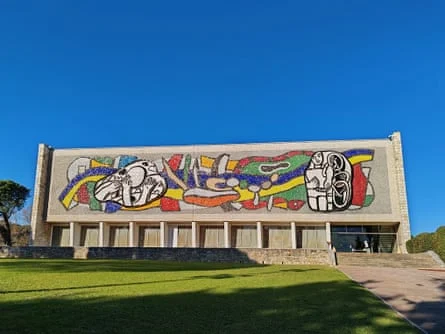
France, a nation globally celebrated for its iconic landmarks and vibrant cities, also harbors a wealth of lesser-known destinations offering unique cultural, historical, and natural experiences. From the Belle Époque elegance of a spa town to the rugged beauty of a literary hiking trail, these locales provide a compelling alternative for travelers seeking to explore beyond the conventional tourist routes. This article compiles insights from recent travelers, enriching their recommendations with broader context, historical significance, and contemporary appeal, painting a comprehensive picture of France’s diverse regional tapestry.
Vichy: A Jewel in the Auvergne’s Crown
Often overshadowed by more prominent French cities, Vichy, located in the heart of the Auvergne-Rhône-Alpes region, stands as a testament to France’s rich spa town heritage. Its distinguished history, particularly its prominence during the Second French Empire under Napoleon III and its subsequent Belle Époque and Art Nouveau architectural flourishing, earned it a coveted place on the UNESCO World Heritage list in 2021 as one of the "Great Spa Towns of Europe." This recognition underscores its exceptional universal value as an embodiment of the European spa phenomenon from the early 18th to the early 20th centuries.

Vichy’s reputation is intrinsically linked to its mineral-rich spring waters, historically revered for their therapeutic properties. Visitors can still sample these famous waters free of charge at the elegant Hall des Sources, a structure so aesthetically distinct it has been featured on the "Accidentally Wes Anderson" website, testament to its unique visual charm. Beyond its hydropathic offerings, Vichy boasts an impressive cultural calendar. Its meticulously preserved Opera House, inaugurated in 1903, and the iconic Grand Casino, dating back to 1865, regularly host a diverse array of concerts, theatrical productions, operatic performances, and art exhibitions, ensuring a dynamic cultural scene year-round.
The town’s urban landscape is a captivating blend of architectural styles, with pastel-coloured villas lining quiet streets and grand Belle Époque edifices speaking to a bygone era of luxury and leisure. With over 500 boutique shops clustered in its vibrant town centre, Vichy also caters to discerning shoppers. Its flat terrain and scenic riverside paths along the Allier River make it ideal for exploration on foot or by bicycle, offering picturesque views and numerous outdoor cafes where one can relax and soak in the ambiance. The overall aesthetic has been described by visitors as akin to "a Renoir or Matisse painting coming to life," highlighting its profound artistic appeal and tranquil beauty.
Chanaz: Alpine Charm and Aquatic Adventures in Savoie
Nestled on the tranquil northwestern edge of the Savoie department, Chanaz presents a picturesque village experience, particularly appealing during the summer months. This charming locale serves as a gateway to aquatic exploration, most notably along the Canal de Savières, a unique natural waterway connecting the Rhône River to the Lac du Bourget. Renting a canoe or an environmentally friendly electric boat allows visitors to glide along this serene canal, culminating in the expansive beauty of Lac du Bourget, France’s largest natural lake of glacial origin. The lake itself is a significant ecological site, supporting diverse flora and fauna, and offering a range of water sports.
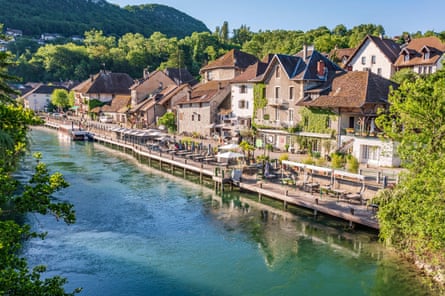
Chanaz itself is a vibrant tapestry of colourful flowers, narrow cobblestone streets, and well-maintained cycling lanes, inviting leisurely strolls and active exploration. The village’s culinary offerings include artisanal ice-cream, frequently cited by visitors as exceptional. The surrounding region of Lac du Bourget provides a wide array of affordable accommodation options, encouraging longer stays to discover the myriad of other charming villages and natural attractions that dot the landscape of Savoie. The area combines the rugged beauty of the Alps with the gentle allure of lakeside living, making it a multifaceted destination for nature lovers and cultural explorers alike.
Normandy’s Coastal Gems and Panoramic Vistas
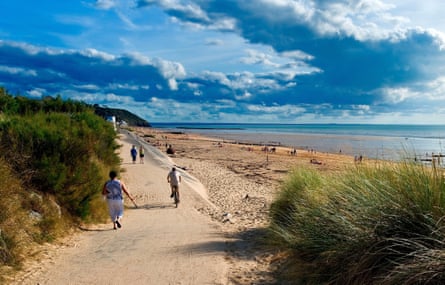
Normandy, renowned for its historical significance and dramatic coastline, offers hidden perspectives that bypass the usual tourist throngs. A particularly striking viewpoint is found at the Falaises de Champeaux (Champeaux Cliffs), offering an unparalleled panorama of Mont-Saint-Michel, often described as one of France’s most iconic sights. This specific view gained historical recognition when General Dwight Eisenhower, during World War II, established an Allied Headquarters in nearby Jullouville and frequently admired the vista.
A scenic half-hour drive from the port town of Granville to the medieval village of Genêts reveals a series of unspoilt seaside resorts, each with its own character. Saint-Pair-sur-Mer, Jullouville, and Carolles offer old-fashioned charm, replete with inviting cafes and restaurants. Before reaching the delightful Saint-Jean-le-Thomas, travelers can immerse themselves in what is famously dubbed the "most beautiful kilometre in France" – a stretch of coastline celebrated for its stunning natural beauty and expansive sea views. This area provides a compelling blend of natural grandeur, historical resonance, and authentic Norman coastal life, appealing to those seeking both relaxation and discovery.
Biot: Modern Art and Glassblowing in Provence
In the sun-drenched region of Provence, near the vibrant town of Antibes, lies a cultural gem that seamlessly blends modern art with ancient craft: the Fernand Léger National Museum in Biot. Dedicated to the influential French Cubist artist Fernand Léger, the museum houses an impressive collection of his works, ranging from paintings and drawings to mosaics and ceramics, offering a comprehensive insight into his modernist vision. The museum building itself is an architectural marvel, designed to integrate with the Provençal landscape, featuring a monumental mosaic on its facade that is a work of art in its own right. The serene, sculpture-dotted grounds surrounding the museum further enhance the visitor experience, providing a tranquil space for reflection.
Just a two-minute drive from the museum, La Verrerie de Biot offers a captivating glimpse into the region’s renowned glassmaking tradition. Here, visitors can witness free glass-blowing demonstrations, observing skilled artisans transform molten glass into intricate creations. The adjacent shop showcases a wide array of these unique glass pieces, from functional tableware to decorative art, providing an opportunity to take home a tangible piece of Provençal artistry. This combination of a world-class modern art institution and an active traditional craft workshop makes Biot a uniquely enriching destination, appealing to art enthusiasts and those interested in artisanal heritage.
Hiking Through History: The Robert Louis Stevenson Trail in Massif Central
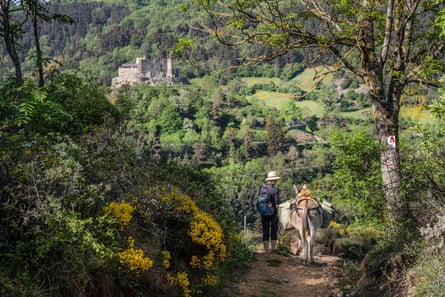
For adventurers and literary enthusiasts, the Massif Central region offers an immersive journey along the Chemin de Stevenson (GR 70), a 140-mile footpath through the rugged and beautiful Cévennes mountains. This iconic trail traces the route taken by Scottish author Robert Louis Stevenson in 1878, accompanied by his recalcitrant donkey, Modestine, an adventure famously chronicled in his travelogue, Travels with a Donkey in the Cévennes, published in 1879. The trail crosses four distinct departments—Haute-Loire, Ardèche, Lozère, and Gard—each offering unique landscapes and cultural insights.
The GR 70 is typically undertaken over several days, with hikers averaging around 15 miles daily across rocky trails, dense woodlands, and open moorland. Accommodation along the route often consists of basic hostels, some of which boast the historical distinction of having hosted Stevenson himself over a century ago. These gîtes d’étape and chambres d’hôtes provide essential respite and a taste of local hospitality, with evening meals often served at nearby bistros and breakfasts sourced from traditional boulangeries.
The experience is described as a profound connection to both nature and literary history. Hikers often find themselves in solitude, accompanied only by the echoes of Stevenson’s words as they endeavor to retrace his footsteps. The Cévennes region itself is a designated UNESCO Biosphere Reserve and a national park, celebrated for its dramatic landscapes, rich biodiversity, and distinct cultural identity, including its Protestant heritage. The Chemin de Stevenson offers not just a physical challenge but a contemplative journey, allowing participants to delve into the heart of a region that profoundly inspired one of literature’s great travel writers.
Amboise: Leonardo’s Legacy on the Loire
Amboise, a picturesque town nestled on the banks of the Loire River, is a pivotal destination within the UNESCO World Heritage-listed Loire Valley, famous for its magnificent châteaux. This charming town boasts three significant châteaux, each offering a unique perspective on French history and culture.
The most imposing is the Château Royal d’Amboise, a former royal residence that played a crucial role in French history. It was here that King Francis I, a great patron of the arts, extended an invitation to Leonardo da Vinci, welcoming him to France for the last three years of his life (1516–1519). Leonardo’s final resting place is a dedicated chapel within the Château Royal, the Chapel of Saint-Hubert, a delicate Gothic structure adorned with intricate carvings.
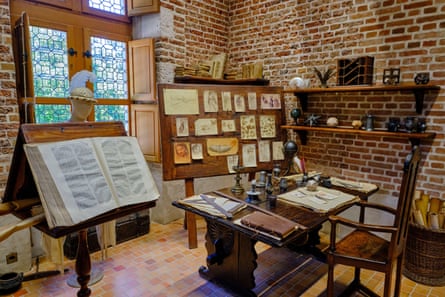
Adjacent to the Royal Château, and arguably the most captivating for many visitors, is the Clos Lucé. This smaller manor house was lent to Leonardo by Francis I, serving as his home and workshop until his death. Today, the Clos Lucé is a vibrant museum celebrating Leonardo’s genius, showcasing full-sized mock-ups of his groundbreaking designs and inventions scattered throughout its beautiful park. Models of his diverse mechanical and architectural innovations are also displayed in the cellars, bringing his visionary ideas to life. Inside the manor, Leonardo’s bedroom, kitchen, and atelier have been meticulously recreated, offering an intimate glimpse into his daily life and creative process.
The third château, Château Gaillard, is renowned for its pioneering Renaissance landscape architecture and exquisite gardens, which were among the first Italianate gardens established in France. Amboise thus offers a multi-layered historical and cultural experience, from the grandeur of royal power to the intimate world of a Renaissance master, all set within the stunning natural beauty of the Loire Valley.
Cycling Normandy’s Art Deco Coastline
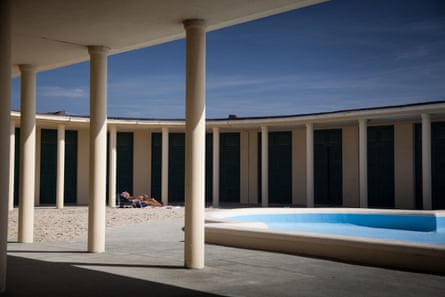
Normandy’s coastline offers a unique blend of rugged beauty, historical significance, and elegant seaside resorts, perfectly suited for exploration by bicycle. Starting from the port town of Dieppe, historically linked by ferry to Newhaven, cyclists can embark on a journey that combines scenic rides with refreshing dips in the sea.
The route along the Normandy coast passes through iconic towns such as Honfleur, with its picturesque old harbour; Deauville, famous for its grand casino and film festival; and Trouville, known for its charming Art Deco lido. The coastline is dotted with opportunities for sea swimming, including Deauville’s beautiful seawater Olympic pool and the tidal sea pools found at Saint-Pair-sur-Mer and Granville. These pools, often featuring distinctive architecture from the early 20th century, provide a nostalgic and invigorating experience. While some beloved institutions, like Les Bains de Dieppe, have unfortunately closed due to structural issues, the region retains ample opportunities for aquatic enjoyment.
Cycling between these destinations offers a distinct way to experience Normandy, allowing for flexible travel and close interaction with the landscape and local communities. The journey can be adapted with train travel during inclement weather or for longer distances, ensuring accessibility and comfort. This type of slow travel reveals the diverse character of Normandy’s coastal towns, from bustling resorts to quieter fishing villages, all framed by the dramatic English Channel.
Arles: A Canvas of History and Photography in Provence
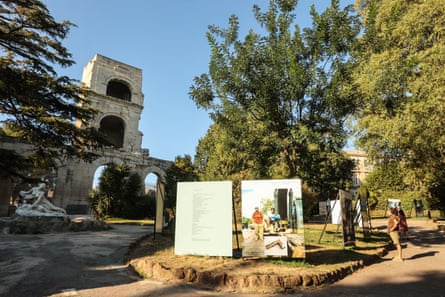
Arles, a city steeped in Roman history and artistic legacy, transforms into a vibrant hub of contemporary art during the long summer months, hosting Les Rencontres d’Arles. This internationally acclaimed photography festival, typically running from early July to early October, showcases cutting-edge photographic works across an eclectic mix of venues. Romanesque churches and cloisters, the historic town hall, serene shady parks, and even repurposed industrial spaces like a Monoprix warehouse, all become galleries, creating an immersive cultural experience within easy walking distance. The festival draws artists, curators, and enthusiasts from around the globe, solidifying Arles’ position as a significant center for photographic arts.
Beyond the festival, Arles invites visitors to trace the footsteps of Vincent Van Gogh, who spent a pivotal period of his life here. Iconic scenes from his paintings, such as the "Starry Night Cafe" and the canal leading towards the "Bridge at Arles," are still discernible, offering a tangible connection to the artist’s intense creative period. The city’s rich Roman heritage is evident in its UNESCO World Heritage sites, including the remarkably preserved Roman arena and theatre, which continue to host events today, offering panoramic Provençal views from their ancient tiers.
In September, Arles celebrates its agricultural heritage with the vibrant Camargue Rice Festival (Fête du Riz). This unique local event features tractor-pulled floats adorned with rice-themed decorations, lively music, and the playful tradition of flinging rice like confetti, offering a joyful and authentic insight into the region’s agricultural importance and cultural traditions. Arles, therefore, offers a captivating blend of ancient history, world-class contemporary art, and authentic regional festivities, making it a dynamic destination throughout the summer and early autumn.
Clisson: A Slice of Tuscany in Pays de la Loire
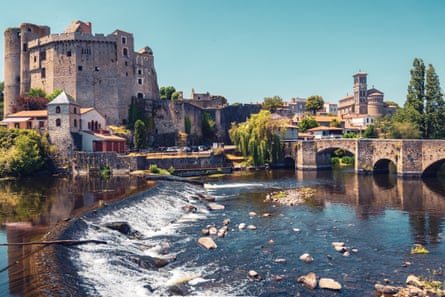
Clisson, a delightfully surprising town in the Pays de la Loire region, offers a distinctly Mediterranean ambiance that transports visitors far from western France. Situated in the heart of the Muscadet wine region, Clisson stands out with its unique Italianate-style architecture, a legacy of wealthy Nantes merchants and artists who were inspired by Tuscan landscapes in the late 18th and early 19th centuries. Terracotta roofs, ochre-toned facades, and cypress trees abound, creating a visual aesthetic reminiscent of rural Italy.
The town’s historical focal point is its medieval castle, from which sweeping views extend towards the picturesque Domaine de la Garenne Lemot. This expansive estate, conceived by the influential sculptor François-Frédéric Lemot, further reinforces the Italian influence with its neoclassical villas, temples, and romantic gardens designed in the style of the Roman campagna. The presence of umbrella pines throughout Clisson accentuates its characteristic ambiance, with one particularly remarkable leaning specimen tucked away on a charming side street, adding to the town’s quirky appeal.
Clisson’s location in the Muscadet wine region also offers opportunities for viticultural exploration, with numerous vineyards and cellars providing tastings of the region’s crisp, dry white wines. The Sèvre Nantaise river, which flows through the town, adds to its scenic beauty, with old mills and bridges enhancing its charm. Clisson presents a compelling destination for those seeking a unique cultural experience, blending French regional identity with a captivating Italian spirit, all set within a significant wine-producing landscape.
Corrèze: Canoeing Through the Wild Heart of Nouvelle-Aquitaine
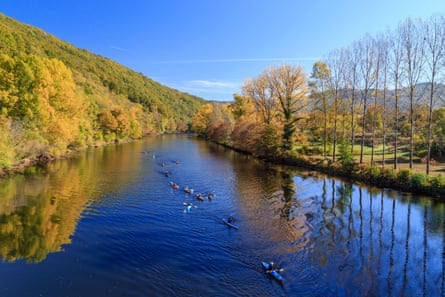
The Corrèze department, a rural gem within the Nouvelle-Aquitaine region, offers a tranquil and untouched natural landscape, making it an ideal destination for outdoor enthusiasts seeking peace and natural beauty. Characterized by its dramatic gorges, serene lakes, sleepy farming hamlets, and the iconic furry brown Limousin cows that dot its pastures, Corrèze provides a peaceful retreat even during the peak summer months of August.
One of the region’s most celebrated activities is canoeing along its pristine rivers, where the Dordogne and Diège converge to create breathtaking natural corridors. A typical excursion might involve following a winding, switchback road to a local canoe rental provider, such as Smile Kayak. Equipped with waterproof barrels for baguettes, local cheeses, and refreshing beverages, visitors can embark on a leisurely paddle through the gorges. The experience is often one of profound solitude, with the tranquil waters reflecting the autumnal trees and the only sounds being the dip of paddles and the calls of local wildlife.
The skies above Corrèze are frequently graced by the majestic sight of red kites wheeling overhead, adding to the sense of wild, untamed nature. The opportunity to shout for echoes within the silent gorges further enhances the adventurous spirit of the journey. Corrèze appeals to those looking to disconnect from urban life and immerse themselves in a landscape of unspoilt rivers, ancient forests, and rich biodiversity, offering active relaxation within a truly authentic French rural setting.
Conclusion: The Enduring Appeal of France’s Diverse Regions
The collective experiences shared by these travelers underscore the vast and varied appeal of France beyond its well-trodden paths. From the historic elegance of Vichy and the artistic enclave of Biot to the literary trails of the Massif Central and the Italianate charm of Clisson, these destinations offer a profound immersion into French culture, history, and natural beauty. They highlight the enduring value of seeking out local recommendations and venturing into regions that promise authentic encounters and memorable discoveries. These narratives serve as a testament to France’s inexhaustible capacity to surprise and delight, reaffirming its status as a premier travel destination for every type of explorer.