Jono Maryono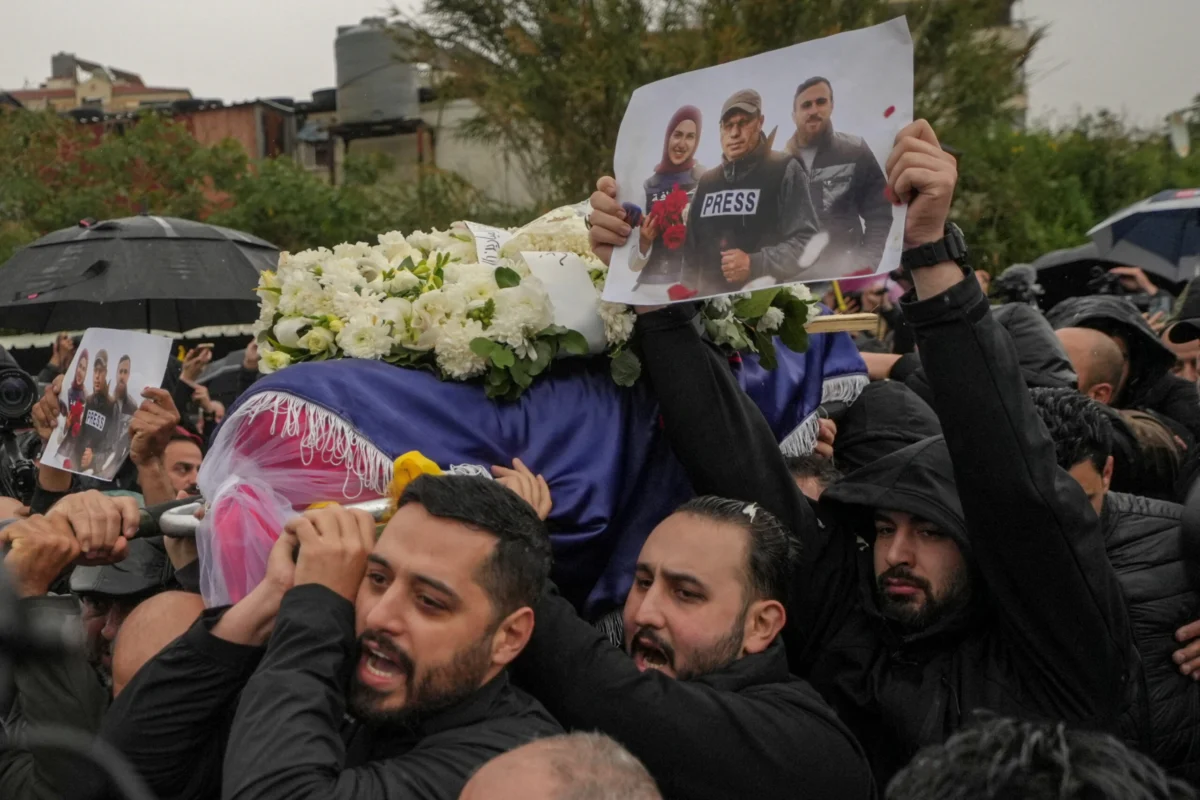
Three United Nations experts have issued a stark condemnation of the recent Israeli strike that killed three journalists in Lebanon, labeling the incident "another egregious attack on press freedom by Israeli forces" and calling for an independent and thorough investigation. The experts – UN Special Rapporteurs Irene Khan (freedom of expression), Morris Tidball-Binz (extrajudicial, summary or arbitrary executions), and Ben Saul (human rights and counter-terrorism) – underscored that journalists performing their professional duties in armed conflict are civilians and must not be targeted. Their statement, released on Thursday, emphasized that the deliberate killing of journalists not directly participating in hostilities constitutes a serious violation of international human rights and humanitarian law, amounting to a war crime.
The fatal incident occurred on March 28 when an Israeli strike targeted the vehicle carrying Al Mayadeen journalist Fatima Ftouni, her brother and freelance photojournalist Mohamad Ftouni, and Al-Manar’s Ali Shoaib in southern Lebanon. Al Mayadeen and Al-Manar are media outlets with reported affiliations to Hezbollah. Following the attack, the Israeli military claimed that Ali Shoaib was a fighter with the Lebanese armed group, a charge made without the presentation of any evidence. This assertion was vehemently rejected by Shoaib’s colleagues and, crucially, by the UN experts. They reiterated that affiliation with a media outlet linked to an armed group does not, under international law, equate to direct participation in hostilities.
"Israeli officials know this, yet they choose to ignore it – emboldened by impunity for their previous killings of journalists in Lebanon, Gaza and the West Bank," the UN experts stated, drawing a direct line between the current incident and a pattern of alleged Israeli actions. This assertion of impunity is supported by findings from organizations like the Committee to Protect Journalists (CPJ). In February, CPJ reported that Israel was responsible for two-thirds of all journalist killings in 2024 and 2025. The report highlighted that over 60 percent of the 86 members of the press killed by Israeli fire last year were Palestinian journalists reporting from the Gaza Strip amidst what the advocacy group described as Israel’s "genocidal war" in the coastal enclave.
A Pattern of Violence Against the Press
The targeting of journalists in southern Lebanon is not an isolated event. Sara Qudah, CPJ’s Middle East director, warned that Lebanon is increasingly becoming "an increasingly deadly zone for journalists, despite their status as civilians who must not be targeted." She further noted a "disturbing pattern in this war and in the decades prior of Israel accusing journalists of being active combatants and terrorists without providing credible evidence." Qudah’s statement, made after the recent killings, reinforced the critical point: "Journalists are not legitimate targets, regardless of the outlet they work for."
The UN experts echoed these concerns, warning that the killing of Lebanese journalists is part of "an abominable push… to silence reporting on Israel’s current military action in Lebanon, and shut down news coverage of war crimes committed, just as it did in Gaza." This suggests a deliberate strategy to impede the flow of information and accountability for alleged wartime actions.
Chronology of Escalating Attacks and International Scrutiny
The recent incident in Lebanon follows a prolonged period of intense conflict and scrutiny over the treatment of journalists in the region.
- Early March 2026: Intensified Israeli attacks across Lebanon escalate, resulting in significant casualties.
- March 28, 2026: Al Mayadeen journalist Fatima Ftouni, her brother Mohamad Ftouni, and Al-Manar’s Ali Shoaib are killed in a targeted strike on their vehicle in southern Lebanon.
- Late March 2026: The Israeli military claims Ali Shoaib was a fighter, a charge unsubstantiated by evidence and disputed by colleagues and international observers.
- Early April 2026: Three UN experts issue a statement calling for an independent investigation and condemning the killings as a violation of international law and a war crime. They explicitly link the incident to a pattern of impunity for previous journalist killings in Lebanon, Gaza, and the West Bank.
- February 2026: The Committee to Protect Journalists (CPJ) releases a report indicating Israel’s responsibility for two-thirds of journalist killings in 2024-2025, with a significant majority of those killed being Palestinian journalists in Gaza.
This timeline illustrates a growing concern among international bodies and press freedom advocates regarding the safety of journalists operating in conflict zones, particularly those perceived to be under Israeli fire.
Background Context: The Gaza Conflict and its Ramifications
The killings in Lebanon occur against the backdrop of the ongoing Israeli military campaign in Gaza, which began in October 2023 following Hamas attacks on Israel. This conflict has been characterized by unprecedented levels of destruction and a high civilian death toll. The targeting of journalists has been a critical and persistent issue throughout this period.
The UN experts’ reference to Gaza is significant. Reports from organizations like CPJ and Reporters Without Borders have consistently documented the immense danger faced by journalists in the Gaza Strip. Many Palestinian journalists have been killed or injured while attempting to report on the conflict, often under extremely difficult and perilous conditions. Their work has been crucial in documenting the human cost of the war, the destruction of infrastructure, and alleged violations of international law.
The accusation by Israel that journalists are combatants, particularly when directed at those working for media outlets affiliated with groups like Hezbollah or Hamas, is a contentious point. International law distinguishes between combatants and civilians, and the act of reporting, even for an organization associated with a political or military entity, does not inherently make a journalist a combatant unless they are directly participating in hostilities. The UN experts’ strong rebuttal of this claim highlights the international legal framework that protects journalists as civilians.
Data and Statistics: The Grim Reality for Journalists
The statistics paint a grim picture of the risks faced by journalists in conflict zones, particularly in the context of Israeli military operations.
- CPJ Data (February 2026 report):
- Israel responsible for two-thirds of journalist killings in 2024-2025.
- Over 60% of the 86 journalists killed by Israeli fire last year were Palestinian, reporting from Gaza.
- Lebanese Ministry of Health Data:
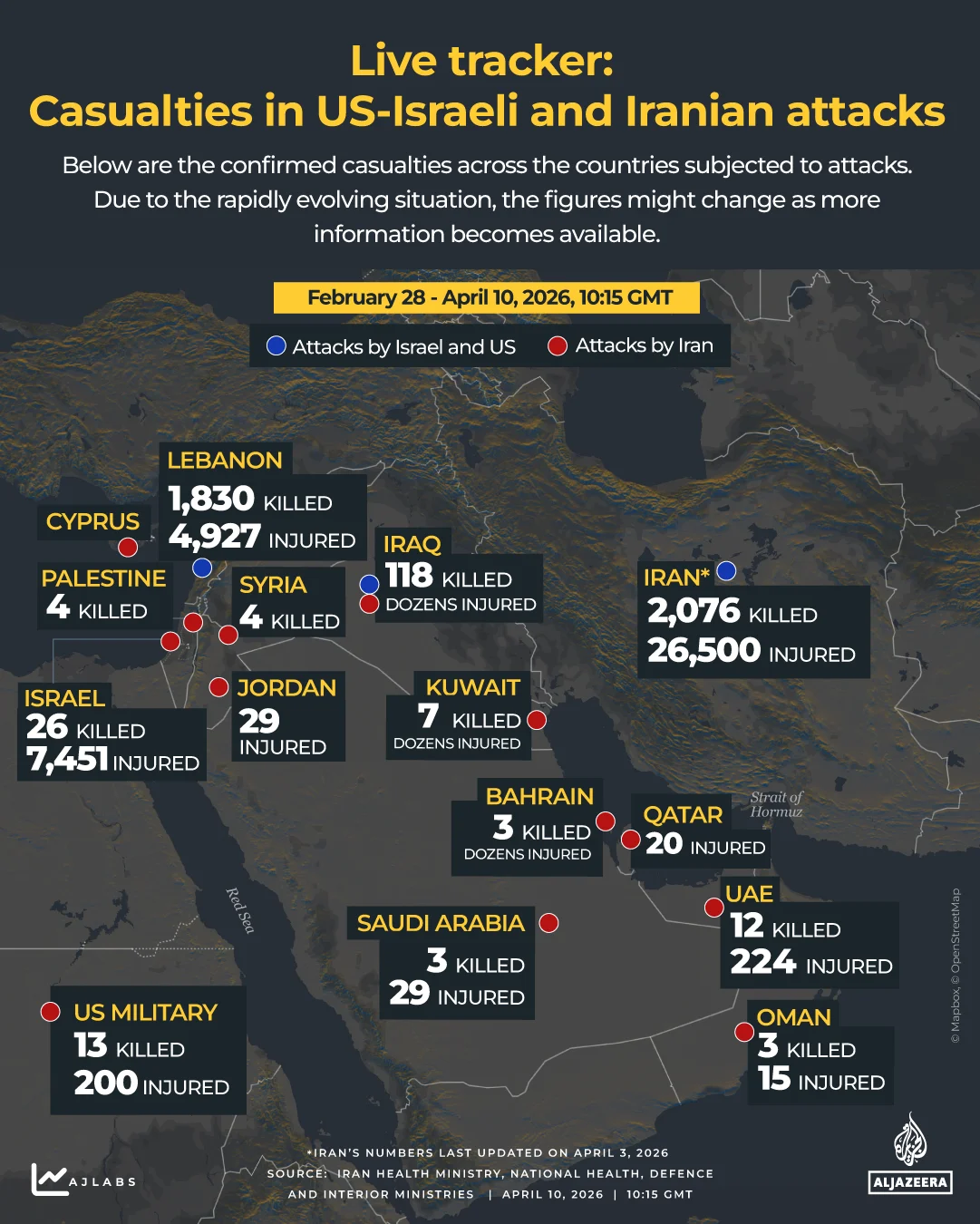
- At least 1,345 people killed and 4,040 wounded in intensified Israeli attacks across Lebanon since early March 2026. While this data is broader than just journalist casualties, it underscores the intensity of the conflict environment in which journalists are operating.
These figures underscore the severity of the situation and provide a factual basis for the UN experts’ claims of a pattern of targeting and a lack of accountability.
Implications and Analysis: Silencing the Narrative
The implications of these alleged attacks on journalists extend far beyond the immediate loss of life. The UN experts’ assertion that the killings are part of a deliberate effort to "silence reporting" and "shut down news coverage of war crimes" suggests a strategic objective to control the narrative surrounding Israeli military actions.
Key implications include:
- Erosion of Press Freedom: The deliberate targeting of journalists creates a chilling effect, discouraging reporting from conflict zones and limiting the public’s access to vital information. This directly undermines the principles of press freedom, a cornerstone of democratic societies and international accountability.
- Hindrance to Accountability: When journalists are killed or intimidated, the ability to document and report on potential war crimes or violations of international law is severely hampered. This can create an environment where impunity flourishes, as there are fewer independent witnesses and sources of information.
- Impact on Public Perception: The controlled narrative can shape public opinion and international responses to conflicts. By silencing critical voices, states involved in hostilities may seek to avoid scrutiny and maintain their preferred portrayal of events.
- International Legal Ramifications: The repeated violation of international humanitarian law through the targeting of civilians, including journalists, can lead to significant legal and diplomatic repercussions for the states involved. The UN experts’ call for an "independent and thorough investigation" is a step towards ensuring accountability under international legal frameworks.
The statement from the UN experts, coupled with the consistent reporting from press freedom organizations, highlights a critical international concern. The lack of credible evidence provided by Israel to substantiate claims of journalists being combatants, alongside the recurring pattern of killings and the absence of accountability, fuels the allegations of impunity. As the conflict continues, the safety of journalists and the freedom of the press remain paramount for ensuring transparency, justice, and the adherence to international law. The international community will be watching closely to see if the calls for independent investigations translate into tangible actions and accountability.