Kang Muslim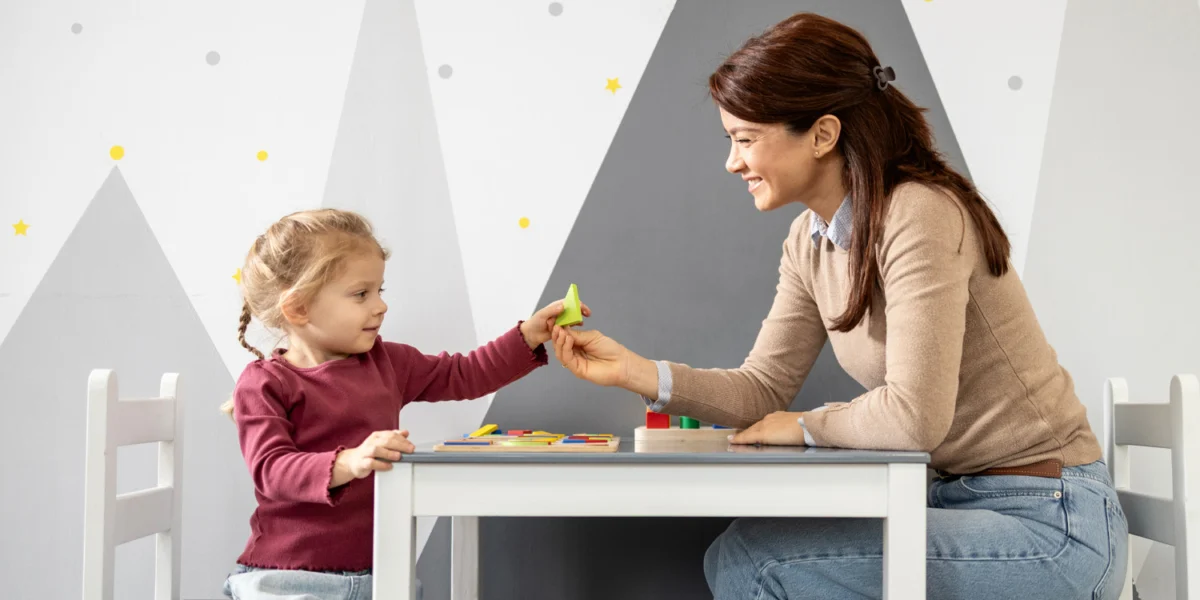
A groundbreaking study recently published in the journal Developmental Science suggests that the human impulse toward generosity is not merely a learned social convention but an intrinsic source of emotional fulfillment that manifests in the earliest stages of life. Researchers have discovered that toddlers as young as 16 months old exhibit significantly higher levels of visible happiness when sharing resources with others than when receiving those same resources themselves. This finding provides robust empirical evidence for the "warm glow" hypothesis—the theory that prosocial behavior is driven by an internal reward system that reinforces cooperation through positive affect.
The research, led by Enda Tan, an assistant professor at the University of Victoria, and a team of developmental psychologists, marks a significant shift in our understanding of early childhood psychology. While children are often characterized in popular culture by their possessiveness—the "terrible twos" and the "mine" phase—this data suggests that underneath those developmental milestones of autonomy lies a deeply rooted biological predisposition toward altruism. By isolating the emotional responses of toddlers during various acts of giving and receiving, the study highlights that the act of benefiting another individual provides a unique psychological utility that exceeds the satisfaction of personal gain.
The Evolutionary and Psychological Context of Prosociality
Human civilization is built upon a foundation of deep cooperation. Unlike many other species, humans frequently engage in "high-cost" prosocial behaviors, providing assistance to non-kin and even strangers at a personal expense. These behaviors range from small daily courtesies to life-altering sacrifices, such as organ donation or surrogate pregnancy. To understand why humans developed these traits, scientists have long looked to developmental psychology to see when these behaviors first emerge and what motivates them.
Historically, two primary theories have competed to explain early childhood cooperation. The first suggests that children are socialized into being helpful through a system of external rewards, such as praise from parents or the avoidance of punishment. The second theory, which this study supports, posits that humans have evolved an internal emotional incentive for cooperation. This "warm glow" serves as a proximate mechanism that ensures the survival of the group by making sharing feel good for the individual.
Previous research into this phenomenon often faced criticism due to small sample sizes and potential confounding variables. Earlier studies suggested that children might smile during sharing tasks not because they enjoyed giving, but because they were eager to please the adult researchers conducting the experiment. The University of Victoria study sought to address these methodological gaps by utilizing a larger, more diverse sample and a more sophisticated experimental design to rule out external influences.
Methodology: Constructing a Controlled Environment for Altruism
The study recruited 134 healthy toddlers, with ages ranging from 16.57 to 23.77 months. This specific age bracket is critical, as it represents the period when children first begin to demonstrate recognizable sharing behaviors but are still largely pre-verbal and less influenced by complex social expectations than older children.
The experiments were conducted in a highly controlled laboratory setting. To ensure that the children’s reactions were authentic and not a reflection of their parents’ cues, caregivers were required to sit with the child on their lap but were effectively neutralized: they wore noise-canceling headphones playing music and kept their eyes closed throughout the interactions. This "double-blind" approach ensured that the toddlers were responding solely to the social interaction at hand rather than looking to their parents for "correct" emotional responses.
The central figure in the experiment was a stuffed monkey puppet, introduced to the children as a character who enjoyed snacks. The researchers used common toddler treats, such as graham crackers or Goldfish crackers, as the "currency" of the experiment. The interactions were divided into several distinct phases to compare different types of giving and receiving.
The Four Scenarios of Giving
To isolate the source of the children’s happiness, the research team designed four randomized scenarios:
- Costly Giving: The toddler was asked to give one of their own treats—one they had already been given and "owned"—to the monkey.
- Non-Costly Giving: The researcher provided a new treat from a hidden source and asked the child to hand it to the monkey.
- Observe Giving: The child watched as the researcher gave a treat to the monkey, acting as a third-party observer of generosity.
- Give to Self: The researcher provided a treat and instructed the child to keep it or put it in their own bowl.
This fourth scenario, "Give to Self," was perhaps the most vital control element. If the toddlers were simply happy because they were successfully following an adult’s instructions, they would show equal levels of happiness when told to give to themselves as they did when told to give to the monkey. If, however, the happiness was tied to the act of prosociality, the "Give to Self" phase would result in lower happiness ratings.
Data Analysis: Measuring the "Warm Glow"
To quantify the emotional state of the participants, the researchers recorded the toddlers’ facial expressions during each phase. These videos were then analyzed by independent reviewers who were unaware of the study’s specific hypotheses. Using a seven-point scale, where a score of one represented no happiness and a score of seven represented peak joy (such as laughing or wide-mouthed smiling), the coders meticulously rated the children’s reactions.
The results were statistically significant and consistent across the group. The toddlers displayed the highest levels of happiness during the "costly giving" phase—when they gave away their own treats. Notably, they were happier giving their own treats than they were receiving treats for themselves at the start of the session.
Furthermore, the data revealed that:
- Active Giving vs. Observing: Children were happier when they personally handed a treat to the monkey than when they simply watched the researcher do it.
- Prosociality vs. Obedience: The happiness recorded during giving (both costly and non-costly) was significantly higher than during the "Give to Self" phase. This effectively debunked the theory that the children were merely enjoying the process of following directions.
- Ruling Out Emotional Contagion: The researchers also rated the puppet’s enthusiasm. They found no correlation between the puppet’s "excitement" and the child’s happiness, suggesting the child was not just mimicking the puppet’s joy but experiencing an internal reward.
Implications for Human Development and Society
The study’s findings suggest that the emotional infrastructure for human cooperation is present almost from the beginning of our social lives. "This study provides evidence that, soon after sharing behaviors emerge, young children experience greater reward from giving resources to others than from receiving resources, observing others give, or giving to themselves," Enda Tan explained. This suggests that the "warm glow" is an ontogenetic fixture of the human experience.
From a pedagogical and parenting perspective, these results offer a more optimistic view of early childhood. Rather than viewing toddlers as inherently selfish beings who must be "broken" of their possessive habits, educators and parents can view them as beings who possess a natural, albeit burgeoning, capacity for altruistic joy. Encouraging sharing, therefore, may not be a matter of forcing a child to do something unpleasant, but rather providing them with opportunities to experience a natural form of fulfillment.
On a broader scale, this research contributes to the field of evolutionary psychology. If giving is intrinsically rewarding, it explains how large-scale human cooperation could be maintained over generations. If the internal "reward" for helping others is stronger than the "reward" for hoarding resources, the biological drive for altruism can override the drive for immediate personal gain, facilitating the complex social structures that define the human species.
Limitations and the Path Forward
While the study is a significant leap forward in developmental research, the authors acknowledged certain limitations. The sample was primarily drawn from a North American urban environment, which may reflect specific cultural nuances regarding sharing and social interaction. To determine if this "warm glow" is a universal human trait, future studies will need to replicate these findings in diverse cultural settings, including collectivist societies and hunter-gatherer communities.
Additionally, the researchers pointed toward the future use of physiological measurements. While facial coding is a validated method for assessing emotion in non-verbal subjects, biological markers such as pupil dilation, heart rate variability, and skin conductance could provide an even more objective map of the toddler’s internal state. These tools could help scientists distinguish between different "flavors" of happiness—such as the excitement of a game versus the deep satisfaction of a social bond.
As the scientific community continues to explore the origins of morality and cooperation, this study stands as a pivotal reminder that the impulse to be kind is not just a social requirement, but a fundamental part of what makes humans feel whole. The "warm glow" of giving appears to be one of our earliest emotional experiences, reinforcing the idea that we are, by nature, a species designed to care for one another.