Danny Garick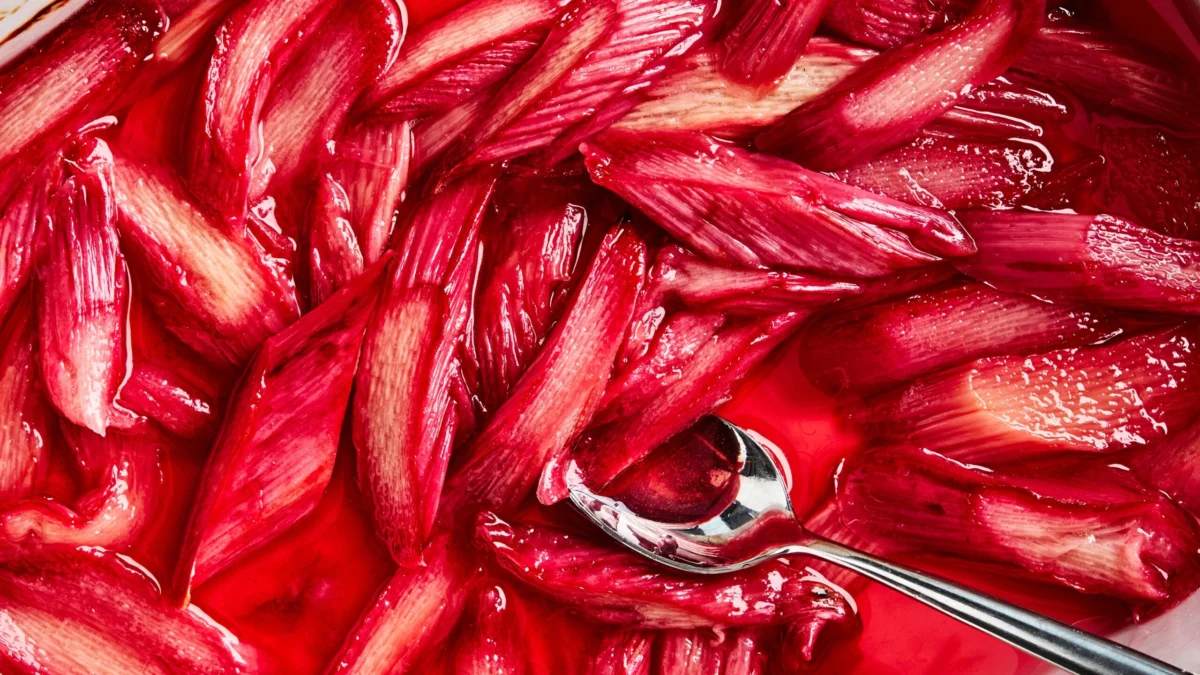
The perennial vegetable known as rhubarb, or Rheum rhabarbarum, has transitioned from its historical origins as a medicinal root to a cornerstone of contemporary spring and summer culinary programming. While traditionally associated with the production of fruit-based pies, the modern culinary landscape has seen a significant diversification in how this tart, stalk-based plant is utilized. From high-end gastronomy to commercial beverage production, rhubarb’s distinctive acidity and vibrant pigmentation have made it a high-value commodity in the seasonal produce market. This shift reflects a broader consumer interest in tart flavor profiles and the farm-to-table movement, which prioritizes the use of fresh, locally sourced ingredients during their peak nutritional and flavor windows.
Botanical Characteristics and Historical Chronology
Rhubarb is a member of the Polygonaceae family, which also includes buckwheat and sorrel. Its edible portion consists of the fleshy petioles, or stalks, while its large, triangular leaves are discarded due to high concentrations of oxalic acid, which can be toxic to humans and livestock if consumed in significant quantities. The plant thrives in temperate climates, requiring a dormant period of cold temperatures below 40°F (4°C) to ensure a productive growing season.
The history of rhubarb is a long arc of transition from East to West. Records indicate that rhubarb was utilized in ancient China as early as 2700 BCE, primarily for its purgative properties. The dried roots were a staple of the Traditional Chinese Medicine pharmacopeia. It was not until the 14th century that rhubarb began to appear in European trade routes, often commanded at prices that exceeded those of rare spices like saffron or cinnamon due to the difficulty of transporting the dried root across the Silk Road.
The shift toward culinary use occurred in the late 18th and early 19th centuries, particularly in Great Britain. This era coincided with the falling price of sugar, which was necessary to balance the extreme tartness of the stalks. By the Victorian era, rhubarb had become a staple of the British diet, leading to the development of "forced rhubarb." This technique, discovered by accident in the Chelsea Physic Garden in 1817, involves growing the plant in total darkness. This process results in more tender, sweeter, and more vividly red stalks than those grown in natural light. The "Rhubarb Triangle" in West Yorkshire became the global epicenter for this specialized agricultural practice, a status it maintains today with a Protected Designation of Origin (PDO) status within the European market.
Agricultural Production and Economic Data
Global production of rhubarb is concentrated in regions with cool, moist climates. In the United Kingdom, the aforementioned Rhubarb Triangle remains a critical economic driver for the agricultural sector in Yorkshire. In the United States, the majority of commercial rhubarb production is centered in the Pacific Northwest, specifically in Washington and Oregon, as well as in Michigan and parts of the Northeast.
According to agricultural data, rhubarb is considered a specialty crop with a relatively stable market demand. Unlike commodity crops such as corn or soy, rhubarb is often sold through direct-to-consumer channels, including farmers’ markets and community-supported agriculture (CSA) programs, as well as to high-end restaurants. The economic value of the crop is bolstered by its early arrival in the spring, often being one of the first fresh products available after the winter months. This early-season availability allows farmers to generate revenue during a period when other crops are still in the germination or early growth phases.
The chemistry of rhubarb is central to its culinary appeal. The tartness is primarily derived from malic acid, the same compound found in tart apples, and to a lesser extent, oxalic acid. The red coloration is caused by anthocyanins, which are water-soluble vacuolar pigments that may appear red, purple, or blue depending on the pH level. These compounds are also recognized for their antioxidant properties, adding a nutritional incentive for consumer purchase.
Culinary Evolution Beyond the Traditional Pie
While the term "pie plant" remains a common colloquialism for rhubarb in North America, culinary professionals have significantly expanded the ingredient’s repertoire. The modern approach to rhubarb emphasizes its structural integrity and its ability to bridge the gap between sweet and savory applications.
In the realm of desserts, roasting has emerged as a preferred preparation method. By roasting rhubarb with a sweetener such as honey or cane sugar, chefs can soften the fibrous texture while maintaining the stalk’s shape, a result that is often lost in the stewing process. These roasted segments are frequently utilized as toppings for dairy-based foundations, such as yogurt, panna cotta, or cream cheese-based pound cakes. The fat content in these dairy products serves as a textural and flavor foil to the rhubarb’s acidity.
The savory application of rhubarb is a growing trend in modern gastronomy. When sliced thinly and served raw, rhubarb provides a crisp texture and a sharp, citrus-like bite to salads, particularly those featuring bitter greens like arugula or radicchio. Furthermore, the high acidity of rhubarb makes it an ideal base for chutneys and compotes that accompany rich meats, such as roasted duck, pork belly, or oily fish like mackerel. The acidity acts as a palate cleanser, cutting through the lipid content of the proteins.
The Beverage Industry and Preservation Trends
The beverage industry has also capitalized on the rhubarb trend. The rise of craft cocktails and artisanal sodas has seen a surge in the use of rhubarb-infused syrups, bitters, and shrubs. A shrub, which is a concentrated syrup made from fruit, sugar, and vinegar, is particularly well-suited for rhubarb, as the vinegar reinforces the plant’s natural tang.
In the commercial sector, the popularity of rhubarb-flavored gins and sparkling ciders has increased. Data from market research firms suggest that "botanical" and "tart" are two of the fastest-growing flavor profiles in the alcoholic beverage category. Rhubarb fits both criteria, offering a sophisticated alternative to the overly sweet fruit flavors that dominated the market in previous decades.
Preservation remains a critical aspect of the rhubarb lifecycle. Because of its short peak season—typically from April to June in the Northern Hemisphere—home cooks and commercial producers alike rely on canning and freezing. Rhubarb jams and compotes often incorporate ginger, orange zest, or strawberries to provide complexity. The pairing of rhubarb and strawberry is a classic culinary synergy; the sweetness of the strawberry offsets the acidity of the rhubarb, a combination that has been a staple of American confectionery since the 19th century.
Expert Insights and Industry Reactions
Culinary experts and agronomists provide a multifaceted view of rhubarb’s current standing. From a chef’s perspective, rhubarb is valued for its "utility of acid." As noted by several prominent pastry chefs, rhubarb provides a natural source of acidity that can replace citrus in various recipes, offering a local alternative to imported lemons or limes during the spring months.
Agronomists point to rhubarb as a resilient crop in the face of certain climate challenges, though it remains sensitive to extreme heat. Dr. David Picha, a professor of horticulture, has noted that the perennial nature of rhubarb makes it a sustainable choice for small-scale farmers, as a well-maintained crown can produce for 10 to 15 years. However, he also cautions that shifting weather patterns and unseasonably warm winters can disrupt the necessary chilling hours required for the plant to break dormancy, potentially impacting future yields.
Nutritionists highlight the health benefits of the stalks, which are low in calories but high in fiber, Vitamin K1, and Vitamin C. While the necessity of adding sugar to make rhubarb palatable is a consideration, the inclusion of the vegetable in a balanced diet contributes to bone health and blood coagulation regulation.
Broader Impact and Market Implications
The resurgence of rhubarb is indicative of a larger shift in consumer behavior toward seasonal literacy. As consumers become more aware of the environmental and flavor benefits of eating according to the seasons, ingredients like rhubarb, which have a defined and limited window of availability, gain a "limited edition" status that drives demand.
The impact on the supply chain is notable. Retailers have had to adapt to the fragility of fresh rhubarb stalks, which can wilt quickly if not stored in high-humidity, cool environments. This has led to improvements in refrigerated transport and misting technologies in produce sections. Furthermore, the "FAQ" approach adopted by many food media outlets—addressing consumer questions on how to select, store, and trim the stalks—has lowered the barrier to entry for home cooks who may have previously been intimidated by the vegetable’s unique preparation requirements.
In conclusion, rhubarb represents a unique intersection of agricultural history, chemical complexity, and culinary innovation. Its transition from a medicinal purgative to a sought-after culinary asset highlights the evolving nature of the global palate. As chefs continue to experiment with its savory potential and the beverage industry integrates its flavor into new products, rhubarb’s position in the culinary pantheon is likely to expand beyond the confines of the traditional pie, cementing its status as a versatile and economically significant component of the modern diet. The continued success of the crop will depend on sustainable agricultural practices and the ongoing education of consumers regarding its diverse applications and seasonal importance.