Reynand Wu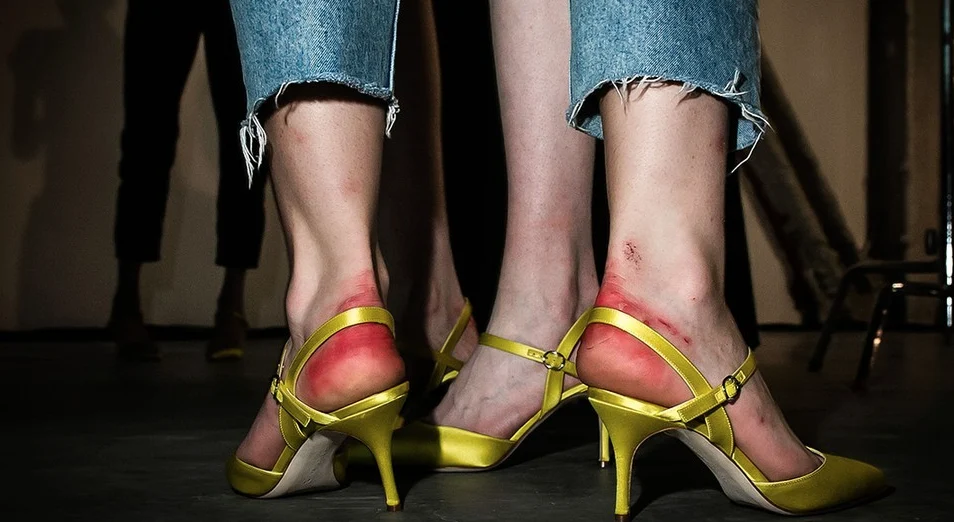
A recent photograph captured by Dina Litovsky, depicting a model’s visibly inflamed feet squeezed into slingback heels during a high-profile fashion event, has ignited a fierce debate across social media and mainstream platforms. The image, which quickly went viral, garnered over 500,000 likes and countless comments on Instagram alone, sparking a critical conversation about the human cost embedded within the pursuit of aesthetic perfection in the fashion industry. Reposted by prominent outlets such as National Geographic and numerous influencers, the photograph serves as a stark reminder of the often-overlooked physical and psychological toll on models, resurrecting a long-standing critique of the industry’s prioritization of beauty over the well-being of its workforce.
A Recurring Narrative: The Uncomfortable Truth on the Runway
The incident is far from isolated, echoing similar controversies that have periodically surfaced throughout fashion history. A notable precedent occurred during Louis Vuitton’s 2012 show in Paris, where images of models’ battered, bruised, and swollen feet circulated widely, provoking outrage and questions about the extreme demands placed upon them. These recurring visual critiques underscore a deeply ingrained culture within high fashion, where models, often described as "aesthetic laborers," are expected to embody cultural ideals of gender, race, class, and sexual identity, frequently at significant personal discomfort or even injury.
Dina Litovsky, a photographer known for her incisive documentation of the fashion world, has consistently pulled back the curtain on its less glamorous realities. Her viral image, along with others she has shared, offers an unfiltered glimpse into the grueling conditions behind the polished facade of fashion week. These images challenge the romanticized notions of modeling, revealing the intense physical strain endured for the sake of a fleeting moment on the runway or in a photoshoot.
The Economic and Cultural Imperatives of High Fashion
The global fashion industry is a colossal enterprise, valued at an estimated $2.5 trillion, with luxury fashion alone contributing hundreds of billions to this figure. Fashion weeks in New York, London, Milan, and Paris are not merely artistic showcases but crucial economic engines, dictating trends, driving sales, and shaping consumer desires worldwide. Within this high-stakes environment, designers and brands operate under immense pressure to deliver groundbreaking, memorable collections that capture global attention. This commercial imperative often translates into creative decisions that push boundaries, including footwear designs that prioritize sculptural form and avant-garde aesthetics over ergonomic considerations.
Historically, high heels and elaborate footwear have been symbols of status, power, and femininity, evolving from practical riding boots in the 17th century to the towering stilettos of the modern era. While they can be seen as empowering symbols of confidence and allure, their extreme iterations frequently become instruments of discomfort. The narrative of "beauty is pain" is deeply embedded in this evolution, normalizing the idea that physical suffering is an acceptable, even necessary, sacrifice for achieving a desired appearance. This adage is not merely a colloquialism but a pervasive cultural script that influences both the creators and consumers of fashion.
The Perilous Path: Models’ Agency and Industry Pressure
The decision for a model to refuse to wear unwearable shoes is fraught with professional risk. While instances of models like Naomi Campbell famously falling on the runway in Vivienne Westwood’s super-elevated platforms in 1993, or Lindsey Wixson reportedly struggling with shoes, highlight the physical dangers, the industry often subtly—and sometimes overtly—penalizes those who deviate from expectations. Models, particularly those with less established careers or lower "status and prestige," face the risk of being branded unprofessional, impacting future bookings and career trajectory.
The industry often praises models for their ability to endure long shoots, demanding poses, and contortionist requirements, framing this endurance as a mark of professionalism. This conflation of pain tolerance with professional capability reveals a toxic aspect of the industry’s labor practices. For "aesthetic laborers," their bodies are both their tools and their product, making them particularly vulnerable to exploitation when their well-being is secondary to the "look." This dynamic can erode a model’s agency, forcing them to make choices that compromise their physical health to maintain their professional image and livelihood.
Health Implications: The Physical Toll on Models
The sustained wearing of extreme footwear, especially high heels, has well-documented detrimental effects on foot health and overall musculoskeletal well-being. Podiatrists and orthopedic specialists frequently warn against the long-term consequences, which include:
- Foot Deformities: Bunions, hammertoes, corns, and calluses are common. The unnatural angle and pressure points can permanently alter foot structure.
- Ankle and Knee Strain: High heels shift the body’s center of gravity forward, placing excessive strain on the ankles, knees, and lower back. This can lead to sprains, instability, and chronic pain.
- Shortened Achilles Tendon: Prolonged wearing of high heels can cause the Achilles tendon to shorten, making it painful to walk flat-footed and increasing the risk of injury.
- Nerve Damage: Compression of nerves in the toes and balls of the feet can lead to neuromas, characterized by sharp, burning pain.
- Postural Problems: The unnatural posture adopted in high heels can contribute to chronic back pain and poor spinal alignment.
For models, who are often required to wear such shoes for extended periods during fittings, rehearsals, and multiple shows across various fashion weeks, these risks are amplified. The repetitive strain, coupled with the pressure to conceal discomfort, can lead to severe and lasting health issues that impact their quality of life long after their modeling careers conclude.
Beyond the Runway: Societal Echoes and the Pursuit of Optimization
The implications of the "beauty is pain" narrative extend far beyond the exclusive world of high fashion, permeating everyday consumer culture and shaping broader societal expectations of appearance, particularly for women. Sociologist Ashley Mears, in her ethnography Pricing Beauty, argues that the ideals perpetuated by the fashion industry become prescriptive, influencing how people are expected to look and behave. These ideals are not neutral; they are shaped by power dynamics, race, and status, reinforcing specific cultural standards of beauty.
Jia Tolentino, in her essay "Always Be Optimizing," further connects this narrative to the modern phenomenon of "self-optimization." She observes how gendered beauty ideals have morphed into a relentless pursuit of physical perfection, often disguised as "self-care." Activities like intense Pilates or barre workouts, which can be physically demanding and even painful, are marketed as pathways to a toned and sculpted body, framing discomfort as a necessary step towards self-improvement. The illusion of "agency" in choosing to "optimize" one’s figure often obscures the underlying oppressive cultural beauty standards that drive these practices.
The phrases "look good, feel good" and "beauty is pain" become justifications for enduring physical discomfort, whether it’s from restrictive clothing, high heels, or grueling workouts. This creates a feedback loop where societal validation is linked to adherence to these often unattainable and painful standards. Shoes, in this context, transcend their utilitarian function; they become powerful symbols and vehicles for communicating and enforcing gendered cultural and societal expectations, standards, and ideals that are frequently lauded and rewarded.
The Role of Social Media in Amplifying Discourse
The viral nature of Dina Litovsky’s photo highlights the transformative role of social media in contemporary fashion discourse. Platforms like Instagram, once primarily used by brands for aspirational marketing, have become powerful arenas for critical commentary and social activism. The immediate, widespread public reaction to images like Litovsky’s demonstrates a growing collective consciousness and a willingness to challenge established norms within the industry.
Social media provides a direct channel for consumers, models, and advocates to voice concerns, share experiences, and demand accountability. This amplified public scrutiny can pressure brands and designers to re-evaluate their practices, consider ethical implications, and potentially move towards more inclusive and humane standards. The sheer volume of likes and comments on Litovsky’s photo signals a significant shift in public perception, where the glamour of fashion is increasingly tempered by an awareness of its human cost.
Calls for Change and the Future of Ethical Fashion
In response to ongoing critiques and advocacy, there have been nascent efforts within the fashion industry to address model welfare. Organizations like the Council of Fashion Designers of America (CFDA) and the British Fashion Council (BFC) have issued guidelines concerning model health, age, and working conditions. Some designers have started to incorporate more comfortable footwear or flat shoes into their collections, and a growing number of models are speaking out about their experiences, forming unions, or using their platforms to advocate for better treatment.
However, progress remains slow and uneven. The inherent tension between artistic vision, commercial pressures, and the well-being of models continues to shape the industry. The viral images of models’ painful feet serve as powerful visual reminders that while fashion can inspire and create beauty, it also carries a responsibility to its workforce and to the broader society it influences.
The ongoing conversation spurred by photographs like Litovsky’s is crucial. It challenges the romanticized notion of suffering for style, pushing for a more empathetic and sustainable model of fashion that values human health and dignity as much as it values aesthetic innovation. As the industry navigates its future, it faces the imperative to reconcile its creative ambitions with its ethical obligations, fostering an environment where beauty does not come at the cost of pain. The images of bruised and inflamed feet are not just fleeting viral moments; they are enduring symbols of a systemic issue that demands continued attention and reform.