Reynand Wu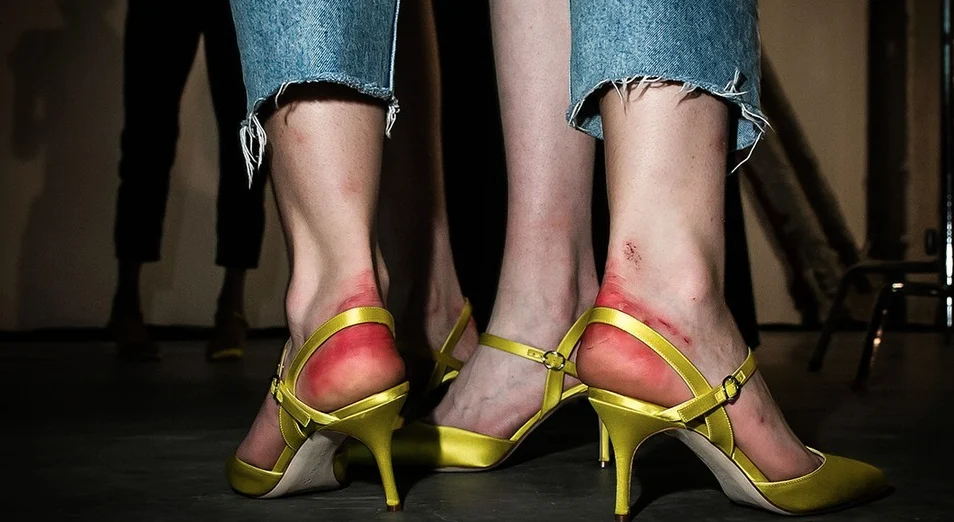
The fashion world was recently gripped by a powerful image captured by photographer Dina Litovsky, depicting a model’s visibly inflamed and pained feet, constrained within slingback heels backstage at a fashion week event. This raw, unfiltered moment, shared widely across platforms including National Geographic and numerous influential Instagram accounts, quickly amassed over 500,000 likes and a torrent of comments. The overwhelming sentiment among viewers was a sharp critique of an industry perceived to prioritize an aesthetic ideal over the physical well-being of its human canvases. This incident is not an isolated one; it echoes a decade-long conversation within the industry, tracing back to similar viral images from Louis Vuitton’s 2012 Paris show, where models’ battered and bruised feet also circulated, exposing the hidden toll of the runway. These recurring visual protests serve as poignant reminders of a systemic issue, prompting a deeper examination of professional norms, societal beauty standards, and the often-unseen sacrifices demanded in the pursuit of sartorial perfection.
A Recurring Narrative: The Physical Toll on the Runway
The latest viral image by Litovsky, disseminated across social media, brought the often-glamorous façade of high fashion face-to-face with a stark reality: the physical discomfort and potential injury inherent in some runway presentations. The photo, a candid capture from backstage, offered an unflinching look at the visible signs of strain on a model’s feet, a direct consequence of wearing avant-garde or structurally challenging footwear for extended periods. The ensuing public outcry highlighted a growing impatience with the traditional "beauty is pain" mantra, particularly when it translates into tangible harm for those at the heart of the industry’s spectacle.
This recent incident powerfully resonates with past controversies. In October 2011, following the exhaustive circuit of Fashion Weeks in New York, London, Milan, and Paris, a series of photographs depicting models’ swollen, bruised, and blistered feet from the Louis Vuitton Spring/Summer 2012 show also went viral. These images, published by various media outlets, detailed the visible damage caused by hours spent walking in towering, often ill-fitting, or geometrically challenging heels. The shoes in question, designed to complement Marc Jacobs’ whimsical collection, were undeniably striking, yet their impracticality exacted a clear physical price. The public’s reaction then, much like today, was a mix of shock, sympathy, and condemnation, questioning the ethical boundaries of artistic expression in fashion design. These repeated occurrences suggest a persistent challenge within the industry regarding the balance between innovative design and model welfare.
The Precarious Agency of Models in a High-Stakes Industry
Within the high-octane world of fashion, models often find themselves in a precarious position, navigating intense pressure to conform to exacting professional standards. While instances exist where models, notably high-status figures like Naomi Campbell or Lindsey Wixson, have reportedly refused to wear particularly outrageous or painful shoes, such defiance comes with inherent risks. For models with less established careers or lower industry prestige, refusal can lead to being labeled "unprofessional," potentially jeopardizing future bookings and career advancement. This dynamic underscores a significant power imbalance, where the pursuit of an immaculate runway presentation can overshadow the physical well-being of the individual.
The industry, historically, has lauded models for their ability to endure physically demanding conditions. Long shoots, uncomfortable poses—sometimes overtly contortionist, as seen in campaigns for Stella McCartney or Loewe—and the stoic presentation of garments are often subtly or overtly praised as hallmarks of professionalism. However, this definition of professionalism, measured by a willingness to tolerate pain or discomfort, exposes a toxic undercurrent within the industry. It transforms resilience into a mandate for self-sacrifice, where a model’s intrinsic value and capabilities become inextricably linked to their appearance and endurance. Phrases like "beauty is pain" and "look good, feel good," while seemingly benign, serve to rationalize and normalize physical discomfort in the name of aesthetic perfection. On the catwalk, this erosion of agency means models frequently pay a "price of pain" to uphold and maintain an idealized professional image, often without adequate compensation or support for the physical and mental toll.
Beyond the Runway: Shoes as Symbols of Empowerment and Oppression
The high heels and avant-garde footwear seen on runways are more than mere accessories; they are potent symbols teetering between notions of empowerment and oppression. Models, as "aesthetic laborers," embody cultural ideals related to gender, race, class, and sexual identity, effectively commodifying their personhood to present these ideals to the world. The high fashion industry, with its aura of exclusivity and idealism, often demands dogged yet isolating work conditions from its models. These viral images, while "serving looks" in the colloquial sense, also serve as stark reminders of the pervasive social expectations of beauty that are deeply entrenched in cultural standards shaped by power, race, and status.
Sociologist Ashley Mears, in her ethnographic study Pricing Beauty, meticulously dissects how these industry ideals become prescriptive, shaping broader cultural expectations of how individuals, particularly women, should look and present themselves. Historically, high heels have been a complex symbol. Originating in 10th-century Persia for male cavalry riders to secure their feet in stirrups, they later found their way to European aristocracy, signifying status and wealth. By the 18th century, they became predominantly associated with women, evolving into a hallmark of femininity, often at the expense of comfort and mobility. This historical context underscores how footwear can transcend mere functionality, becoming a powerful signifier of social roles and expectations.
The modern high fashion shoe, often architecturally daring and physically challenging, continues this tradition. Designers push boundaries, creating footwear that is as much a sculptural statement as it is an item of clothing. This artistic pursuit, however, often clashes with the practical realities of human anatomy. The extreme angles, narrow toe boxes, and towering heights of many runway shoes can lead to a litany of foot problems, including bunions, hammertoes, nerve damage, and chronic pain. The medical implications are significant, highlighting a disconnect between design ambition and human physiology. Yet, these designs persist, driven by an industry that values innovation and spectacle, often overlooking the welfare of those who must wear them.
The Broader Societal Echo: From Catwalk to Consumer
The struggles witnessed on the fashion runway are not confined to the exclusive world of haute couture; they reverberate into the everyday lives of consumers, shaping pervasive societal norms around beauty, self-worth, and "self-optimization." Jia Tolentino, in her incisive essay "Always Be Optimizing," brilliantly connects the themes of pain and suffering to the contemporary pursuit of self-optimization. Drawing on her experiences and research into intense Pilates and barre workouts, Tolentino argues that traditional, often gendered, beauty ideals have subtly morphed into an incessant quest for "optimization," effectively cloaking oppressive cultural beauty standards in the guise of personal improvement.
In this cultural landscape, painful practices—whether it’s enduring extreme workouts, undergoing cosmetic procedures, or wearing uncomfortable attire like high heels or restrictive shapewear—are frequently rebranded as acts of "self-care." The narrative shifts from conforming to an external ideal to "sweating it out" for a "toned and sculpted body," or "choosing" to enhance one’s "womanly figure." The critical element here is the illusion of agency: the idea that individuals are freely choosing to "optimize" themselves for their own benefit, rather than responding to deep-seated societal pressures. This clever reframing allows the cultural expectations embodied in "look good, feel good" and "beauty is pain" to justify the aches, pains, and financial costs associated with these pursuits.
For the everyday consumer, particularly women, this translates into a constant internal and external pressure to meet an ever-evolving ideal. The beauty industry, a multi-billion dollar global enterprise, thrives on this culture of optimization, offering an endless array of products and services designed to "fix" perceived flaws or enhance desirable traits. From anti-aging creams to diet supplements, from gym memberships to plastic surgery, the market continually reinforces the notion that one’s appearance is a project requiring constant effort and investment. The social media landscape further amplifies this, with curated feeds showcasing seemingly perfect lives and bodies, fostering comparison and the relentless pursuit of an often-unattainable aesthetic.
Shoes, in particular, serve as powerful vehicles for these gendered cultural and societal expectations. High heels, despite their known physical drawbacks, remain a symbol of elegance, power, and femininity in many contexts. Women are often praised for their ability to navigate them gracefully, tacitly reinforcing the idea that beauty requires sacrifice. This cultural conditioning starts early, with young girls often introduced to the allure of heels and the concept that looking "beautiful" might involve a degree of discomfort. The continuous cycle of pain and justification underscores a deeper societal issue: how deeply ingrained beauty standards can compromise physical health and psychological well-being, both on the exclusive runways of fashion weeks and in the mundane realities of daily life.
Towards a More Humane Fashion Future
The repeated emergence of images showcasing models’ physical distress serves as a critical inflection point, forcing the fashion industry and society at large to confront uncomfortable truths. While artistic expression and innovation are vital to fashion, the human cost associated with extreme aesthetics demands re-evaluation. Organizations like the Model Alliance have long advocated for better working conditions, fair compensation, and health protections for models, highlighting the need for systemic changes beyond individual designers. Their efforts underscore the importance of collective action and policy implementation to safeguard the well-being of models, who are often freelancers with limited bargaining power.
The implications of these discussions extend beyond the models themselves, touching upon the broader ethical responsibilities of an industry that wields immense cultural influence. As consumers become more discerning and socially conscious, there is a growing demand for transparency and ethical practices across the supply chain, including the treatment of human labor within the industry’s creative processes. This shift in consumer values could, in turn, pressure designers and brands to prioritize comfort, health, and practicality alongside aesthetics.
Ultimately, the viral photos of pained feet are not just about shoes; they are about power dynamics, unrealistic expectations, and the persistent societal narrative that links beauty to suffering. They invite a crucial dialogue about what we collectively value: fleeting aesthetic ideals or the fundamental well-being of individuals. As the fashion world continues to evolve, these poignant images stand as enduring reminders that true beauty should never come at the expense of human dignity and health. The hope is that these recurring moments of public scrutiny will eventually lead to a more compassionate, equitable, and sustainable definition of glamour, one that truly reflects the spirit of progress and respect for all who contribute to its artistry.