Nila Kartika Wati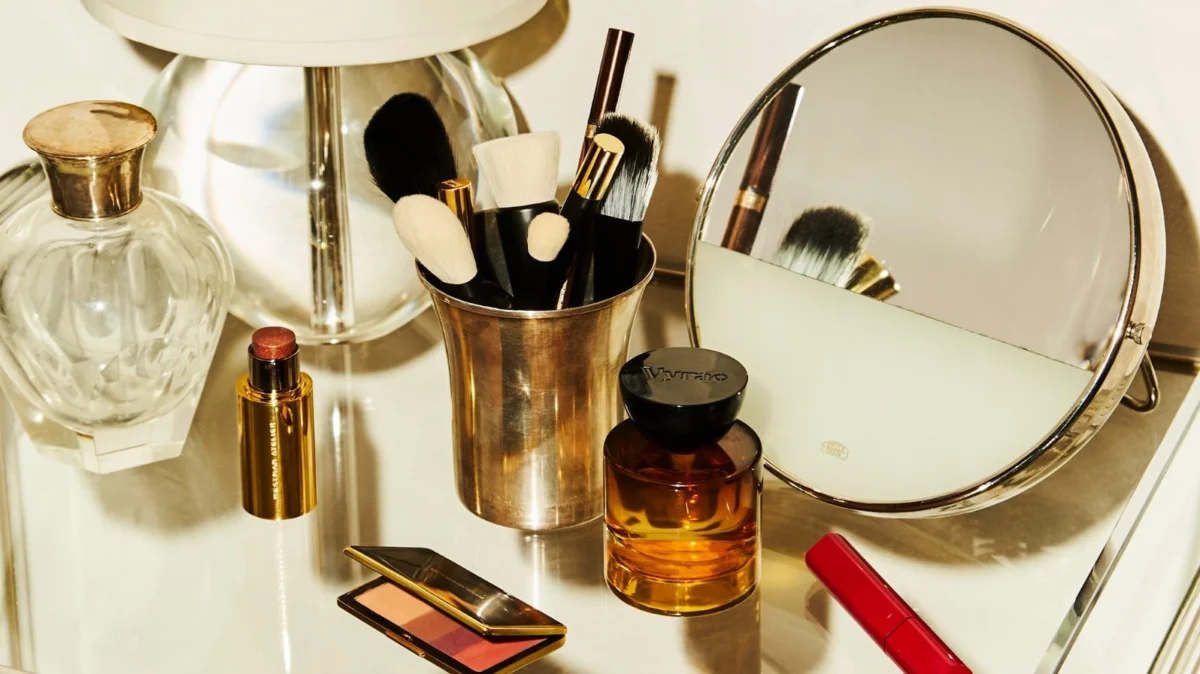
The landscape of high-end beauty is undergoing a profound transformation, shifting from traditional product comparisons to a broader competition against the entire spectrum of luxury experiences. Brands meticulously cultivating their appeal to ultra-high-net-worth individuals (UHNWIs) are no longer solely vying for shelf space at elite retailers; they are now in direct competition with exclusive travel destinations, bespoke artisanal creations, and cutting-edge aesthetic medical procedures. This evolution signifies a fundamental redefinition of value and aspiration within the luxury consumer market, where beauty products are increasingly positioned not as consumables, but as integral components of an elevated lifestyle.
This paradigm shift is not a sudden development but rather an acceleration of trends that have been simmering for years. As the global wealth gap widens and the number of UHNWIs continues to climb, their consumption patterns have become increasingly sophisticated and experiential. These individuals are no longer satisfied with mere material possessions; they seek out experiences that offer exclusivity, unparalleled quality, and a tangible enhancement of their well-being and social standing. For beauty brands targeting this demographic, this necessitates a strategic pivot from product-centric marketing to a holistic approach that emphasizes the aspirational lifestyle, the intrinsic value of rare ingredients, and the discreet yet powerful impact on personal presentation and confidence.
The data supporting this trend is compelling. According to the Knight Frank Wealth Report 2023, the number of UHNWIs globally is projected to increase by 27% over the next five years, reaching over 665,000 individuals. This burgeoning demographic possesses significant discretionary income, with a substantial portion allocated to luxury goods and services. While the exact expenditure on beauty within this segment is difficult to isolate, industry analysts observe a growing willingness among UHNWIs to invest in premium skincare, niche fragrances, and bespoke cosmetic treatments that offer perceived long-term benefits or unique sensorial experiences. The market for ultra-luxury beauty, often characterized by price points exceeding $500 for a single product and featuring rare ingredients or personalized formulations, is estimated to be a rapidly growing sub-segment of the overall global beauty market, which itself is valued at hundreds of billions of dollars.
Consider the case of a weekend retreat to Amangiri, a luxury resort in Utah renowned for its minimalist architecture, breathtaking desert landscapes, and unparalleled service. This experience, often costing tens of thousands of dollars, offers guests a profound sense of escape, rejuvenation, and exclusivity. Similarly, a consultation and subsequent procedure with a top-tier plastic surgeon, which can run into significant figures, promises a direct and measurable enhancement of physical appearance and self-esteem. In this context, a high-performance serum, a rare extrait de parfum, or a meticulously crafted makeup palette must offer a comparable, albeit different, form of value. This value is derived not just from its efficacy but from its association with prestige, heritage, craftsmanship, and the promise of a transformative personal experience.
The rise of direct-to-consumer (DTC) ultra-luxury beauty brands has been instrumental in facilitating this competitive shift. Companies like Violet Grey, which curates a selection of high-end beauty products and positions itself as an arbiter of taste and quality, exemplify this new breed of retailer. Their focus on rigorous product vetting, sophisticated editorial content, and personalized customer service creates an environment that resonates with discerning UHNWIs. These brands often eschew traditional mass-market advertising, opting instead for influencer collaborations with individuals who embody their target demographic’s aspirations, strategic partnerships with luxury hotels or spas, and exclusive events that foster a sense of community and belonging.
The strategy employed by these brands is multifaceted. Firstly, they emphasize the provenance and rarity of their ingredients. This could involve sourcing unique botanicals from remote regions, utilizing advanced biotechnological innovations, or employing traditional artisanal methods passed down through generations. The narrative surrounding these ingredients – their ethical sourcing, their potent properties, and their exclusivity – becomes as crucial as the final product itself. For instance, a skincare line featuring saffron harvested from a specific, protected region of Kashmir, or a fragrance built around an exceptionally rare oud from a sustainable forest in Southeast Asia, immediately elevates the product beyond the ordinary.
Secondly, the packaging and presentation are paramount. For UHNWIs, the unboxing experience is an extension of the product’s luxury. This involves exquisite materials, meticulous craftsmanship, and a sense of anticipation and delight. Think of bespoke leather cases, hand-blown glass bottles, or intricate, engraved metal accents. The aesthetic of the packaging must communicate not just opulence but also a deep understanding of design and artistry, mirroring the craftsmanship found in high jewelry or haute couture.
Thirdly, the customer service experience must be impeccable and highly personalized. This extends beyond a simple transaction. It involves understanding individual skin concerns, scent preferences, or makeup artistry needs. It might include private consultations, access to exclusive product previews, or personalized recommendations based on a deep understanding of the client’s lifestyle and preferences. The goal is to create a relationship, not just a sale, fostering loyalty and advocacy within a discerning clientele. This is where beauty brands can directly compete with the personalized attention offered by luxury travel concierges or private wealth managers.
The implications of this evolving competitive landscape are significant for the broader beauty industry. For established luxury brands, it necessitates a continuous re-evaluation of their product development, marketing strategies, and customer engagement models. They must ensure their offerings remain relevant and compelling in an environment where consumer expectations are constantly being elevated by the broader luxury sector. This might involve investing in more sustainable and ethically sourced ingredients, enhancing the experiential aspects of their retail environments, or developing more sophisticated digital personalization tools.
For emerging brands, it presents an opportunity to carve out a niche by focusing on hyper-specialization and an unwavering commitment to quality and exclusivity. However, it also requires a substantial investment in brand building, marketing, and supply chain management to meet the rigorous demands of the UHNWI market. The barriers to entry are high, but the potential rewards are substantial for those who can successfully navigate this complex and competitive arena.
The competition against luxury experiences also highlights a deeper psychological shift in consumer behavior. For the very wealthy, beauty is no longer solely about vanity; it is about self-care, well-being, and the cultivation of a refined personal brand. The pursuit of youthfulness and vitality is intertwined with the desire for a life of quality and distinction. Therefore, beauty products that can effectively communicate their contribution to this holistic pursuit – offering not just superficial enhancement but a sense of ritual, indulgence, and scientifically backed rejuvenation – will be the most successful.
In conclusion, the ultra-luxury beauty market is no longer a contained ecosystem. It is a dynamic and increasingly competitive space where brands must understand their place within the broader luxury hierarchy. By focusing on rare ingredients, exquisite craftsmanship, personalized experiences, and compelling narratives, beauty brands can position themselves not merely as purveyors of cosmetics, but as integral partners in the aspirational lifestyles of the world’s most affluent consumers, effectively competing with the most coveted experiences and possessions available.