Ana Megawati
A significant and expanding number of public houses across the United Kingdom are instituting policies to restrict or outright ban children from their premises, a trend driven by a confluence of factors including escalating safety concerns, a desire to cultivate specific atmospheres, and perceived impacts on trade. This evolving landscape has ignited a nationwide discussion among patrons, landlords, and industry stakeholders regarding the appropriate role of children within these traditionally adult-centric establishments. While many voices express support for dedicated adult-only spaces, a substantial portion of the public indicates their stance could soften if parental supervision of children were consistently improved. Conversely, a vocal contingent remains firm in their conviction that pubs, by their very nature, should remain open and welcoming to all age groups.
Historical Context and the Evolving Role of the British Pub
The British pub, or "public house," has historically served as a cornerstone of community life, a place where people of all ages, from families to solitary drinkers, gathered to socialise, conduct business, and find camaraderie. For centuries, pubs were extensions of the home, integral to the social fabric of villages and towns. Children were often present, particularly in rural settings or during daytime hours, reflecting a more fluid separation between public and private life.
However, the late 20th and early 21st centuries saw a significant transformation in pub culture. A decline in traditional ‘wet-led’ (drink-focused) pubs, coupled with the rise of the gastropub model and a broader cultural shift towards dining out, encouraged many establishments to actively court families. Offering extensive food menus, high chairs, and even dedicated play areas became a strategy to attract a wider demographic and ensure commercial viability in a challenging economic climate. This period saw pubs increasingly marketing themselves as family-friendly destinations, particularly during daytime and early evening hours, blurring the lines between a traditional drinking establishment and a restaurant.
The current debate signals a potential recalibration, as some pubs now seek to redefine their identity, moving away from an all-encompassing family model towards a more specific adult-oriented experience. This shift is not entirely unprecedented; historically, certain types of pubs (e.g., city centre boozers, late-night venues) have always implicitly or explicitly catered to an adult clientele. The current discussion, however, reflects a more widespread re-evaluation across a broader spectrum of establishments, from local village inns to urban taverns.
Drivers Behind the Restrictions: Safety, Atmosphere, and Trade
Landlords cite several key reasons for implementing child restrictions. Safety concerns are frequently highlighted, particularly in busy venues where staff are navigating with hot food and drinks. The risk of accidents involving unsupervised children running or playing, coupled with the potential for breakages and associated hazards, is a tangible worry for operators.
The desire to manage the atmosphere of the establishment is another primary driver. Many adult patrons seek pubs as havens for quiet conversation, relaxation, or focused socialising without the potential distractions of children. Landlords report receiving feedback from customers who feel that the presence of unsupervised or boisterous children detracts from their experience, leading to a decline in repeat business from this segment.

Lost trade is a significant economic factor. While attracting families can boost food sales, some landlords argue that the presence of children, especially during peak evening hours, deters other profitable customer groups, such as couples seeking a date night, groups of friends meeting for drinks, or business colleagues unwinding after work. Furthermore, the operational costs associated with maintaining a family-friendly environment (e.g., additional cleaning, child-friendly facilities) might not always be offset by the revenue generated. A 2023 survey by the British Beer and Pub Association (BBPA) indicated that 35% of pub operators reported a measurable decrease in evening adult trade when families with young children were present during those hours.
Diverse Public Opinion: A Spectrum of Views
The public response to these evolving policies is multifaceted, reflecting differing societal expectations about shared public spaces and parental responsibilities.
Advocates for Adult-Only Sanctuaries:
Many individuals express strong support for pubs that choose to be child-free. Sean, a 58-year-old from Worthing, embodies this perspective. While cherishing his own fatherhood, he values pubs as spaces for adult company and relaxation. "Parents today have so many options for family entertainment," Sean observes, "Why spoil it for everyone else? My problem is when they’re not supervised: some parents treat it like a creche." He recounts instances of children causing disruption, such as "knocking glasses over with footballs and riding scooters up and down the pub," and the difficulty of addressing parents without sparking an argument. Sean believes that while pubs have adapted to cater to families, they risk "ignoring their traditional clientele." His sentiment is echoed by others who seek a specific kind of pub experience, one that prioritises adult conversation and a tranquil environment.
Isobel, 40, from London, shares a similar viewpoint, advocating for children’s presence in pubs "within certain parameters and at certain times." She finds family meals like Sunday lunch acceptable but suggests a cut-off time, such as 7pm, for young children. Isobel, despite not having children herself and enjoying outings with nieces and nephews, argues that pubs are "principally adult spaces." She challenges the notion that reservations about children in pubs indicate a broader societal antipathy towards them, asserting, "Our society is considerably more accommodating of children now than it has ever been… We are also not talking about public spaces in general, but specifically pubs." Her point highlights the distinction between general public spaces and venues with a specific traditional function and atmosphere. She also suggests that if children require screens for entertainment, headphones should be used, a courtesy she extends to adults as well.
Champions of Inclusive Community Hubs:
Conversely, a significant portion of the public believes pubs should remain open to everyone, viewing them as vital community assets. Phil Smith from Reading, whose teenage children have regularly joined him at pubs since they were young, champions this inclusive model. He finds "nothing better than a weekend where there is a proper mix of people of all ages in the pub," noting that it fosters a "lively" and "friendlier" atmosphere. Phil suggests that the presence of children and even dogs can act as social catalysts, facilitating interaction among adults. He believes pubs offer valuable opportunities for children to learn social behaviour, citing "little things like manners, saying hello to people, having a little conversation, taking your glass back to the bar and saying thank you." For Phil, pubs are fundamentally "community spaces" where families can gather and children can learn to interact with a wider range of people.
William, a 40-year-old English teacher and father of two from Tunbridge Wells, strongly advocates for welcoming children in pubs. He defines pubs as "public houses" that "should reflect the values of a home: welcome to all, warm, a place for discussion, community and bonding." William raises a crucial socio-economic point, arguing that "barring an element from the community is the opposite and, due to social attitudes not quite aligning yet, primary caregivers are still mostly women, so banning children is sexist as it is often also restricting women." This perspective highlights potential implications for gender equality and parental access to social spaces. He takes his young children to pubs to expose them to a wider range of people and social interactions, reinforcing the idea of pubs as "great equalisers."
The Middle Ground: Conditional Acceptance and Parental Responsibility:
A substantial number of respondents occupy a middle ground, expressing willingness to accept children in pubs provided they are "properly supervised by parents." Clare, an architect and mother of three from Newcastle, exemplifies this stance. She enjoys taking her children to pubs that offer food, children’s menus, and activities, especially during winter afternoons. However, Clare stresses the importance of strict behavioural expectations: "We tell them you have to sit down. There’s no running around. It’s just not fair on staff. They are carrying plates of hot food and drinks." She actively manages her children’s engagement, bringing activities like play-dough or allowing tablet use with sound off. Clare acknowledges that sometimes "they don’t want to sit still and you end up just having to abort," demonstrating a realistic approach to managing children in public. She also suggests a compromise for those seeking quiet, adult-only experiences: "If people want to go out for a quiet drink and not be around children, then they can go later in the day."
Broader Implications and Industry Responses
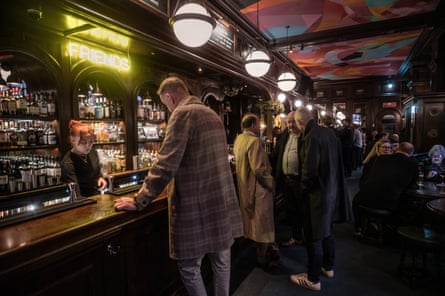
The debate over children in pubs has wider societal and economic implications. From an economic perspective, pubs face a delicate balancing act. Data from industry bodies like UKHospitality indicates that the average pub’s profit margins are tighter than ever, necessitating careful strategic decisions about target demographics. A survey conducted by the Campaign for Real Ale (CAMRA) in 2024 revealed that while 60% of their members believe pubs should be family-friendly, 40% felt that adult-only spaces were essential for preserving a traditional pub atmosphere. This internal division within a key advocacy group underscores the complexity of the issue.
The trend towards adult-only pubs could lead to further segmentation of the market. We might see an increase in clearly defined ‘family pubs’ with extensive amenities for children, alongside a growing number of ‘adult-only’ establishments catering specifically to those seeking a child-free environment. This segmentation could allow pubs to more effectively target their desired clientele, potentially improving profitability by meeting specific customer expectations more precisely.
However, critics argue that this segmentation could further erode the traditional role of the pub as a genuinely inclusive community hub, potentially alienating families and limiting social interaction across generations. Licensing laws in the UK permit children under 16 to be in licensed premises if accompanied by an adult, provided they are consuming a table meal or the premises primarily serve food. Children are generally not permitted at the bar area. The discretion to impose stricter bans lies with individual landlords, often guided by their premises license. There is no national legislation mandating pubs to be either child-friendly or child-free, allowing for a diverse approach across the sector.
The debate also touches upon broader questions of public civility and parental responsibility. The sentiment that children are only unwelcome when "unsupervised" suggests a shared desire for respectful behaviour in public spaces, regardless of age. If parents are seen as actively managing their children’s conduct, much of the friction appears to dissipate.
The Way Forward: A Search for Balance
As the hospitality sector continues to evolve, the discussion around children in pubs is unlikely to subside. Instead, it highlights a fundamental tension between the desire for inclusive community spaces and the demand for dedicated adult environments. The future may see pubs becoming more explicit about their chosen demographic, clearly marketing themselves as either family-friendly or adult-only, allowing patrons to make informed choices. This transparency could reduce friction and cater more effectively to the diverse needs and preferences of the modern British public.
Ultimately, the challenge for the UK pub industry, a sector deeply embedded in the nation’s cultural identity, will be to navigate these evolving societal expectations while ensuring commercial viability and preserving the unique character that makes British pubs so cherished. Whether through clear segmentation, improved public understanding of expectations, or a renewed emphasis on parental accountability, finding a sustainable balance will be key to the ongoing success and relevance of the beloved local pub.