Layla Zulfa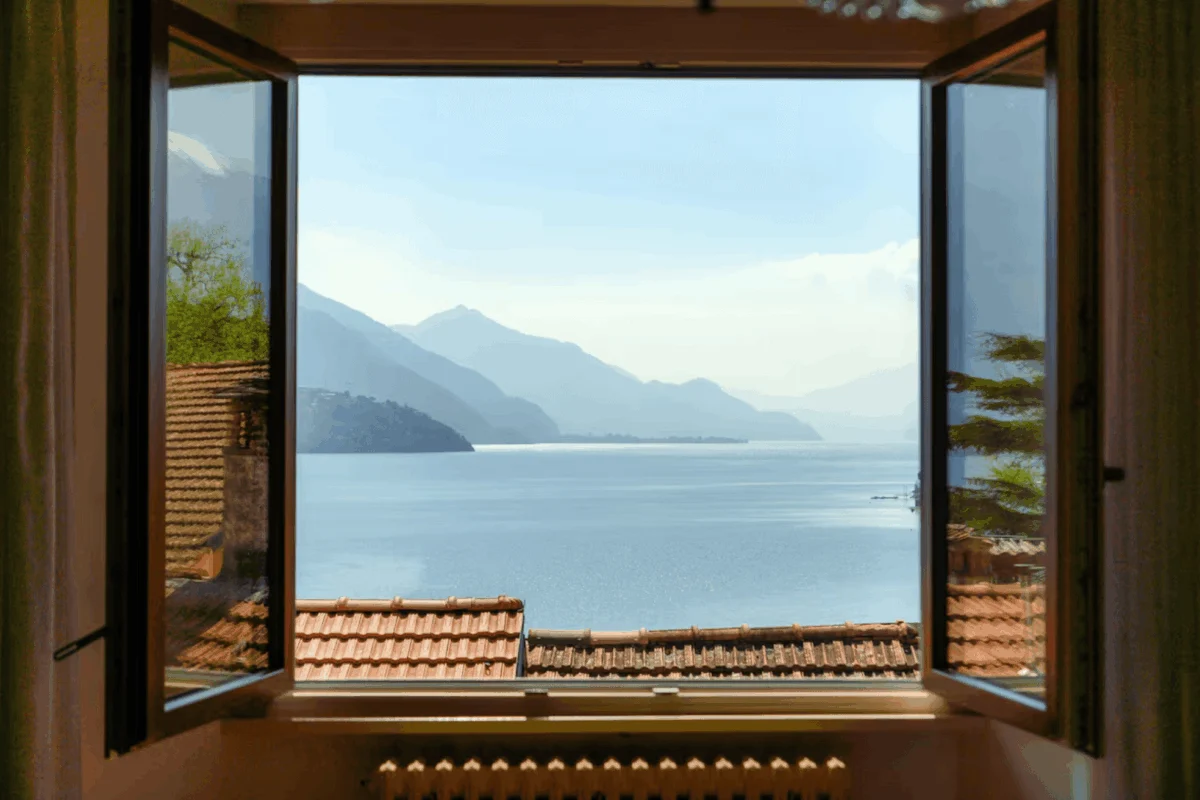
The global luxury travel sector has witnessed a significant transformation in the Lake Como region of Northern Italy, where a surge in demand for high-end vacation rentals is reshaping the traditional hospitality model. Long celebrated for its Belle Époque grand hotels and aristocratic villas, the area is currently experiencing a capacity crunch as international arrivals reach record levels. This shift has propelled the growth of the short-term rental market, with discerning travelers increasingly bypassing established institutions in favor of private residences that offer a blend of historical authenticity and modern exclusivity. As the "Golden Triangle" of Bellagio, Menaggio, and Varenna becomes saturated, secondary villages such as Limonta, Argegno, and Carate Urio are emerging as key nodes for high-yield property investments and luxury tourism.
The Economic Paradigm of Lake Como Tourism
Data from the Lombardy Regional Tourism Board indicates that international overnight stays in the Como province have grown by nearly 20% over the last three years, far outstripping the capacity of the region’s historical hotel stock. This imbalance has created a lucrative environment for the premium vacation rental market. While iconic hotels like the Villa d’Este and Grand Hotel Tremezzo remain symbols of local prestige, they are frequently booked months, if not years, in advance. Consequently, the private rental sector has stepped in to accommodate a demographic that seeks the "la dolce vita" experience without the constraints of traditional hotel environments.
Market analysis suggests that the "George Clooney effect"—a phenomenon referring to the surge in global interest following the actor’s purchase of Villa Oleandra in 2002—has evolved into a permanent structural demand. Real estate values along the lake’s 160-kilometer perimeter have remained resilient, with a specific focus on properties that offer direct lake access or historical significance. The emergence of managed luxury rentals, which often include concierge services and private chefs, has blurred the line between residential living and high-end hospitality.
A Chronology of Architectural Adaptation
The current inventory of luxury rentals in Lake Como represents a chronological spectrum of Italian architecture, ranging from 13th-century fortifications to 21st-century minimalist chalets. This diversity allows the market to cater to various aesthetic preferences while preserving the region’s cultural heritage.
In the 1800s, the lake became a mandatory stop on the "Grand Tour" for European elites, leading to the construction of opulent neoclassical villas. Many of these structures have since been partitioned into high-end apartments. For example, Villa Emma in Argegno serves as a case study in historical preservation. As a 19th-century villa located directly on a lakeside piazza, it retains original wall frescoes, muraled ceilings, and Murano glass chandeliers. Such properties allow contemporary travelers to experience the aesthetic of the Italian Risorgimento while benefiting from modern infrastructure.
Further back in the timeline, the 13th-century Villa Giuditta Pasta in Torno illustrates the endurance of medieval stone architecture. Named after the celebrated 19th-century soprano who once owned it, the property features soaring stone arches and curved ceilings that evoke an ancient grotto. The preservation of these elements, combined with the integration of dedicated workspaces and high-speed internet, reflects the "work-from-anywhere" trend that has permeated the luxury travel market.
Analyzing the High-Yield Rental Market: From Bellagio to Colico
The financial performance of Lake Como rentals is highly dependent on location and amenity sets. At the apex of the market is the Breakwater Villa in Bellagio. Commanding rates starting at $7,433 per night, this property exemplifies the ultra-luxury segment. With seven en-suite bedrooms, an infinity pool, and a full staff including a chef and concierge, it functions essentially as a private boutique hotel. This tier of the market targets multi-generational families and high-net-worth corporate retreats, providing a level of privacy that traditional hotels cannot match.
In contrast, the mid-to-high-range market is dominated by properties that emphasize "localism." The Lakefront Apartment in Limonta, priced from $287 per night, leverages its position in a smaller, less-congested village to offer a more "authentic" experience. Its design—characterized by orange-and-white striped terrace overhangs and a retro aesthetic—caters to a younger, design-conscious demographic.
The northern end of the lake, particularly near Colico, has seen a rise in contemporary architecture that departs from the traditional Italian villa style. The "Woodhouse by Interhome" is a Scandi-inspired duplex that utilizes bare wood walls and oversized picture windows to create a mountain-chalet atmosphere. At $858 per night, it targets large groups, accommodating up to twelve guests, and signals a diversification of the local architectural vernacular to include modern, minimalist aesthetics.
The Geography of Seclusion: The Rise of Hillside and Stone Dwellings
As the lakefront becomes increasingly crowded, tourism is expanding vertically into the surrounding hills. This expansion is driven by travelers seeking panoramic views and increased privacy. The Rustic Mountain Chalet near Nobiallo, for instance, requires a climb of nearly 170 steps. While this topography presents logistical challenges, the property’s blend of 18th-century stone walls and modern minimalist furnishings—coupled with a $1,263 per night price tag—indicates a high willingness among travelers to pay for seclusion.
Similarly, the Blevio Stone House in the village of Sopravilla offers a retreat within a maze of ancient houses and stairs. Priced more accessibly at $173 per night, it highlights the demand for "romantic" getaways that prioritize historical character, such as original wooden beams and private fenced yards, over direct car access.
In the village of Carate Urio, properties like the House of Roses and the Carate Urio Terrace Apartment demonstrate the viability of the "slow travel" movement. These rentals, ranging from $273 to $377 per night, encourage guests to integrate into the local rhythm, walking to neighborhood restaurants and using the public ferry system rather than private water taxis.
Design Trends: Mid-Century Modernism and Terrazzo Heritage
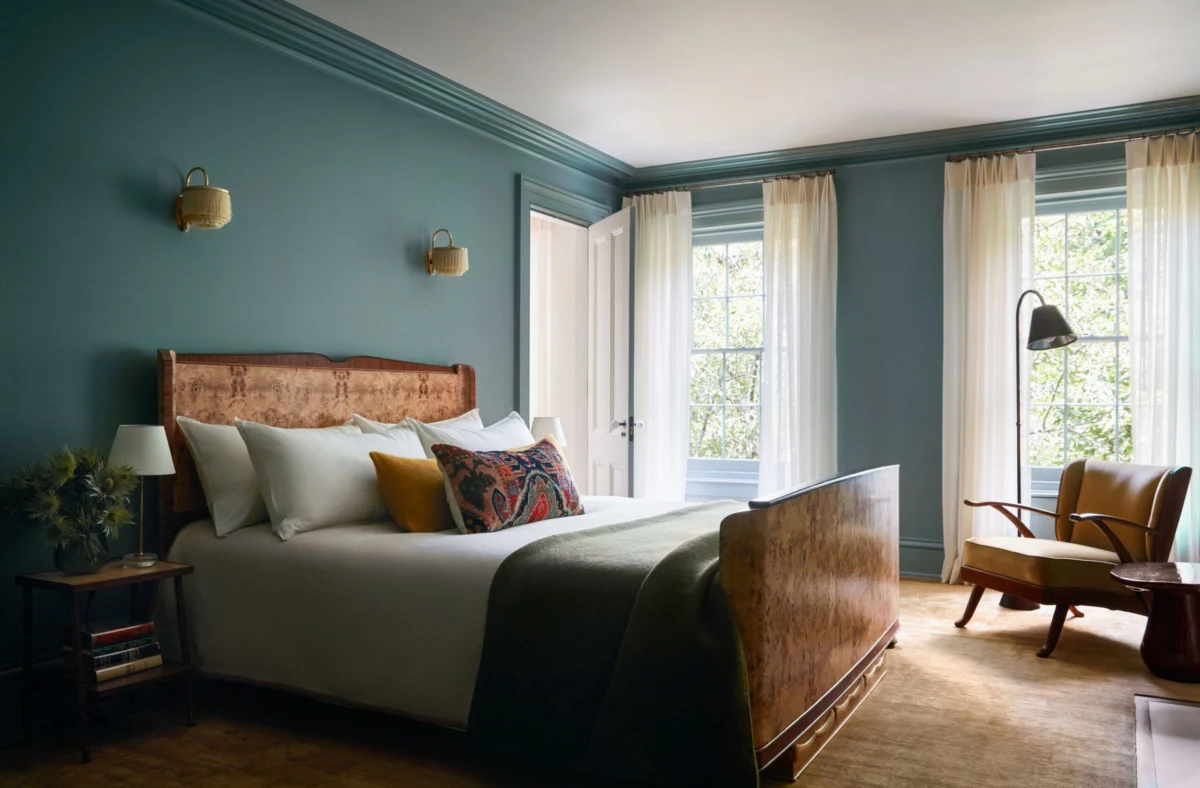
Interior design has become a critical differentiator in the competitive Lake Como rental market. The Riflessi Sul Lago apartment in Gravedona serves as a primary example of the "Mid-century Italian dream." By utilizing vintage terrazzo flooring, coffered ceilings, and clean-line wooden wardrobes, the property appeals to the "Fellini-esque" nostalgia that many international tourists associate with Italian cinema. At $174 per night, it provides a high-design experience that competes directly with mid-range hotels.
This focus on design is not merely aesthetic but functional. Many properties now include "perks" that were once the sole province of hotels: wine fridges, espresso machines, gym equipment, and child-friendly amenities like travel cribs and high chairs. The integration of these features into historical stone houses or 19th-century villas represents a sophisticated fusion of old-world charm and new-world convenience.
Broader Impact and Implications for the Region
The proliferation of high-end vacation rentals has significant implications for the socio-economic fabric of the Lake Como region. On one hand, the influx of high-spending tourists provides a vital revenue stream for local businesses, from lakeside trattorias to private boat tour operators. It also incentivizes the restoration of historical buildings that might otherwise fall into disrepair.
However, the trend also presents challenges. Local residents and municipal leaders have raised concerns regarding the "touristification" of small villages. The conversion of residential stock into short-term rentals can lead to rising housing costs for locals and a strain on infrastructure. In response, some municipalities are exploring regulations to balance the needs of the tourism industry with the preservation of community life.
Furthermore, the environmental impact of increased tourism on the lake’s ecosystem is under scrutiny. The Lombardy region has begun investing in more sustainable transport options, including electric ferries, to mitigate the carbon footprint of the thousands of visitors who traverse the water daily.
Future Outlook for the Lake Como Market
The trajectory of the Lake Como rental market appears set for continued growth, albeit with a shift toward more professionalized management. As travelers become more discerning, the "sharing economy" model is giving way to a "professional hospitality" model within private homes. Properties that offer a unique narrative—whether through historical figures like Giuditta Pasta or through exceptional architectural design—will likely maintain high occupancy rates despite fluctuating global economic conditions.
The success of these Airbnbs suggests that the future of luxury travel in Lake Como lies in the ability to offer a personalized, authentic, and historically grounded experience. As the grand hotels of the 19th century continue to operate at peak capacity, the private villas and stone houses of the 21st century have become the new frontier for la dolce vita, ensuring that the allure of Lake Como remains as potent as ever for the global elite.