Ana Megawati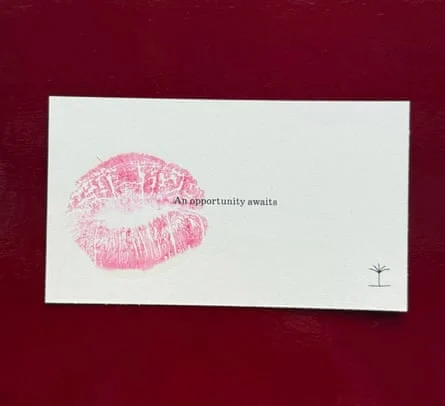
In an era increasingly defined by digital interfaces, a profound shift is underway in the landscape of modern romance. Singles, weary of the perpetual swiping and superficial interactions characteristic of dating applications like Tinder and Bumble, are actively seeking more organic and serendipitous avenues for connection. This burgeoning discontent with algorithm-driven courtship has fueled a renaissance of in-real-life (IRL) dating experiences, from meticulously organized "flirting parties" to specialized "dating-oriented run clubs," all in pursuit of the elusive, romantic "meet-cute." Amidst this cultural recalibration, a Brooklyn-based stationery brand, No Particular Order, has introduced an innovative, yet historically rooted, solution: the "acquaintance card," a tangible instrument designed to foster spontaneous romantic connections and reclaim the charm of real-world interaction.
The Digital Dating Deluge and the Quest for Authenticity
For over a decade, dating applications have dominated the romantic lives of millions, particularly among Millennials and Generation Z. Platforms like Tinder, launched in 2012, democratized access to potential partners, offering an unprecedented volume of choices and the convenience of connection from anywhere. However, the initial allure has gradually given way to widespread fatigue. Studies and anecdotal evidence increasingly point to a phenomenon known as "dating app burnout," characterized by emotional exhaustion, cynicism, and a sense of futility stemming from endless swiping, ghosting, and conversations that rarely translate into meaningful real-life encounters.
Data consistently reveals growing dissatisfaction. A 2023 survey indicated that nearly 70% of dating app users felt overwhelmed or exhausted by the experience, with many citing issues such as misrepresentation, a lack of genuine intent, and the sheer volume of low-quality matches. The gamified nature of these apps, prioritizing quantity over quality, has inadvertently commodified human connection, fostering a transactional approach to relationships that often leaves users feeling disposable. This sentiment has prompted a significant demographic, particularly younger generations who grew up with these technologies, to actively seek alternatives that promise more authentic and less performative interactions.
A Return to Roots: The Rise of IRL Dating
The disillusionment with digital dating has spurred a tangible movement back to physical spaces and structured social events. Reports from early 2024 and 2025 indicated a notable surge in attendance at singles’ events, ranging from curated "flirting parties" designed to teach social cues to more niche gatherings like "dating-oriented run clubs" in major metropolitan areas such as New York. These events cater to a collective yearning for interactions unmediated by screens, where chemistry can be felt in person, and conversations unfold naturally rather than through carefully crafted profiles and delayed messages.

These emerging trends represent a conscious effort to recreate the spontaneity and magic often associated with traditional romance narratives – the "meet-cute" where two individuals encounter each other by chance and feel an instant spark. However, even these organized IRL events, while a step in the right direction, sometimes struggle to replicate true serendipity. Participants often arrive with the explicit intention of finding a partner, which, while efficient, can inadvertently strip away some of the organic charm and pressure-free environment that defines a genuinely accidental encounter. This is where the acquaintance card seeks to bridge the gap, offering a low-pressure, high-potential mechanism for initiating contact in everyday situations.
No Particular Order: Rekindling the Art of the Approach
The concept of acquaintance cards originated from the personal experience and creative vision of Margot Lee, a content creator and founder of the Brooklyn-based stationery brand, No Particular Order. Lee conceived the idea after navigating the complexities of post-long-term relationship dating, expressing a strong aversion to the obligatory dive back into the dating app ecosystem. "I really did not want to do that," Lee stated, articulating a sentiment shared by many. Her desire was to connect with people through the "happenstance of being at the same place at the same time," embracing the unexpected joys of everyday encounters.
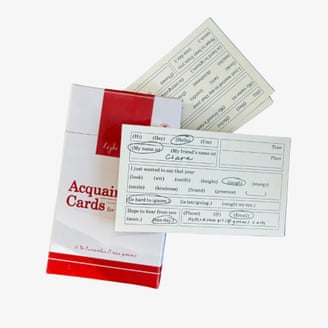
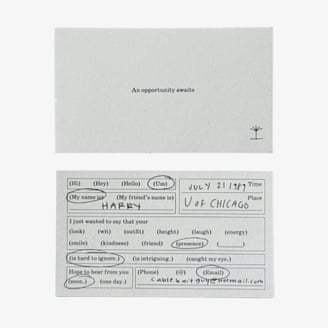
Launched in early 2026, No Particular Order’s acquaintance cards are designed to facilitate these spontaneous connections. They resemble elegant business cards but serve a distinctly romantic purpose. Instead of professional contact details, they provide a playful, structured way to express interest and invite further communication. Each card offers customizable prompts, allowing the user to select a greeting ("hey" or a shyer "um"), a specific compliment from a list of ten options (e.g., "your smile," "your outfit," "your energy," or a blank space for a personalized note), and a timeframe for a potential response ("soon" or "someday"). Crucially, the card includes space for the giver’s contact information, typically a social media handle or phone number, enabling the recipient to reach out if interested. The price point of $22 for a pack positions them as an accessible yet thoughtful tool for modern singles.
Echoes of the Past: Victorian Flirtation Cards
Lee’s inspiration for the acquaintance cards draws directly from a fascinating historical precedent: the "flirtation cards" popular during the Victorian era. These small, often decorative cards served as a furtive yet formal means for individuals, particularly men, to express interest in public settings. Phrases like "May I see you home?" or "I very much desire to make your acquaintance" provided a socially acceptable script for initiating contact in a society where public interactions between unmarried men and women were often constrained by strict etiquette and the omnipresence of chaperones. These cards offered a polite, discreet way to gauge interest without the potential embarrassment of a direct, verbal rejection in front of others.
No Particular Order’s modern iteration builds upon this legacy, adapting it for contemporary sensibilities. While the Victorian cards were often prescriptive and gender-specific, Lee’s acquaintance cards are designed to be inclusive and adaptable for anyone wishing to make a connection. They maintain the playful spirit and indirectness of their predecessors, allowing for a lighthearted yet clear expression of interest, thereby reducing the awkwardness often associated with cold approaches. The packaging itself, designed to evoke the red and white aesthetic of retro cigarette cases, further reinforces this nostalgic nod to an era before digital dating, an era when social rituals around flirting were more overt and tangible. As Lee notes, "So much of vintage cigarette ads are based on flirting and making a move," highlighting the historical association of such items with social lubrication and romantic overtures.
Viral Success and User Enthusiasm
The acquaintance cards have rapidly captured public imagination, particularly on social media platforms. A TikTok video showcasing the cards in action, posted by Margot Lee, quickly went viral in mid-2026, garnering millions of views and sparking an avalanche of positive reactions. Comments like "bye bye Hinge" and "I just impulsively bought solely bc of this video" flooded the comment sections, illustrating a strong resonance with a demographic deeply entrenched in app culture but yearning for an alternative. This viral success underscores the palpable frustration with existing dating paradigms and the widespread desire for novel, more human-centric approaches.
The anecdotal evidence of the cards’ efficacy is compelling. Lee recounts instances where the cards have successfully facilitated connections, such as a friend’s subway encounter that led to a "really well" received date. The article’s own reviewer, a Gen Z individual primarily familiar with app-based dating, embarked on a personal experiment in downtown Manhattan. Despite initial nervousness, the cards proved their mettle. In a dive bar setting, a friend, acting as an intermediary, handed out cards to a promising group. Within twenty minutes of returning home, a text message arrived: "hey, I got your card." This concrete success story, replicated by countless others sharing their experiences online, demonstrates the cards’ potential to transform fleeting glances into genuine opportunities for connection. Furthermore, the cards offer versatile usage, including the option to fill one out for a friend, transforming users into modern-day Cupids and making them a unique gift idea.
The Deeper Implications: A Shift in Social Dynamics
The emergence and popularity of acquaintance cards signal more than just a passing trend; they suggest a deeper societal yearning for more authentic human interaction and a recalibration of how romantic connections are initiated.
Psychological Impact: Dating experts and psychologists have long highlighted the mental health toll of dating apps. The constant validation-seeking, the fear of missing out (FOMO), and the potential for objectification can negatively impact self-esteem and foster anxiety. Acquaintance cards, by contrast, offer a more direct, yet less confrontational, form of interaction. The act of handing over a card requires a moment of courage and intention, which can be empowering. The recipient, in turn, has the agency to decide whether and when to respond, removing the immediate pressure of an on-the-spot interaction while still acknowledging the initial interest. This shift from instant judgment to considered response can create a more respectful and less anxiety-inducing environment for both parties.
Sociological Shifts: Sociologists observing modern dating trends suggest that the rise of products like acquaintance cards reflects a broader cultural movement towards "digital detox" and a re-emphasis on face-to-face communication. After years of increasing isolation facilitated by technology, there’s a collective desire to reclaim public spaces as arenas for genuine social engagement. The cards encourage individuals to be more present in their surroundings, to observe and appreciate potential connections in their everyday lives, rather than relying solely on curated digital profiles. This could foster a more observant and socially aware populace, subtly encouraging individuals to engage more actively with their environment and the people within it.
Economic and Industry Response: For the dating app industry, the success of acquaintance cards and similar IRL initiatives presents both a challenge and an opportunity. While these physical tools might seem antithetical to digital platforms, they highlight a market demand that apps have struggled to fulfill: genuine, spontaneous connection. Dating app companies may need to innovate by integrating more "IRL" features, partnering with event organizers, or even exploring hybrid models that blend digital convenience with real-world interaction. The growing market for analogue dating aids also indicates a fertile ground for niche businesses catering to the desire for a less commodified approach to romance.
Challenges and the Path Forward
Despite their charm and initial success, acquaintance cards are not without their challenges. The primary hurdle remains the courage required to initiate the exchange. While the card provides a script and a buffer, the act of approaching a stranger and handing them a card still demands a degree of bravery. Rejection, though softened by the indirect nature of the exchange, remains a possibility. Furthermore, the scalability of such a physical product is inherently different from a digital app, meaning it may serve as a valuable complement to, rather than a complete replacement for, existing dating methods.
However, the enduring appeal of the acquaintance card lies in its simplicity and its profound alignment with a fundamental human desire: to be seen, to be appreciated, and to connect authentically. In a world saturated with digital noise, the tangible, thoughtful gesture of an acquaintance card cuts through, offering a refreshing return to the romance of possibility and the timeless allure of a true meet-cute. As singles continue to navigate the complexities of modern love, these cards represent a hopeful step towards rekindling the magic of serendipity, one meaningful, handwritten note at a time.