Reynand Wu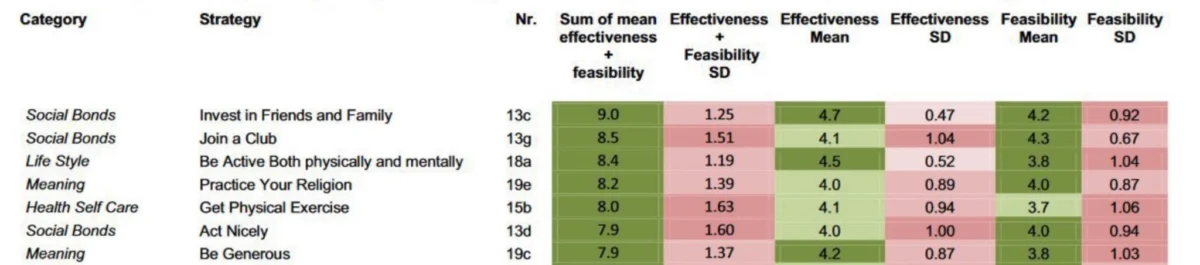
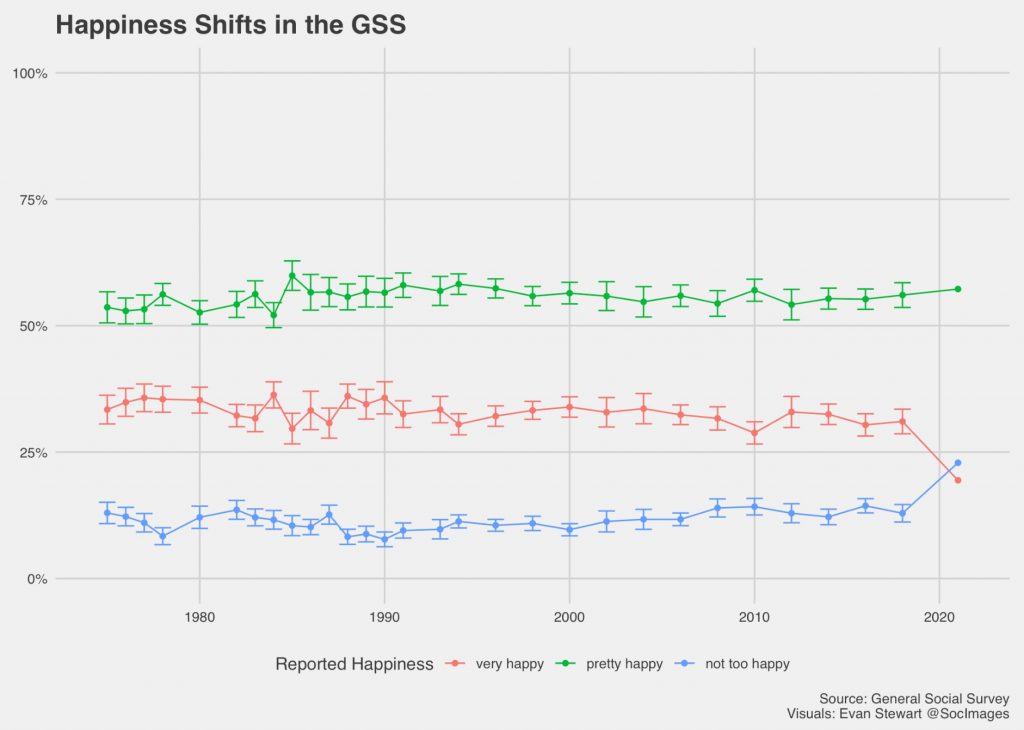
As the new year unfolds, marked by a fresh surge in COVID-19 cases across the nation, a discernible and prolonged dip in collective morale has become increasingly evident. This pervasive sentiment of unease is not merely anecdotal but is substantiated by robust sociological data, highlighting a concerning trend in self-reported happiness that began early in the pandemic and shows no signs of abatement. The latest release of the General Social Survey (GSS) data confirms this trajectory, revealing a sustained decline in the proportion of Americans who describe themselves as "very happy," alongside a corresponding increase in those reporting being "not too happy." This development underscores a critical societal challenge that extends beyond the immediate health crisis, pointing towards deeper implications for public well-being and policy.
The Unfolding Chronology of Diminished Well-being
The initial tremors of declining happiness were first observed in early to mid-2020, mere months into the global COVID-19 pandemic. Surveys conducted during this period, including preliminary pandemic tracking by NORC at the University of Chicago (which administers the GSS), began to flag a significant drop in individuals’ self-assessment of their life satisfaction. This early data provided a stark snapshot of a society grappling with unprecedented uncertainty, fear, economic disruption, and social isolation. The initial optimism that the pandemic might be a temporary disruption quickly gave way to the realization of its enduring impact on daily life, mental health, and social structures.
By 2021, as the pandemic continued to evolve with new variants, vaccine rollouts, and varying degrees of public health measures, the expectation for a rebound in happiness proved largely unfounded. Instead, the newly released GSS data for 2021 further solidified the negative trend. While the GSS has a long history of tracking societal attitudes, the 2021 data is particularly noteworthy as it reflects a period where many hoped for a return to normalcy. The continued downturn suggests that the psychological and social ramifications of the pandemic have become deeply entrenched, evolving from acute stress reactions to chronic societal malaise. The timing of this data release, coinciding with a new peak in COVID-19 infections, likely exacerbates these feelings, reinforcing a cyclical pattern of hope and disappointment.
A methodological note concerning the GSS data warrants consideration. The 2021 survey saw a shift in administration methods, moving partially online, which could introduce some variability compared to previous, predominantly in-person surveys. However, researchers have carefully analyzed this potential confounder, and the consistency of the observed pattern with NORC’s earlier pandemic tracking surveys suggests that the happiness decline is a genuine societal phenomenon rather than merely an artifact of survey methodology. This reinforces the urgency of understanding the underlying causes and potential solutions to this widespread decline in well-being.
Deeper Dive into Supporting Data and Trends
The General Social Survey, a benchmark sociological study conducted by NORC at the University of Chicago since 1972, is instrumental in tracking long-term trends in American society. Its findings on happiness are particularly salient, as they offer a historical perspective on national well-being. Prior to the pandemic, while fluctuations occurred, the overall levels of self-reported happiness had remained relatively stable over decades. The recent, sustained drop thus represents a significant deviation from historical norms, signaling a profound shift in the collective psyche.
Beyond the GSS, other indicators corroborate this concerning trend. The World Happiness Report, an annual publication that ranks countries by their happiness levels, has consistently highlighted the detrimental effects of the pandemic on global well-being, even as some countries have demonstrated resilience. Mental health surveys conducted by organizations such as the Centers for Disease Control and Prevention (CDC) have reported elevated rates of anxiety, depression, and stress-related disorders across various demographic groups since early 2020. For instance, data from the CDC’s Household Pulse Survey consistently showed that a significant percentage of adults reported symptoms of anxiety or depressive disorder throughout 2020 and 2021, far exceeding pre-pandemic levels. These figures paint a comprehensive picture of a nation under considerable psychological strain.
The initial spike in COVID-19 cases in early 2020, followed by subsequent waves (such as the Delta and Omicron surges in late 2021 and early 2022, respectively, which align with the context of the original article’s publication), directly correlates with periods of heightened anxiety and social restrictions. Each wave brought renewed fears of illness, economic instability, and further disruptions to social life, collectively contributing to the erosion of mental well-being and, consequently, self-reported happiness. This continuous cycle of crisis and adaptation has left many feeling fatigued and disengaged, factors that are known to negatively impact happiness.
Expert Consensus: The Pivotal Role of Social Relationships
Amidst these sobering statistics, a beacon of hope and a clear direction for intervention emerge from the field of happiness research itself. A recent study, which has garnered significant attention within academic circles, especially on platforms like Twitter, meticulously compiled and analyzed the insights of leading experts in happiness and life satisfaction. The researchers conducted extensive interviews and surveys with these specialists, asking them to rank various personal and policy-level interventions based on their likelihood of increasing life satisfaction, grounded in their comprehensive understanding of the existing research literature.
Two critical points from this expert consensus study stand out as particularly illuminating. Firstly, the study deliberately solicited and ranked both individual-level solutions and broader policy interventions. This distinction is profoundly important because societal discourse around happiness often gravitates towards individualistic approaches, fueled by the vast self-help industry. While personal effort is undeniably a component of well-being, the inclusion of policy solutions by these experts serves as a powerful reminder that individual happiness is intricately linked to collective well-being and the social structures that support it. It shifts the paradigm from a purely personal endeavor to a shared societal responsibility.
Secondly, and perhaps most compellingly, a significant number of the top-ranked solutions across both personal and policy categories explicitly centered on the cultivation and strengthening of social relationships. For individuals, the experts overwhelmingly recommended "investing in friends and family" and "joining a club or group" as highly effective strategies for enhancing life satisfaction. These personal actions emphasize direct engagement and the building of robust social networks. On the policy front, the experts identified initiatives such as "promoting voluntary work or civil service" and "reducing loneliness" as paramount. These recommendations underscore the societal recognition that fostering community engagement and addressing social isolation are not merely ancillary concerns but central pillars of public well-being.
The high expert ratings for these social bond-centric solutions were further bolstered by remarkably low standard deviations in their responses, indicating a strong consensus and agreement among the diverse group of specialists. This collective agreement from the scientific community provides a powerful affirmation of the foundational role of social connection in human flourishing. It moves the discussion beyond subjective preference into the realm of empirically supported strategies for enhancing life satisfaction.
Official Responses and Academic Interpretations
The findings from the GSS and the expert consensus study resonate deeply within academic institutions and public health discourse. Sociologists, like Evan Stewart who brought this issue to light, are increasingly emphasizing the critical role of their field in addressing these societal challenges. As educators launch into courses such as Introduction to Sociology, the question of "how our field is helping the world" becomes particularly pertinent. These data points provide a concrete answer: by illuminating the social determinants of happiness and advocating for policy interventions that strengthen social bonds.
Public health officials, while primarily focused on epidemiological responses to crises like COVID-19, are also recognizing the broader implications for mental and social health. Organizations like the World Health Organization (WHO) have increasingly highlighted the "social determinants of health," which include factors like social support networks and community cohesion. The findings from happiness research provide empirical backing for these broader public health frameworks, suggesting that interventions aimed at fostering social connection can have significant, positive ripple effects on overall population health.
Governmental bodies, often slow to integrate nuanced sociological findings into policy, are now faced with compelling evidence that social capital is not just an abstract concept but a tangible asset for national well-being. While direct "happiness policies" are rare, initiatives aimed at community building, supporting volunteerism, enhancing public spaces for social interaction, and addressing issues like chronic loneliness are gaining traction in various municipalities and national programs. For example, some countries have appointed "Ministers for Loneliness" or launched national campaigns to combat social isolation, reflecting an emerging policy focus on these issues.
Broader Impact and Implications for Society
The implications of these findings are profound and far-reaching, touching upon public policy, healthcare systems, urban planning, and individual behavior.
Public Policy: The expert consensus advocating for policy solutions related to social relationships suggests a need for a reorientation of governmental priorities. Instead of solely focusing on economic indicators or individual mental health treatments, policies could be developed to actively promote social infrastructure. This might include funding community centers, supporting non-profit organizations that facilitate group activities, investing in public parks and communal spaces, and even designing urban environments that encourage serendipitous social interaction rather than isolation. Policies that support work-life balance and parental leave, for instance, can also indirectly strengthen family bonds, contributing to overall happiness.
Healthcare Systems: Beyond traditional mental health services, the emphasis on social connections suggests a preventative approach. Healthcare providers could integrate assessments of social support networks into routine check-ups and refer individuals to community-based social programs. Addressing loneliness could become a recognized public health imperative, with interventions designed to connect vulnerable populations to social resources. This represents a shift from a reactive model of treating illness to a proactive model of fostering well-being.
Urban Planning and Community Development: The way cities and towns are designed can significantly impact social interaction. Densely populated, walkable neighborhoods with accessible public spaces, community gardens, and local gathering spots inherently promote social connections. Urban planners could prioritize "third places"—spaces distinct from home and work where people can gather informally—to foster a sense of community and belonging. This moves beyond purely functional infrastructure to creating environments that are conducive to human flourishing.
Individual Behavior and Education: While the focus shifts to policy, individual actions remain crucial. Educational institutions, from primary schools to universities, can play a role in teaching the importance of social-emotional learning and relationship-building skills. For individuals, the findings serve as a powerful validation: investing time and effort into nurturing friendships, family ties, and community involvement is not merely a pleasant pastime but a fundamental component of a happy and fulfilling life, especially during challenging times. This understanding can empower individuals to make conscious choices that prioritize their social well-being.
In conclusion, the sustained decline in national happiness, confirmed by the latest GSS data and exacerbated by ongoing public health crises, is a clear signal that societal well-being requires urgent attention. The insights from happiness research, particularly the strong expert consensus on the centrality of social relationships, offer a robust framework for action. It transcends the individualistic narrative of happiness, positioning the cultivation of social bonds as a collective imperative. By acknowledging that individual well-being is deeply intertwined with collective well-being, and by implementing policies that actively support social connection, societies can navigate tough times together, fostering resilience and ultimately, a more genuinely happy populace. This is not just a self-help fad; it is a critical social policy priority with far-reaching implications for the future health and cohesion of our communities.