Reynand Wu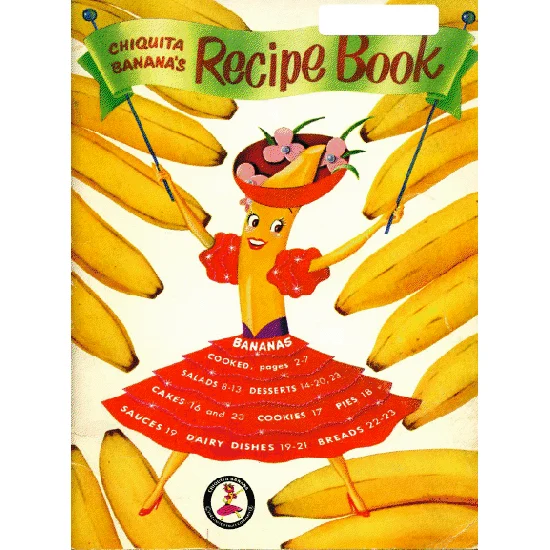
Over the past year, the iconic M&M’s candy characters have found themselves at the epicenter of a surprising cultural debate, generating widespread discussion across news outlets, social media platforms, and even prime-time Super Bowl commercials. What began as a seemingly innocuous marketing refresh by parent company Mars Wrigley evolved into a contentious "culture war," highlighting deeply entrenched societal views on gender, representation, and the role of corporate branding in social discourse.
A Chronology of Controversy: From Subtle Shifts to Spokescandy Suspension
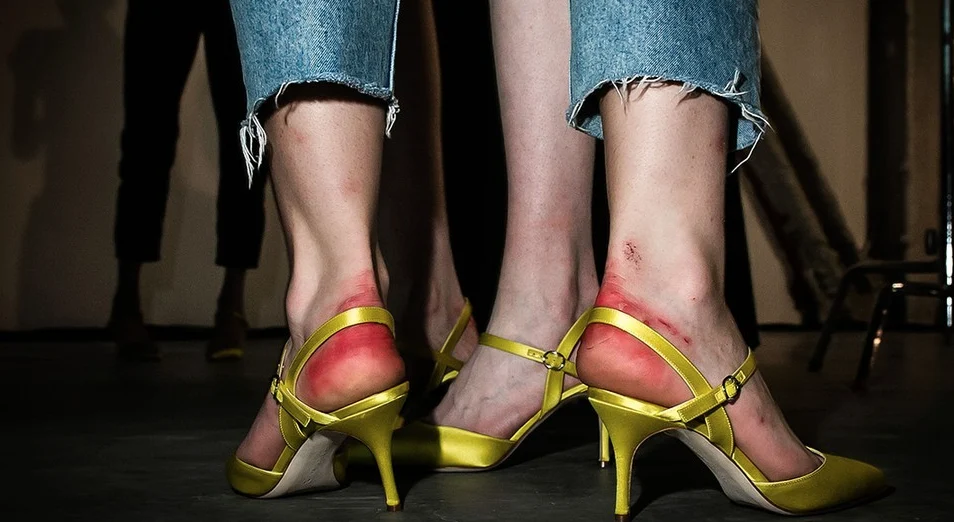
The saga commenced in January 2022 when Mars Wrigley announced a global brand refresh aimed at creating a more inclusive and representative world through its beloved mascots. The most notable changes involved the female M&M’s characters: the brown M&M’s heels were subtly shortened, and the green M&M, traditionally portrayed in go-go boots, saw her footwear replaced with more practical sneakers. Mars Wrigley stated these modifications were part of an effort to emphasize the characters’ personalities rather than their physical attributes, fostering a sense of belonging and community for a broader audience.
This initial adjustment, however, was met with an unexpectedly strong wave of public outcry, particularly from conservative commentators. Tucker Carlson, a prominent voice on Fox News, quickly became a leading figure in the backlash. He famously remarked, "M&M’s will not be satisfied until every last cartoon character is deeply unappealing and totally androgynous," framing the brand’s inclusivity efforts as an assault on traditional gender aesthetics. The criticism was not confined to conservative media; EJ Dickson, a senior writer for Rolling Stone, penned an article titled "Let the Green M&M Be a Nasty Little Slut," arguing that the character had "spent decades building her brand as a horny, sexy bitch, and for what? For her creators to give her Larry David footwear in the name of feminism?" These diverse reactions underscored the deeply divided public perception of the changes, revealing a complex interplay of nostalgia, perceived political correctness, and entrenched gender expectations.
The narrative further evolved in September 2022 with the introduction of the purple M&M, the brand’s first new female character in a decade. Designed to embody self-acceptance and authenticity, the purple M&M was met with renewed scrutiny and criticism, particularly regarding her body type and implied sexual orientation. Carlson reignited the "M&M’s culture war," commenting on Fox News, "The green M&M got her boots back, but apparently is now a lesbian maybe? And now there’s a plus-sized, obese purple M&M." These remarks, though presented with a tone of derision, highlighted the intensity with which certain segments of the public reacted to any deviation from established character designs and perceived gender norms.
The persistent and escalating criticism culminated in Mars Wrigley’s announcement in January 2023 of a "temporary pause" on their iconic spokescandies. Citing the desire to avoid further polarization and to "prove that candy can unite us," the company announced that actress Maya Rudolph would temporarily serve as the brand’s spokesperson. This strategic pivot, while intended to de-escalate the controversy, further emphasized the unexpected commercial and cultural impact of the mascot redesigns.
Mars Wrigley’s Stated Intentions and the Broader Context of Inclusive Marketing
Mars Wrigley’s rationale for the brand refresh was articulated as a commitment to reflecting a more "dynamic and progressive world." In an official statement, the company emphasized its goal to create "a world where everyone feels they belong" and that the characters’ updated looks were part of this broader mission. This aligns with a growing trend among global brands to engage in purpose-driven marketing, where social responsibility and inclusivity are integrated into brand messaging. A 2022 study by Accenture, for instance, found that 62% of consumers want companies to stand for something, indicating a demand for brands to align with their values. However, the M&M’s controversy illustrates the delicate balance brands must strike, as such initiatives can also provoke backlash from segments of the audience resistant to perceived societal shifts.
The decision to modify the M&M’s characters’ appearances also reflects a broader industry movement towards challenging traditional gender stereotypes in advertising. For decades, many brands, particularly those targeting a broad consumer base, have relied on conventional, often sexualized, portrayals of women. Mars Wrigley’s move, therefore, can be viewed as an attempt to modernize its brand image and appeal to a younger, more diverse demographic that increasingly values authenticity and inclusivity over outdated gender representations.
Historical Context: The Pervasiveness of Sexualization in Advertising
The M&M’s controversy is not an isolated incident but rather a modern manifestation of a long-standing pattern of sexualizing female characters in advertising. One of the earliest and most prominent examples is the Chiquita Banana. Debuting in the 1940s as the world’s first branded fruit, Miss Chiquita Banana was initially portrayed as a racialized and highly sexualized figure. Her flirtatious winking, eye-rolling, frilly dresses, and prominent lipstick were all designed to appeal to the American market, reinforcing a hyper-feminine, almost caricatured, image. This historical precedent demonstrates how commercial products, even seemingly innocuous ones, have leveraged sexualized femininity for decades to capture consumer attention.
The M&M’s brand itself has a history of employing similar strategies. The green M&M, in particular, has long been characterized by her seductive persona, frequently appearing in commercials with overtly sexualized gestures, such as pole dancing, stripping, or suggestively interacting with chocolate. These portrayals often feature the male M&M characters "ogling" her in the background, a clear example of the "male gaze" in advertising. The male gaze, a concept deeply rooted in feminist film theory, describes the way women are often depicted in visual media from a masculine, heterosexual point of view, presenting them as passive objects of male sexual desire. This pervasive phenomenon in advertising contributes to the objectification of women, reducing their identity primarily to their physical attractiveness and availability to men.
Sociological Underpinnings: Emphasized Femininity and the Male Gaze
The intense reactions to the M&M’s character redesigns, particularly from figures like Tucker Carlson, can be understood through the sociological concept of "emphasized femininity." This term refers to a set of traditional feminine norms and behaviors that are socially encouraged because they accommodate men’s sexual desires and desire for control. Emphasized femininity reinforces existing gender hierarchies and can perpetuate various forms of oppression by promoting submissiveness, nurturing, and an emphasis on physical attractiveness in women as virtues.
When the female M&M’s characters deviated from these "stereotypical cultural notions" of emphasized femininity – by wearing sneakers instead of boots, or by being introduced with a body type that challenged conventional beauty standards – they inadvertently challenged the comfort zone of those who subscribe to ideals of hegemonic masculinity. Hegemonic masculinity, a dominant form of masculinity in a given society, often relies on the subordination of women and the devaluation of feminine traits. For individuals aligned with these ideals, the de-sexualization or non-conformity of the M&M’s characters was perceived as a threat, leading to anger that their "sexual desires were not being satisfied," even by fictional candy mascots.
This outrage reveals a broader societal issue: women often face the prospect of being labeled "socially undesirable" or criticized when they exhibit characteristics that diverge from traditional femininity. Carlson’s provocative statement, "When you’re totally turned off, we’ve achieved equity," encapsulates the sentiment that female autonomy, particularly in challenging male sexual expectations, is seen as a negative outcome. In a patriarchal society, a woman’s defiance or authority can be met with resistance unless her behavior can be stigmatized or re-feminized. When a woman steps outside the bounds of the "good girl" archetype, she risks being labeled a "bitch," a "lesbian," or a "slut," irrespective of her actual identity or actions. This phenomenon underscores the enduring societal pressure for women to remain subservient to the male gaze and to conform to expectations that prioritize male comfort and desire.
Impact on Youth and Media Representation
The hypersexualization of women in media, even in seemingly innocuous contexts like candy mascots, carries significant detrimental effects, particularly for young people. Adolescents are constantly exposed to a sexualized media environment that can lead them to internalize the idea that women are primarily sex objects. When young girls and women repeatedly see their bodies objectified and their value tied to their physical appearance, they begin to internalize these messages. This can foster a deep-seated awareness that they are perceived as "sexual playthings waiting to please men’s sexual desires," potentially leading to feelings of unworthiness if they do not meet society’s often unattainable beauty and sexual standards.
A meta-analysis of studies on media sexualization, for instance, has consistently shown a correlation between exposure to sexualized media and negative outcomes in adolescents, including body dissatisfaction, self-objectification, and increased risk of eating disorders or depression. The public outrage over an M&M’s character’s shoe change, therefore, sends a powerful and potentially damaging message to children: that even fictional female characters must conform to specific aesthetic and sexualized standards to be acceptable or valued.
The "culture war" waged against M&M’s, while seemingly ludicrous on the surface, has real-world implications. It underscores the power of words and public discourse in shaping perceptions of gender roles and expectations. The continuous cycle of sexualizing women, whether in advertising or popular culture, for profit or for entertainment, needs to be critically examined and ultimately brought to an end. Prominent public figures, particularly, bear a responsibility to recognize that using the oppression or objectification of others as a punchline contributes to a harmful environment, rather than fostering genuine dialogue or progress.
Navigating Brand Identity in a Polarized Landscape
The M&M’s controversy serves as a cautionary tale and a case study for brands navigating an increasingly polarized social landscape. While Mars Wrigley’s intentions were to modernize its brand image and align with contemporary values of inclusivity, the intensity of the backlash revealed the deep cultural divisions that exist. Brands are now faced with the complex challenge of staying relevant and appealing to diverse audiences while potentially alienating others.
The appointment of Maya Rudolph as an interim spokesperson can be seen as a strategic move to temporarily depoliticize the brand, leveraging a universally liked celebrity to bridge divides. However, the underlying issues of gender representation, the male gaze, and emphasized femininity in media remain potent forces in public discourse. As consumers increasingly demand that brands reflect their values, companies will continue to grapple with how to authentically and effectively engage with social issues without becoming embroiled in divisive cultural battles. The M&M’s saga is a vivid illustration of how a seemingly simple marketing decision can inadvertently tap into deeply held societal beliefs and spark a widespread debate far beyond the candy aisle.