Nila Kartika Wati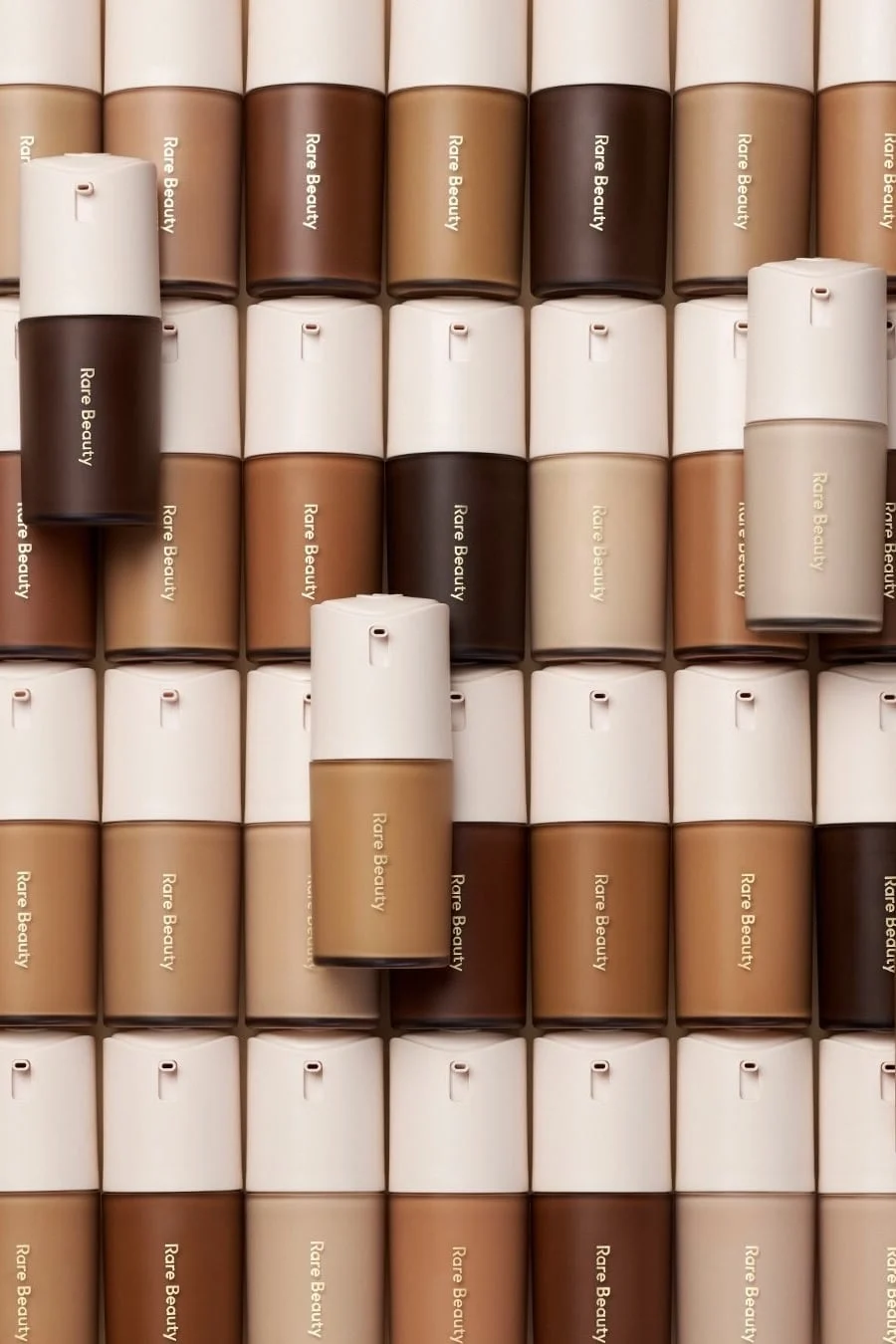
The beauty industry is witnessing a significant shift in product development, with a surge of foundations, blushes, and eyeshadows embracing matte and velvety finishes. While brands are diligently stocking their shelves with these new formulations, the challenge now lies in recapturing consumer excitement and demonstrating the enduring appeal of these more sophisticated textures. This pivot represents a strategic response to evolving consumer preferences, a desire for long-wear performance, and a potential recalibration of what constitutes "modern" beauty.
A Shifting Aesthetic: From Dewy to Diffused
For several seasons, the "dewy" aesthetic dominated the makeup landscape. Characterized by a luminous, often wet-look finish, it celebrated a youthful, radiant complexion. However, this trend appears to be plateauing, giving way to a more refined and understated approach. The appeal of matte and velvety finishes lies in their ability to create a smooth, blurred effect, minimizing the appearance of pores and imperfections without resorting to heavy coverage. This sophisticated matte offers a contemporary alternative to the often-dramatic matte finishes of the past, which could sometimes appear flat or cakey.
This evolution is not merely stylistic; it is also driven by a demand for longevity. Consumers, increasingly engaged in long days and active lifestyles, are seeking makeup that can withstand the rigors of daily wear without requiring constant touch-ups. Matte formulations, by their nature, tend to be more resistant to transfer and oil breakthrough, offering a more durable canvas for the entire day.
Rare Beauty Leads the Charge with New Foundation Release
One prominent example of this trend is Rare Beauty’s recent launch of its second foundation offering, a self-setting matte formula available in an extensive 48 shades. This strategic move by the Selena Gomez-backed brand underscores the growing emphasis on inclusive shade ranges, a critical factor in the success of any complexion product. The foundation’s "self-setting" claim suggests an innovative formulation that aims to provide a secure, long-wearing finish without the need for extensive powdering, a common pain point for those seeking matte looks.
The brand’s Instagram, a key platform for product reveals and engagement, showcased the foundation’s velvety texture and its ability to create a smooth, diffused finish. This visual marketing aligns with the broader industry trend, positioning Rare Beauty at the forefront of this emerging preference. The availability of 48 shades is particularly noteworthy, reflecting a commitment to catering to a diverse consumer base and addressing the historical shortcomings of many brands in this regard.
Data Insights: The Growing Market for Matte
While comprehensive, up-to-the-minute market data specifically isolating "matte" finishes within the broader foundation category can be proprietary, industry trend reports and sales analyses offer compelling insights. Leading market research firms have indicated a sustained interest in long-wear and transfer-resistant makeup, categories where matte finishes typically excel. Furthermore, the rise of social media platforms like TikTok and Instagram has amplified the visibility of "no-makeup makeup" looks and sophisticated matte finishes, influencing consumer purchasing decisions.
For instance, analyses of beauty sales in recent quarters have shown a steady performance in the foundation category, with brands that prioritize innovation in texture and longevity often experiencing greater success. The demand for inclusive shade ranges, as exemplified by Rare Beauty’s extensive offering, has also become a non-negotiable for consumers, with brands failing to meet this expectation facing significant backlash and lost market share. The "clean beauty" movement, which often emphasizes natural-looking finishes, also indirectly supports the move towards more sophisticated matte textures that can mimic a naturally smooth complexion.
The Challenge of Consumer Engagement: Beyond the Texture
Despite the inherent benefits of matte and velvety finishes, brands face the crucial task of generating genuine consumer excitement. The initial wave of matte products in the beauty market, particularly in the late 2000s and early 2010s, sometimes resulted in overly dry or flat appearances, leading to a perception of matte as less desirable than its dewy counterpart. Therefore, the current generation of matte products needs to differentiate itself by offering a more refined, comfortable, and sophisticated experience.
To overcome this potential hurdle, brands are employing several strategies:
- Innovative Formulations: The focus is on creating matte finishes that are not only long-wearing but also breathable and hydrating. Ingredients that offer a soft-focus effect and prevent dryness are key.
- Emphasis on Skin Benefits: Brands are increasingly highlighting the skincare benefits embedded within their complexion products, positioning matte foundations not just as makeup but as beneficial for skin health.
- Sophisticated Marketing: Visuals are crucial. Campaigns are showcasing models with naturally perfected complexions, emphasizing the "real skin" look that a well-executed matte finish can achieve. This contrasts with earlier eras where matte was often associated with a heavily sculpted, almost airbrushed appearance.
- Expert Endorsements: Makeup artists and beauty influencers play a vital role in demonstrating the versatility and flattering nature of these new matte formulations, providing tutorials and reviews that highlight their ease of use and superior finish.
Broader Industry Implications and Future Outlook
The shift towards matte and velvety finishes has several implications for the broader beauty industry:
- Product Development Focus: Expect continued investment in research and development for advanced matte formulations, including primers, setting sprays, and powders that complement these finishes.
- Ingredient Innovation: The demand for comfortable, long-wearing matte textures will drive innovation in ingredient technology, with a focus on silicones, powders, and film-formers that provide a smooth, matte appearance without compromising comfort.
- Retailer Strategy: Retailers will likely prioritize shelf space for brands that are successfully navigating this trend, focusing on comprehensive shade ranges and innovative formulations.
- Consumer Education: Brands will need to invest in educating consumers about the nuances of modern matte makeup, dispelling any lingering negative perceptions from previous iterations of the trend. This includes highlighting techniques for application and how to achieve a radiant, yet matte, complexion.
The beauty industry is in a constant state of flux, driven by consumer desires, technological advancements, and cultural shifts. The current embrace of matte and velvety finishes is a testament to this dynamism. While the allure of dewy skin may not disappear entirely, the strategic pivot towards more sophisticated, enduring textures signals a maturing beauty market that values performance, refinement, and inclusivity. The success of brands like Rare Beauty in this evolving landscape will hinge on their ability to not only deliver on the promise of a flawless matte finish but also to re-educate and re-engage consumers with the modern iteration of this timeless aesthetic. The long-term impact will be a more nuanced understanding of complexion perfection, where a soft, diffused matte finish is recognized for its elegance and its ability to empower a diverse range of individuals.