Reynand Wu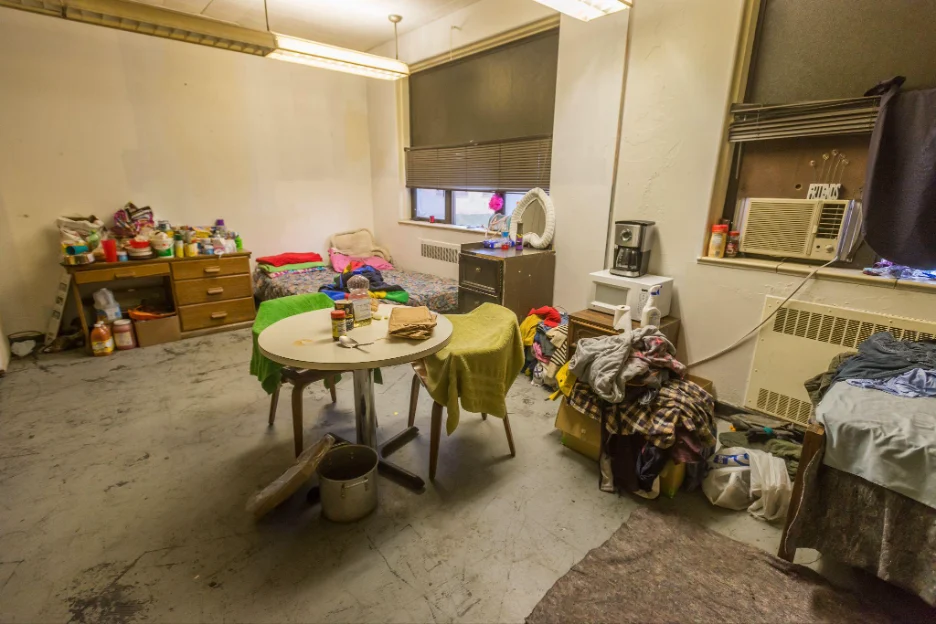
Migrant labor is the indispensable, constant backbone of U.S. agriculture, yet the individuals performing this vital work often remain socially and spatially hidden. This invisibility is not accidental; it is a systemic outcome of how agricultural labor is structured, particularly regarding worker housing. Employers frequently site these accommodations in remote locations—tucked behind dense groves, far from main roads, or on private land secured by locked gates. These sites are designed to be difficult to access by outsiders, but critically, they are also challenging for residents to leave, creating an isolated and controlled environment.
The Hidden Reality: Spatial Invisibility and Control
The spatial isolation of migrant housing is a critical, often overlooked, dimension of the challenges faced by farmworkers. As observed by paralegals working with immigration law firms, such as one in Metro Detroit, countless migrant workers recount living in dormitories built far from any town center. Their daily lives consist of grueling shifts, often six or seven days a week, in fields or orchards, enduring extreme heat, only to return to shared living spaces that offer little to no privacy, comfort, or dignity. Descriptions frequently paint a picture of overcrowded dorms with shared beds, cramped quarters, communal bathrooms that lack adequate sanitation, and often bare, insufficient kitchen facilities.
This intentional segregation of housing serves multiple purposes. Firstly, it keeps the labor force out of sight, minimizing public awareness and potential scrutiny of their living and working conditions. Secondly, it creates a formidable barrier to accessing external resources, whether it be medical care, legal aid, or simply social interaction beyond the farm. The physical distance and lack of reliable transportation often mean workers are entirely dependent on their employers for basic necessities, including rides to stores or medical appointments, further entrenching their vulnerability.
Firsthand Accounts and Systemic Issues
Visual evidence from various agricultural regions, including North Carolina and California, corroborates these firsthand accounts. Photographs often reveal rows of identical, austere cabins, each containing narrow beds, small windows, and barely enough space for a single individual, let alone a family. These images transcend mere documentation; they serve as stark evidence of a system meticulously designed to erase the humanity of the very people who sustain it. They illustrate the physical manifestations of a societal indifference that allows essential workers to live in conditions that would be deemed unacceptable for almost any other sector of the American workforce.
The historical context of migrant labor in the U.S. underscores the enduring nature of these challenges. Since the early 20th century, and particularly following the Dust Bowl and the Great Depression, which saw an influx of displaced agricultural workers, the need for transient labor has been a constant feature of American farming. Iconic images, such as Dorothea Lange’s 1936 photograph of a migrant agricultural worker’s family in Nipomo, California, depict temporary shelters that, while historically distinct, resonate with the contemporary themes of precarity and inadequate housing. The Bracero Program (1942-1964), which brought millions of Mexican farmworkers to the U.S., also saw the establishment of employer-controlled camps, setting precedents for housing standards and power dynamics that persist today. While regulations have evolved, the fundamental power imbalance between employer-provider and worker-resident remains a defining characteristic.
Regulatory Framework and Its Gaps
The provision of housing for migrant farmworkers is governed by a patchwork of federal and state regulations, primarily under the Migrant and Seasonal Agricultural Worker Protection Act (MSPA). The U.S. Department of Labor (DOL) sets health and safety standards for employer-provided housing, covering aspects like space per person, sanitation, fire safety, and water quality. However, the enforcement of these standards is a perennial challenge. Resources for inspections are often limited, and the remote nature of many housing sites makes proactive oversight difficult. Furthermore, the standards themselves are frequently criticized by advocacy groups as being minimums that barely ensure habitability, often falling short of providing a genuinely comfortable or dignified living environment.
For instance, federal regulations might mandate a certain number of square feet per occupant or a specific ratio of toilets and showers to residents. While these prevent the most egregious overcrowding, they do not necessarily guarantee privacy, comfort, or a sense of home. The "barely above prison cell" comparison, though hyperbolic, highlights a critical point: the standards prioritize basic shelter over human dignity and well-being. This regulatory environment, combined with the often-transient nature of farm work, creates a system where substandard housing can persist with limited accountability.
Economic Imperatives and Employer Perspectives
From the perspective of many agricultural employers, providing housing is a necessary component of securing a reliable workforce, especially for crops that require intensive labor during peak seasons. They argue that offering housing reduces the logistical burden on workers and ensures proximity to fields, thereby maximizing productivity. The costs associated with building, maintaining, and regulating housing can be substantial, and employers often operate on tight margins. They may point to the challenges of attracting and retaining labor, the seasonal nature of their operations, and the difficulty of finding affordable, compliant housing in rural areas.
However, critics argue that these economic arguments often overshadow the ethical responsibilities toward workers. While some employers strive to provide decent conditions, the systemic nature of the issue suggests that the current framework incentivizes compliance with minimums rather than investment in quality of life. The competitive nature of agriculture can also create pressure to minimize all costs, including those related to worker welfare, leading to a race to the bottom in terms of living conditions.
The Sociological Lens: Power, Space, and Control
Sociology offers a robust framework for understanding these conditions not merely as isolated instances of "bad housing" but as a deeply entrenched structural problem. Central to this understanding is conflict theory, which posits that societal development and change are driven by struggles over power and resources. In the context of migrant labor, this struggle is profoundly visible in the organization and control of housing.
Drawing on the work of Henri Lefebvre, who argued that space is socially produced, we can see how the very layout and design of migrant housing are not neutral. Space, in this view, is shaped by those who wield authority to determine how people live, often reflecting the interests of those in control rather than considerations of comfort, fairness, or functional efficiency for the residents. The shape of a room, the distance between houses, or the overall layout of a labor camp are not random; they are deliberate reflections of power relationships. By isolating workers, limiting their access to amenities, and designing shared, undignified spaces, employers reinforce their control over a dependent workforce.
Similarly, Michel Foucault’s analysis of how institutions use architecture to enforce discipline provides another critical lens. In migrant housing, space itself signals and enforces control, often without the need for overt bars or guards. The buildings are constructed to meet the minimum legal standards for shelter, a standard that, as noted, is often barely above what is permitted for a prison cell. This architecture is not merely functional; it is disciplinary. It dehumanizes, and in doing so, it controls. The lack of privacy, the communal nature of essential facilities, and the constant proximity to others in cramped conditions erode personal autonomy and foster a sense of being perpetually monitored.
A poignant example of this control mechanism is the inability of married couples to live together, even when both are employed on the same farm. Workers recount bunks so close that every breath of a neighbor is audible, and strict rules regarding visitors, meal times, and noise levels. These conditions foster an environment of fear, where speaking up against unfair practices or poor conditions carries immense risk. A complaint might not only cost a worker their job but also their bed, potentially leading to homelessness or even forcible deportation if their visa status is tied to their employment. The fewer choices a person has, the easier it is to control them, and this architectural and social arrangement is a powerful tool in limiting those choices.
Health, Safety, and Human Rights Implications
The implications of such housing conditions extend far beyond mere discomfort; they constitute significant health, safety, and human rights concerns. Overcrowding and inadequate sanitation facilitate the rapid spread of infectious diseases. Lack of privacy and dignity contributes to psychological stress, depression, and anxiety. The physical isolation can exacerbate existing health issues by limiting access to medical care and emergency services. Children living in these environments are often deprived of stable schooling and healthy developmental spaces.
From a human rights perspective, the conditions often border on exploitation. The Universal Declaration of Human Rights affirms the right to an adequate standard of living, including housing, and the right to privacy. When employer-provided housing systematically undermines these fundamental rights, it raises serious questions about the ethical responsibilities of agricultural businesses and the effectiveness of governmental oversight. The dependence created by controlling housing makes workers vulnerable to a range of abuses, from wage theft to unsafe working conditions, as their ability to leave or report grievances is severely constrained.
Advocacy and Calls for Reform
Numerous advocacy groups, legal aid organizations, and academic researchers are dedicated to bringing these issues to light and fighting for improved conditions. Organizations like the Farmworker Justice, the National Center for Farmworker Health, and various state-level farmworker unions and legal services continuously document abuses, provide legal assistance, and lobby for stronger protections and enforcement. They advocate for fair wages, safer working conditions, and dignified housing that respects workers’ autonomy and privacy.
Proposed reforms often include:
- Stricter Enforcement: Increased funding and personnel for DOL and state labor departments to conduct more frequent and thorough inspections.
- Higher Standards: Elevating minimum housing standards to ensure not just basic habitability but also dignity, privacy, and comfort.
- Independent Housing: Exploring models where housing is not directly tied to employment, reducing the employer’s leverage.
- Worker Empowerment: Providing resources and protections for workers to report violations without fear of retaliation.
- Transparency: Requiring public disclosure of housing conditions and violations.
Broader Societal Impact and Future Outlook
The conditions of migrant farmworker housing represent a profound contradiction in American society: a nation that prides itself on freedom and opportunity relies on a workforce living in conditions that severely restrict both. This is not simply a housing crisis; it is a fundamental labor strategy designed to maintain control over a vulnerable, essential workforce. These camps are not temporary accidents; they are often long-term, structurally embedded solutions to a problem that society, by and large, has been unwilling to confront.
As scholars and citizens, it is imperative to bring these designs and their implications into the public consciousness. We cannot genuinely address or change what remains unseen or misunderstood. Recognizing the sociological underpinnings of spatial control and power dynamics in migrant housing is the first step toward advocating for systemic reforms that prioritize the dignity, health, and human rights of those who feed the nation. The future of American agriculture, and indeed American values, depends on our willingness to acknowledge and rectify this invisible architecture of control.