Danny Garick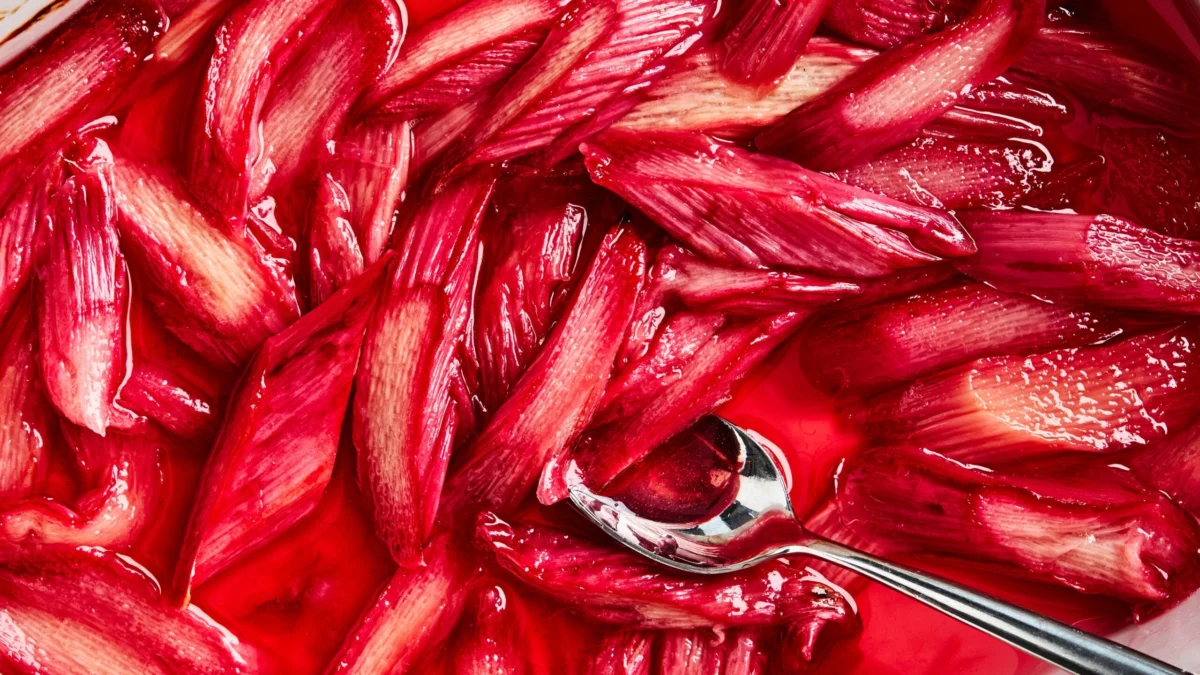
The arrival of the spring harvest has signaled a significant shift in the culinary application and market positioning of rhubarb, a perennial vegetable traditionally relegated to the narrow category of dessert fillings. Long known colloquially as the "pie plant," rhubarb is undergoing a modern renaissance as chefs, mixologists, and home cooks explore its versatility across savory and beverage sectors. This transition is supported by a growing consumer interest in tart, acidic flavor profiles and a renewed focus on seasonal, nutrient-dense produce. As the 2024 season progresses, agricultural data and market trends suggest that rhubarb is no longer a secondary crop but a high-value specialty item capable of anchoring diverse culinary programs.
Historical Context and the Botanical Origins of Rhubarb
Rhubarb, taxonomically known as Rheum rhabarbarum, possesses a history that spans millennia, originating in the cold climates of Siberia and the Himalayan mountains. Its initial utility was strictly medicinal; for over 2,000 years, the dried roots of the plant were used in traditional Chinese medicine for their purgative qualities. It was not until the 18th century, as sugar became more accessible and affordable in Europe, that the stalks of the plant were recognized for their culinary potential.
The plant’s journey from a medicinal root to a kitchen staple was accelerated by the development of "forced" rhubarb in the mid-19th century. In the "Yorkshire Rhubarb Triangle" of England, farmers discovered that by moving mature roots into darkened, heated sheds during the winter, they could stimulate rapid growth. This process produces stalks that are more tender, sweeter, and more vibrantly pink than their field-grown counterparts. This historical innovation laid the groundwork for the modern appreciation of rhubarb as a seasonal delicacy, a sentiment that remains central to the current market’s valuation of the crop.
The Agricultural Cycle and Production Data
The production of rhubarb is geographically concentrated in regions with temperate climates, as the plant requires a period of winter dormancy with temperatures below 40°F (4°C) to thrive. In the United States, the majority of commercial production occurs in Washington, Oregon, and Michigan. According to data from the United States Department of Agriculture (USDA), rhubarb remains a niche but stable specialty crop. While it does not command the massive acreage of corn or soy, its per-acre value is high due to its perennial nature and the premium prices it fetches in fresh markets.
The 2024 harvest has seen a notable consistency in yield, despite fluctuating weather patterns in the Pacific Northwest. Agricultural experts note that rhubarb is a resilient crop, though it is sensitive to extreme heat, which can cause the stalks to become woody and lose their characteristic juiciness. The "chill hours" required for a successful harvest are becoming a point of focus for climate scientists, as warming winters in traditional growing regions could potentially impact future yields. Currently, the market price for fresh rhubarb in retail environments ranges from $3.00 to $6.00 per pound, reflecting its status as a labor-intensive, hand-harvested product.
Diversification of Culinary Applications
While the traditional rhubarb pie remains a cultural touchstone, the 2024 season is defined by the diversification of the ingredient’s use. The culinary industry is increasingly treating rhubarb as a source of natural acidity, comparable to citrus or vinegar, which can balance rich, fatty, or sweet components in a dish.
Savory Integration and Raw Preparations
Modern gastronomy has embraced the use of raw rhubarb. When sliced thinly—often using a mandoline—the stalks provide a crisp texture and a sharp, tangy bite that enhances salads and seafood crudos. Chefs are increasingly pairing rhubarb with oily fish, such as mackerel or salmon, where its acidity cuts through the fat. Furthermore, the practice of pickling rhubarb in a light brine of champagne vinegar and aromatics has become a popular method for preserving the harvest while creating a versatile condiment for charcuterie boards and roasted meats.
Thermal Processing and Textural Transformations
Roasting has emerged as a preferred method for preparing rhubarb, as it allows the stalks to soften while maintaining their structural integrity. Unlike stovetop stewing, which often results in a fibrous puree, roasting with a light dusting of sugar or a drizzle of honey concentrates the flavor and creates a jammy consistency. This preparation is increasingly seen as a topping for high-quality dairy products, such as Greek yogurt, labneh, and artisan ice creams. It also serves as a sophisticated accompaniment to dense cakes, such as cream cheese pound cakes or almond-based tortes, where the tartness of the fruit offsets the richness of the crumb.
Rhubarb in the Beverage Industry and Mixology
The expansion of rhubarb into the beverage sector represents one of the most significant growth areas for the crop. The plant’s vibrant color and astringent profile make it an ideal base for syrups, shrubs, and infusions. In the 2024 cocktail circuit, rhubarb is being utilized as a seasonal alternative to lime or lemon.
Market analysis indicates a surge in "rhubarb bitters" and "rhubarb-infused gins," as consumers move toward more complex, less sugary drink options. Non-alcoholic beverages, particularly botanical sodas and sparkling waters, are also capitalizing on the rhubarb trend. The "shrub"—a vinegar-based fruit syrup—has seen a resurgence in popularity, with rhubarb and ginger being a particularly sought-after combination. This trend reflects a broader consumer shift toward "functional" and "botanical" flavors that offer a more sophisticated palate experience than traditional fruit juices.
Nutritional Profile and Consumer Health Trends
From a nutritional standpoint, rhubarb aligns with several contemporary health and wellness trends. It is a low-calorie vegetable, providing approximately 26 calories per cup of raw stalks. It is an excellent source of Vitamin K1, which is essential for bone health and blood clotting, and it contains significant amounts of Vitamin C and dietary fiber.
Moreover, the red stalks of rhubarb are rich in anthocyanins—powerful antioxidants that have been linked to anti-inflammatory and heart-health benefits. However, health professionals and culinary experts emphasize that only the stalks are edible; rhubarb leaves contain high concentrations of oxalic acid, which is toxic to humans and animals if ingested in large quantities. The clear communication of this fact remains a priority for retailers and agricultural extensions to ensure consumer safety.
Economic Implications and Market Forecast
The economic outlook for rhubarb remains positive, driven by the "farm-to-table" movement and the premium placed on seasonal ingredients. However, the industry faces challenges related to labor and logistics. Because rhubarb stalks must be harvested by hand to prevent damage to the crown of the plant, labor costs represent a significant portion of the total production expense.
Furthermore, the perishability of fresh rhubarb necessitates efficient cold-chain logistics. Once harvested, stalks begin to lose moisture and crispness rapidly. The industry has responded by improving packaging techniques, such as breathable plastic sleeves, and by promoting frozen rhubarb as a viable year-round alternative for baking and industrial food production. Market analysts predict a steady 3-5% annual growth in the specialty vegetable sector, with rhubarb expected to outperform this average as it gains more traction in the southern and midwestern United States.
Official Responses and Expert Perspectives
Agricultural departments and culinary institutions have expressed a renewed interest in promoting rhubarb as a sustainable and versatile crop. "We are seeing a shift in how consumers perceive seasonal produce," stated a representative from a leading agricultural extension. "There is a desire for ingredients that tell a story of time and place. Rhubarb, with its short window of peak freshness and its striking visual appeal, fits that narrative perfectly."
Leading chefs have echoed this sentiment, noting that the ingredient’s utility extends far beyond the dessert menu. "Rhubarb is essentially a ‘vegetable lemon,’" says a Michelin-starred executive chef. "It provides that essential high note of acidity that every balanced dish needs. Whether it’s a rhubarb-infused gastrique for a duck breast or a simple raw garnish for a scallop, the ingredient is indispensable in a modern kitchen."
Broader Impact and Implications for the Future
The transformation of rhubarb from a humble garden plant to a celebrated culinary asset reflects broader changes in the global food system. As palates become more globalized and adventurous, the demand for unique flavors like the sharp tartness of rhubarb is expected to rise. This trend encourages biodiversity in agriculture, as farmers are incentivized to grow a wider variety of crops rather than relying solely on monocultures.
In conclusion, the 2024 rhubarb season is characterized by a sophisticated understanding of the plant’s chemical and culinary properties. By moving beyond the pie tin and into salads, savory entrees, and craft cocktails, rhubarb has secured its place as a cornerstone of spring gastronomy. As long as consumers continue to value seasonality and complex flavor profiles, the "pie plant" will continue to evolve, proving that even the most traditional ingredients can find new life in a modern context. For those looking to participate in this seasonal trend, the advice remains consistent: select firm, crisp stalks, store them in a cool environment, and do not be afraid to experiment with the plant’s unique ability to bridge the gap between sweet and savory.