Ferry Irwandi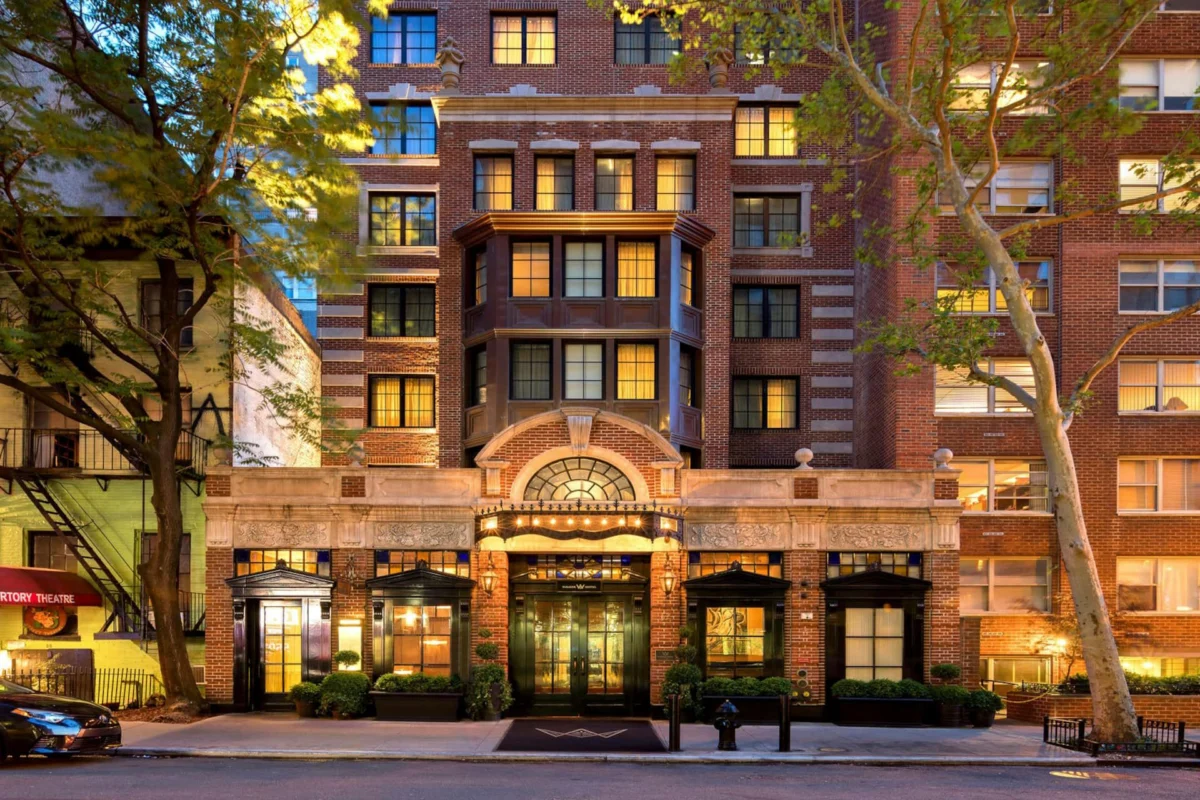
The landscape of urban travel is undergoing a significant transformation as Airbnb, the platform that once served as a global eponym for short-term residential rentals, pivots its business model to integrate traditional hospitality sectors. In major metropolitan areas like New York City, where regulatory environments have become increasingly hostile to independent home-sharing, Airbnb is aggressively promoting its "boutique hotel" category. This strategic shift allows the platform to maintain its market share in high-demand destinations while navigating the complexities of local housing laws. By offering a curated selection of independently owned hotels, Airbnb is attempting to bridge the gap between the personalized experience of a private home and the reliable infrastructure of a professional hotel, complete with new loyalty incentives such as a 10% credit for future bookings.
The Regulatory Catalyst: New York City’s Local Law 18
The primary driver behind Airbnb’s recent emphasis on hotel listings in New York City is the implementation of Local Law 18, also known as the Short-Term Rental Registration Act. This legislation, which went into full effect in September 2023, effectively ended the era of unregulated apartment rentals in the five boroughs. Under the law, all short-term rental hosts must register with the Mayor’s Office of Special Enforcement (OSE). The criteria for registration are exceptionally stringent: hosts must reside in the unit they are renting, they must be present during the guest’s stay, and no more than two guests are permitted at one time. Furthermore, the internal doors within the unit must remain unlocked, ensuring the stay remains a shared-living arrangement rather than a private apartment rental.
The impact on Airbnb’s inventory was immediate and profound. Prior to the law’s enforcement, New York City hosted approximately 38,000 short-term rental listings. Within months of the crackdown, the number of legal, registered short-term rentals plummeted to fewer than 5,000. For a company that relies on the density of its urban listings, this represented a critical threat to its revenue stream in one of the world’s most visited cities. Consequently, the platform has accelerated its integration of boutique hotels, which operate under different commercial zoning laws and are exempt from the residential rental restrictions.
A Chronology of Diversification: From Spare Rooms to Full-Service Hospitality
Airbnb’s foray into the hotel sector is not a sudden reaction but the culmination of a decade-long diversification strategy. Understanding this timeline is essential to grasping the platform’s current trajectory:
- 2008–2015: The Growth Phase. Airbnb focused almost exclusively on the "sharing economy" model, connecting travelers with hosts offering spare rooms or entire homes.
- 2016: The Launch of Experiences. Recognizing that travelers sought more than just a place to sleep, the company introduced "Airbnb Experiences," offering guided tours, workshops, and local activities led by experts.
- 2019: The Acquisition of HotelTonight. In a landmark move, Airbnb acquired HotelTonight, a platform specializing in last-minute boutique hotel bookings. This acquisition provided Airbnb with the technological infrastructure and industry relationships necessary to list professional hotel inventory.
- 2021–2022: The Post-Pandemic Pivot. As travel resumed, Airbnb introduced "Categories" to its search interface, allowing users to find unique stays like treehouses or design-centric homes. This was the precursor to the current "Hotel" filter.
- 2023: The New York City Crackdown. Following the enforcement of Local Law 18, Airbnb redesigned its search interface specifically for New York City users, placing a "Hotels" toggle at the top of the results page to steer travelers toward legal inventory.
Defining the "Airbnb Hotel" and the Boutique Ethos
Unlike traditional Online Travel Agencies (OTAs) such as Expedia or Booking.com, which list massive global chains, Airbnb has maintained a selective approach to its hotel inventory. To preserve its brand identity—centered on unique, "local" experiences—the platform focuses on boutique and independently owned properties. These are typically hotels that feature distinctive architecture, interior design, and a strong sense of place.
In New York City, this curated list includes properties like The Hoxton in Williamsburg and The William Vale. These establishments offer the amenities of traditional hospitality—such as 24-hour concierge services, professional housekeeping, and on-site dining—while retaining the aesthetic appeal that Airbnb users traditionally seek. By filtering for "Hotels" under the "Type of Place" category, guests can access properties that provide the safety and reliability of a commercial building without the "cookie-cutter" feel of a large-scale international chain.
Strategic Incentives and the 10% Credit Model
To compete with the established loyalty programs of major hotel conglomerates, such as Marriott Bonvoy or Hilton Honors, Airbnb has introduced a financial incentive for booking hotels through its platform. Guests who book selected hotel stays can receive up to 10% of the booking value back in the form of "Airbnb Credit." This credit is deposited into the user’s account after the stay is completed and can be applied toward any future transaction on the platform, including home rentals, experiences, or subsequent hotel stays.

This move is a direct attempt to build brand loyalty in a sector where Airbnb was previously a secondary player. Additionally, the platform has integrated "Airbnb Guest Discounts" on specific properties, often making the price point more competitive than direct bookings or other third-party sites. The integration also allows for a streamlined user experience; travelers can view past guest reviews, check accessibility features, and confirm pet policies within the familiar Airbnb interface, avoiding the need to navigate multiple external websites.
Supporting Data: The Economic Shift in New York City Tourism
The shift toward hotel listings on Airbnb reflects broader economic trends in the New York City hospitality market. According to data from STR, a provider of premium data benchmarking for the global hotel industry, hotel occupancy rates in New York City have remained robust despite—or perhaps because of—the restriction on short-term rentals. In early 2024, occupancy rates hovered around 80%, with Average Daily Rates (ADR) seeing a significant uptick as the supply of residential rentals dwindled.
Critics of the short-term rental industry argue that the "Airbnb effect" contributed to rising rents and a shortage of long-term housing for locals. A study by the Economic Policy Institute suggested that the costs of the short-term rental market to local renters outweighed the benefits to travelers. Conversely, Airbnb has argued that its platform provides essential income for middle-class hosts and offers affordable lodging in neighborhoods that lack traditional hotels. The pivot to boutique hotels serves as a middle ground: it supports local commercial businesses and maintains tourism revenue without infringing upon the city’s residential housing stock.
Global Implications: A Blueprint for the Future of Urban Travel
New York City is often seen as a bellwether for global urban policy, and its stance on Airbnb is being closely watched by other major cities. Paris, for instance, has implemented a 120-day annual limit on primary residence rentals, while Barcelona has announced plans to ban all short-term rentals by 2028 to combat a severe housing crisis. Berlin and Singapore have also enacted strict zoning laws that limit where and how short-term rentals can operate.
As these restrictions proliferate, the "Airbnb Hotel" model is likely to become a global standard. By diversifying into boutique hotels and "Airbnb Services"—which include the ability to book private chefs, massage therapists, or trainers directly to a rental—the company is evolving from a peer-to-peer rental site into a comprehensive travel and lifestyle platform. This evolution ensures that even if a city bans apartment sharing, Airbnb remains a necessary tool for the modern traveler.
Official Stances and Industry Reactions
The relationship between Airbnb and municipal governments remains complex. In public statements, Airbnb executives have emphasized their desire to work with cities to find "sensible" regulations that protect housing while supporting tourism. However, the company has also engaged in protracted legal battles to challenge the legality of strict registration requirements.
On the hospitality side, the American Hotel and Lodging Association (AHLA) has generally supported the crackdown on unregulated short-term rentals, citing the need for a "level playing field" regarding taxes, safety codes, and labor standards. The inclusion of boutique hotels on Airbnb’s platform, however, presents a new dynamic. For independent hotel owners, Airbnb offers a powerful marketing channel that reaches a younger, design-conscious demographic that might otherwise avoid traditional hotel booking engines.
Conclusion: The Blurring Lines of Modern Hospitality
The emergence of hotels as a primary category on Airbnb marks a significant milestone in the maturation of the travel industry. The lines between a "home stay" and a "hotel stay" are blurring as platforms adapt to the realities of urban regulation and consumer demand. For the traveler, this shift offers the best of both worlds: the reliability and legality of a professional hotel combined with the curated, aesthetic-driven experience that defined the original Airbnb mission. As New York City continues to enforce its strict housing mandates, the success of this boutique hotel strategy will likely determine Airbnb’s long-term viability in the world’s most regulated markets. Through loyalty credits, integrated services, and a focus on independent properties, Airbnb is proving that while the "home-sharing" model may be under fire, its influence on how we experience cities is more pervasive than ever.