Layla Zulfa
The global bedding market, currently valued at over $100 billion, has undergone a significant transformation as consumer preferences shift toward sustainable, high-performance natural fibers. Among these, linen has emerged as a premier choice, moving from a niche luxury item to a mainstream staple of modern interior design. Derived from the resilient flax plant, linen is celebrated for its exceptional breathability, moisture-wicking properties, and a relaxed aesthetic that complements styles ranging from Scandinavian minimalism to vibrant maximalism. While historically associated with coastal summer homes, recent advancements in textile manufacturing and garment-washing techniques have repositioned linen as a year-round bedding solution capable of regulating body temperature in both sweltering heat and winter chill.
The Technical Foundations of High-Quality Linen
To understand the current market leaders, it is essential to examine the technical specifications that define premium linen. Unlike cotton, which is graded by thread count, linen quality is measured by weight, specifically Grams per Square Meter (GSM). A GSM between 150 and 200 is generally considered the "sweet spot" for all-season use, offering a balance of durability and lightness. Fabrics exceeding 200 GSM are classified as heavyweight, providing a substantial, cozy feel ideal for colder climates, while those below 150 GSM cater to "hot sleepers" who require maximum airflow.
Furthermore, the geographical origin of the flax plays a critical role. European flax, particularly that grown in the "flax belt" of France, Belgium, and the Netherlands, is widely regarded as the gold standard. The unique combination of temperate climate and nutrient-rich soil in this region produces long-staple fibers that are significantly stronger and softer than those grown elsewhere. Most top-tier brands now seek Oeko-Tex Standard 100 certification, ensuring that the finished textiles are free from harmful chemicals and safe for sensitive skin.
Market Analysis: The Top-Performing Linen Collections of 2025
The current landscape of linen bedding is characterized by a diverse array of price points and design philosophies. Industry experts have identified several key brands that define the current standards of excellence in the category.
Piglet in Bed: The Benchmark for Versatility and Heritage
UK-based Piglet in Bed has secured its position as a market leader through its "Heritage Mix & Match Linen Bundle." Priced at approximately $642 for a comprehensive set, this collection is noted for its substantial weight and durability. Reviewers and textile editors highlight that the material’s integrity remains uncompromised even after extensive laundering, with no evidence of pilling or fraying. The brand’s success is partially attributed to its wide range of patterns, including botanical ginghams and florals, which have become central to the "cottagecore" design movement.
Brooklinen: Engineering Breathability for the Modern Sleeper
Brooklinen, a prominent player in the direct-to-consumer (DTC) bedding space, introduced a significant "revamp" of its linen collection in early 2025. The new Washed Linen Core Sheet Set, retailing for approximately $322, focuses on an immediate "broken-in" feel. By utilizing a lower GSM, Brooklinen has engineered a set that offers superior airflow, making it a primary recommendation for individuals prone to night sweats. However, market data suggests that deeper hues in this collection, such as the "Abyss" colorway, may experience slight fading over time, a common characteristic of naturally dyed linen.
Quince: Disrupting the Luxury Pricing Model
Quince has utilized a transparent supply chain model to offer 100% European flax sheets at a price point below $200 for a queen set. This positioning has made high-quality linen accessible to a broader demographic. While these sheets may lack the initial heirloom-level softness of more expensive competitors, their midweight construction and vast color palette—including trendy shades like "butter yellow" and "Bordeaux"—make them a high-value option for consumers entering the linen market.
Artisanal Craftsmanship and Heavyweight Alternatives
As the market matures, a segment of consumers is gravitating toward artisanal, small-batch productions that prioritize unique textures and ethical manufacturing.
Linoto: Domestic Manufacturing and Heavyweight Comfort
Linoto stands out as a rare example of high-end linen handmade in upstate New York. Utilizing premium Italian and Belgian flax, Linoto offers a heavyweight option reaching up to 210 GSM. This makes the Malbec Linen Sheet Set particularly effective for winter use. The brand’s commitment to non-toxic detergents and pre-washing ensures that the sheets are ready for use immediately upon delivery. Industry analysts note that Linoto’s ability to provide custom sizes and deep-pocket options gives it a competitive edge in the luxury bespoke market.
Erica Tanov: The Intersection of Fine Art and Bedding
For consumers seeking a "statement piece" for the bedroom, the Erica Tanov Cypress Washed Linen Sheet Set represents the pinnacle of decorative linen. Priced at $798, these sheets feature intricate embroidery inspired by traditional Palestinian motifs, such as the "Tree of Life." Designed in collaboration with artisans in Jaipur, India, the collection emphasizes the "slow decor" philosophy, where bedding is viewed as a functional work of art.
The Evolution of Consumer Preferences: A Chronology
The rise of linen can be traced through a decade of shifting lifestyle trends:
- 2012–2015: The rise of minimalist "Scandi-style" interiors creates a demand for neutral, textured fabrics. DTC brands begin to challenge traditional department store dominance.
- 2016–2019: "Sleep Hygiene" becomes a wellness priority. Consumers start researching fiber breathability and moisture regulation, leading to a surge in linen sales.
- 2020–2022: The global pandemic shifts focus toward "home sanctuary" nesting. Demand for high-quality, long-lasting materials increases as people spend more time in their living spaces.
- 2023–2025: Sustainability becomes a non-negotiable factor. The low water consumption and biodegradable nature of flax make linen the preferred choice for eco-conscious shoppers.
Supporting Data: Why Linen Outperforms Synthetic Alternatives
Data from textile research institutes highlights the functional superiority of linen over synthetic blends. Linen fibers can absorb up to 20% of their weight in moisture before feeling damp to the touch, a feat polyester and low-grade cotton cannot match. Furthermore, the molecular structure of flax fibers allows for high heat conductivity; in summer, linen helps dissipate heat from the body, while in winter, the same fibers help retain a thin layer of warm air near the skin.
Longevity also factors into the total cost of ownership. While a standard cotton set may last three to five years before thinning, a high-quality 100% linen set can last for decades, often becoming softer and more supple with age. This "heirloom" quality aligns with the growing "buy less, buy better" economic trend.
Official Responses and Industry Outlook
Representatives from leading textile brands emphasize that the future of the industry lies in transparency and certification. "Consumers are no longer satisfied with just the word ‘linen’ on a label," states a sourcing expert for a major bedding firm. "They want to know if it’s European Flax certified, if it’s Oeko-Tex safe, and what the GSM is. We are seeing a move toward total disclosure."
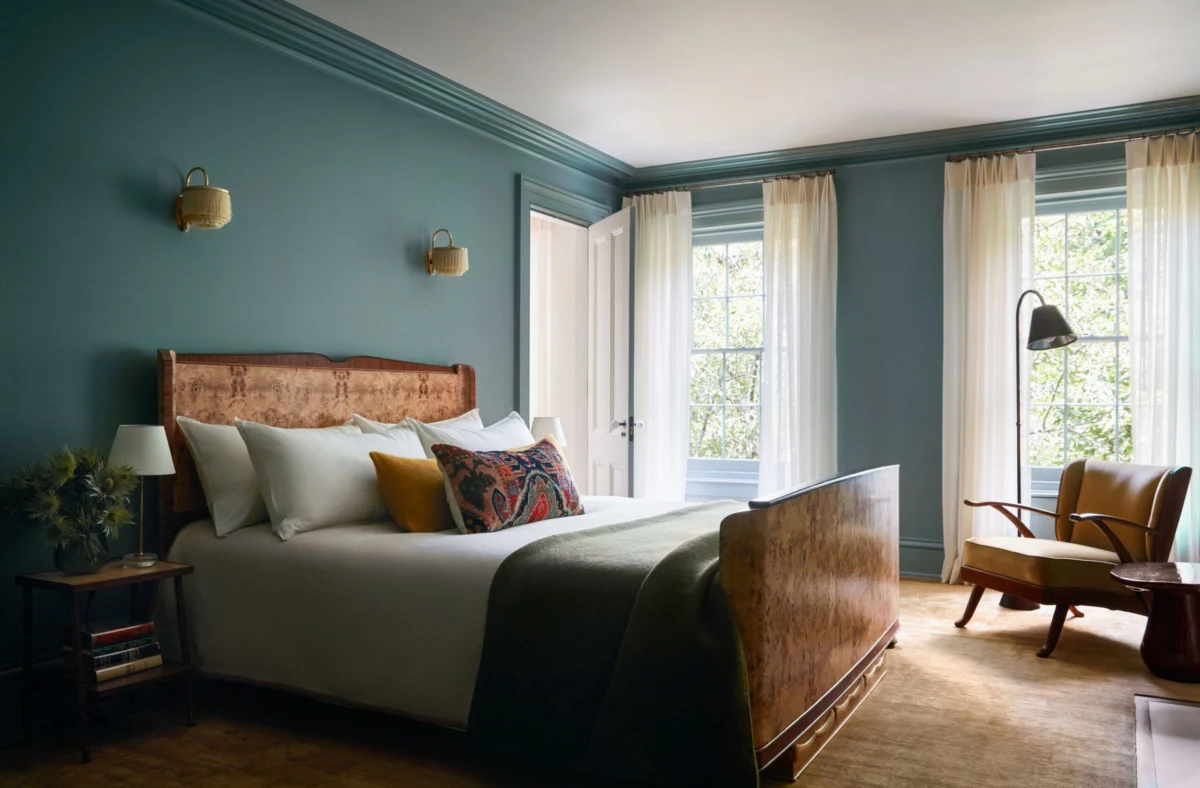
Designers also note that the aesthetic flexibility of linen is driving its continued growth. Whether used in a crisp, hotel-inspired setting—as seen with the Boll & Branch or Lulu and Georgia collections—or in a lived-in, wrinkled look, linen accommodates the evolving "quiet luxury" trend that prioritizes comfort and natural textures over flashy branding.
Broader Impact and Environmental Implications
The environmental impact of the bedding industry is substantial, and the pivot toward linen offers a potential path for reduction. Flax is a remarkably hardy plant that requires no irrigation and very little chemical intervention compared to cotton. In many regions of Europe, the cultivation of flax even acts as a carbon sink.
As the global community faces rising temperatures, the demand for cooling, sustainable textiles is expected to grow. Linen’s role as a "performance natural fiber" positions it as a vital component of the future home. By investing in high-quality linen, consumers are not only enhancing their personal sleep quality but are also participating in a broader shift toward a more sustainable and durable global textile economy.
In conclusion, the current selection of linen sheets—from the affordable offerings of Quince to the artisanal mastery of Linoto and Erica Tanov—reflects a market that has finally aligned luxury with utility. As editors and experts continue to test these products in real-world conditions, the consensus remains clear: linen is no longer a seasonal luxury, but a foundational element of the modern, well-designed home.