Ferry Irwandi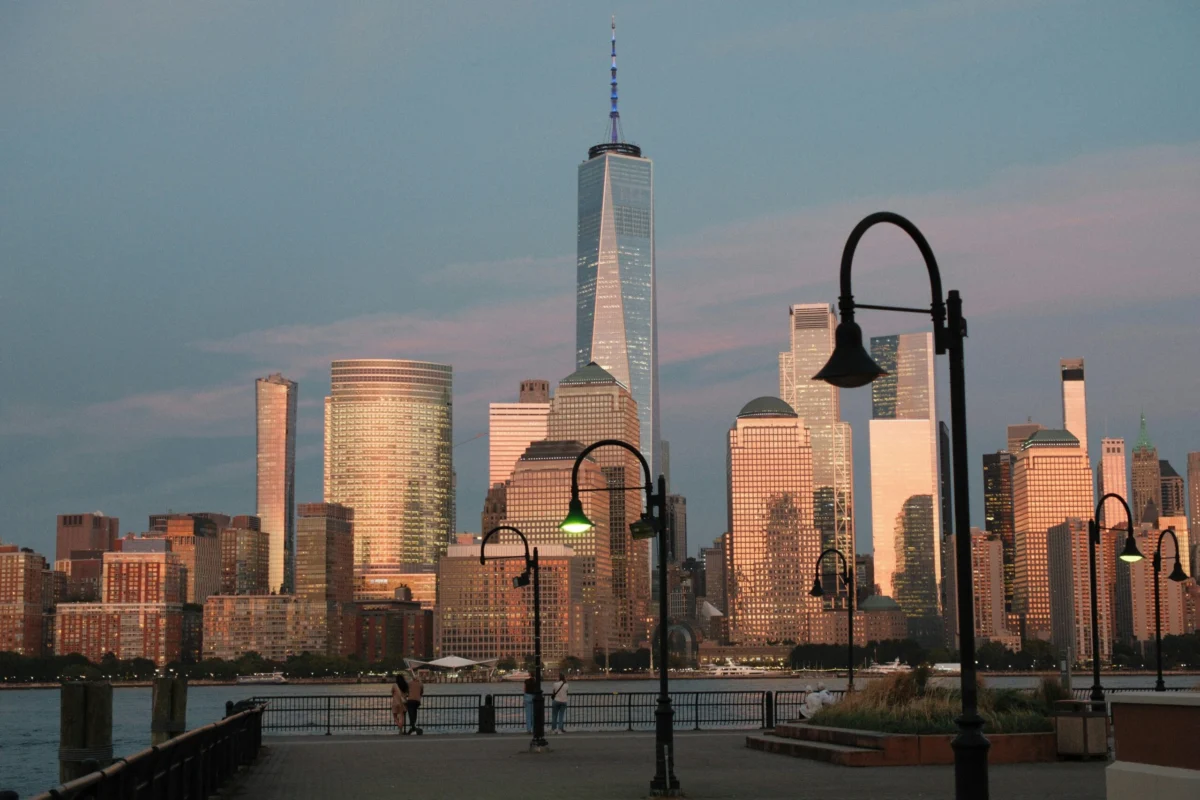
Lower Manhattan’s Financial District, historically recognized as the global epicenter of commerce and trade, has undergone a profound structural and cultural transformation over the past decade. Once characterized by a rigid "9-to-5" professional cadence that left its streets largely desolate after the closing bell of the New York Stock Exchange, the neighborhood—colloquially known as FiDi—has successfully transitioned into a multifaceted residential and tourism hub. This evolution is driven by a surge in high-end residential conversions, a diversified culinary landscape, and a concerted effort by urban planners to leverage the area’s deep historical roots alongside modern architectural marvels. Current data from the Downtown Alliance indicates that the residential population of Lower Manhattan has nearly tripled since 2001, reaching approximately 64,000 residents, signaling a permanent shift from a monocultural business district to a vibrant, 24-hour community.
The Morning Economy: Culinary Staples and Iconic Statuary
The daily rhythm of the Financial District begins with a fusion of local residential needs and high-volume tourism. For many residents and commuters, the morning ritual centers on the quintessential New York City breakfast: the bagel. Establishments like Liberty Bagels have become anchors in the local economy, catering to both the traditional preferences of long-term New Yorkers and the aesthetic demands of modern travelers. The popularity of items such as the "Egg Everything" bagel or the classic Bacon, Egg, and Cheese (BEC) reflects a broader trend in the neighborhood’s hospitality sector: providing authentic local experiences within walking distance of global landmarks.

The proximity of these local eateries to the Charging Bull statue at Bowling Green highlights the unique spatial dynamics of FiDi. The bronze sculpture, created by Arturo Di Modica and installed as a piece of "guerrilla art" following the 1987 stock market crash, remains one of the most visited sites in the city. However, the relocation of the Fearless Girl statue to a position facing the New York Stock Exchange (NYSE) on Broad Street has altered the flow of foot traffic. This move, intended to alleviate congestion and enhance public safety, has created a secondary tourism node that allows visitors to appreciate the neoclassical architecture of the NYSE and the nearby Trinity Church. Trinity Church, an Episcopalian parish established in 1697, serves as a stark architectural contrast to the surrounding glass high-rises, its Gothic Revival spire remaining a symbol of the area’s colonial and post-revolutionary history.
The Seaport District: A Model for Historic Preservation and Economic Growth
To the east, the Seaport district represents a significant success story in public-private redevelopment. Once a bustling maritime center known as the "Street of Ships," the area suffered significant decline in the late 20th century, exacerbated by the catastrophic impact of Hurricane Sandy in 2012. Today, the Seaport has been reimagined as a premier destination for dining, retail, and maritime history. The Howard Hughes Corporation’s multi-billion-dollar investment in Pier 17 and the surrounding cobblestone streets has introduced a sophisticated mix of boutique shopping and high-concept culinary venues.
Key cultural assets, such as the South Street Seaport Museum and the 1908 Lightship Ambrose, provide essential context for the neighborhood’s development. The museum’s efforts to preserve the 19th-century Schermerhorn Row buildings ensure that the district’s aesthetic integrity remains intact. Meanwhile, the Fulton Stall Market serves as a modern iteration of the historic Fulton Fish Market, offering regional produce and handmade goods that support a sustainable local economy. This blend of historic preservation and commercial modernization has made the Seaport a preferred enclave for both locals and international visitors seeking a reprieve from the dense skyscrapers of the central district.

Waterfront Revitalization and the Residential Expansion
The western edge of the district, bordering the Hudson River, illustrates the expansion of "green space" in a neighborhood historically defined by concrete. While technically part of the planned community of Battery Park City, the waterfront esplanade and parks such as Rockefeller Park are functionally integrated into the daily lives of FiDi residents. The culinary scene here, led by landmarks like P.J. Clarke’s on the Hudson, capitalizes on the scenic views of the Jersey City skyline. P.J. Clarke’s, an extension of the legendary 19th-century Third Avenue saloon, brings a sense of "Old New York" to the modern waterfront, serving as a social hub for the area’s growing demographic of young professionals and families.
Adjacent to this, Brookfield Place offers a luxury retail experience that mirrors the global stature of the Financial District. The complex serves as more than just a shopping center; it is a critical piece of infrastructure that connects the waterfront to the transportation hubs of the World Trade Center. The presence of high-end designers and curated food halls like Le District reflects the neighborhood’s high purchasing power and its status as a premier residential destination.
The World Trade Center Complex: Architecture and Remembrance
At the heart of FiDi’s modern identity is the World Trade Center site, a location that embodies both the tragedy of the past and the resilience of the future. The Oculus, designed by Spanish architect Santiago Calatrava, serves as a centerpiece of this renewal. The structure, intended to resemble a bird in flight, functions as a major transportation terminal and a high-end retail mall. Despite its significant construction costs—estimated at nearly $4 billion—the Oculus has become an architectural icon and a vital connector for the PATH train and various New York City subway lines.

Directly adjacent to the Oculus is the 9/11 Memorial and Museum. The two reflecting pools, situated in the footprints of the original Twin Towers, provide a solemn space for reflection amidst the surrounding urban bustle. The memorial remains a global site of pilgrimage, with millions of visitors annually paying their respects to the victims of the 1993 and 2001 attacks. Rising above the site is One World Trade Center, the tallest building in the Western Hemisphere. At a symbolic 1,776 feet, the tower’s observatory offers panoramic views that emphasize the district’s geographic importance at the confluence of the Hudson and East Rivers.
The Gilded Age Revival: Hospitality in Historic Spaces
The late afternoon and evening economy in Lower Manhattan is increasingly defined by the adaptive reuse of historic buildings. The Bar Room at the Beekman Hotel is a primary example of this trend. Housed in the Temple Court building, which dates back to 1881, the hotel features a stunning nine-story Victorian atrium. The preservation of its dark wood finishes and period-specific eclectic style provides a "Gilded Age" atmosphere that attracts a sophisticated evening crowd. This type of development demonstrates how the district’s architectural heritage can be leveraged to support a high-end hospitality industry that operates independently of the traditional financial sector.
Similarly, Fraunces Tavern on Pearl Street stands as a testament to the neighborhood’s revolutionary history. As New York City’s oldest surviving building, it served as a meeting place for the Sons of Liberty and was the site where George Washington bid farewell to his officers in 1783. Today, it functions as both a museum and a working tavern, offering a menu that references colonial traditions. The tavern’s ability to remain relevant for over 250 years highlights the enduring appeal of historically grounded social spaces in an increasingly digital world.

The Nightlife Shift: From "Ghost Town" to Social Destination
The final phase of FiDi’s daily cycle occurs in its bars and social clubs, which have defied the neighborhood’s "ghost town" reputation. The Dead Rabbit, an Irish pub that has frequently been ranked among the best bars in the world, exemplifies the high standard of mixology now present in Lower Manhattan. By combining a sawdust-floor taproom aesthetic with a world-class cocktail program, the establishment bridges the gap between casual social house and elite destination.
Furthermore, Stone Street—one of the city’s oldest streets—functions as a dedicated pedestrian zone filled with outdoor seating and diverse bars. The success of Stone Street as a nightlife hub is the result of specific zoning and community planning efforts designed to foster a sense of European-style street life. This concentration of activity has created a self-sustaining evening economy that benefits from both the local residential base and the influx of tourists.
Broader Impact and Future Implications
The transformation of the Financial District from a single-use business zone to a diverse, mixed-use neighborhood offers a blueprint for other global cities facing similar urban challenges. The "Live-Work-Play" model adopted by Lower Manhattan has proven resilient, particularly in the post-pandemic era where traditional office occupancy has fluctuated. By prioritizing residential conversions, preserving historical landmarks, and investing in high-quality public spaces and transportation, the district has insulated itself against the volatility of the commercial real estate market.

Analysis of Lower Manhattan’s trajectory suggests that the neighborhood will continue to attract investment in the tech and creative sectors, further diversifying its economic base away from a pure reliance on finance. As the district continues to evolve, the balance between its role as a global financial engine and its identity as a historic, livable neighborhood will remain the key to its long-term success. The current state of FiDi is a clear indication that Lower Manhattan is no longer just a place where the world does business; it is a place where the world comes to experience the layers of history, culture, and innovation that define New York City.